
Pico Bolívar: Conquering Venezuela's Highest Peak
Standing tall at over 4,978 meters above sea level, Pico Bolívar is not just Venezuela's highest mountain; it's a symbol of national pride and an ultimate challenge for intrepid adventurers. This multi-day expedition into the heart of the Venezuelan Andes promises breathtaking landscapes, unique ecosystems, and an unforgettable sense of accomplishment.
The Majesty of the Venezuelan Andes
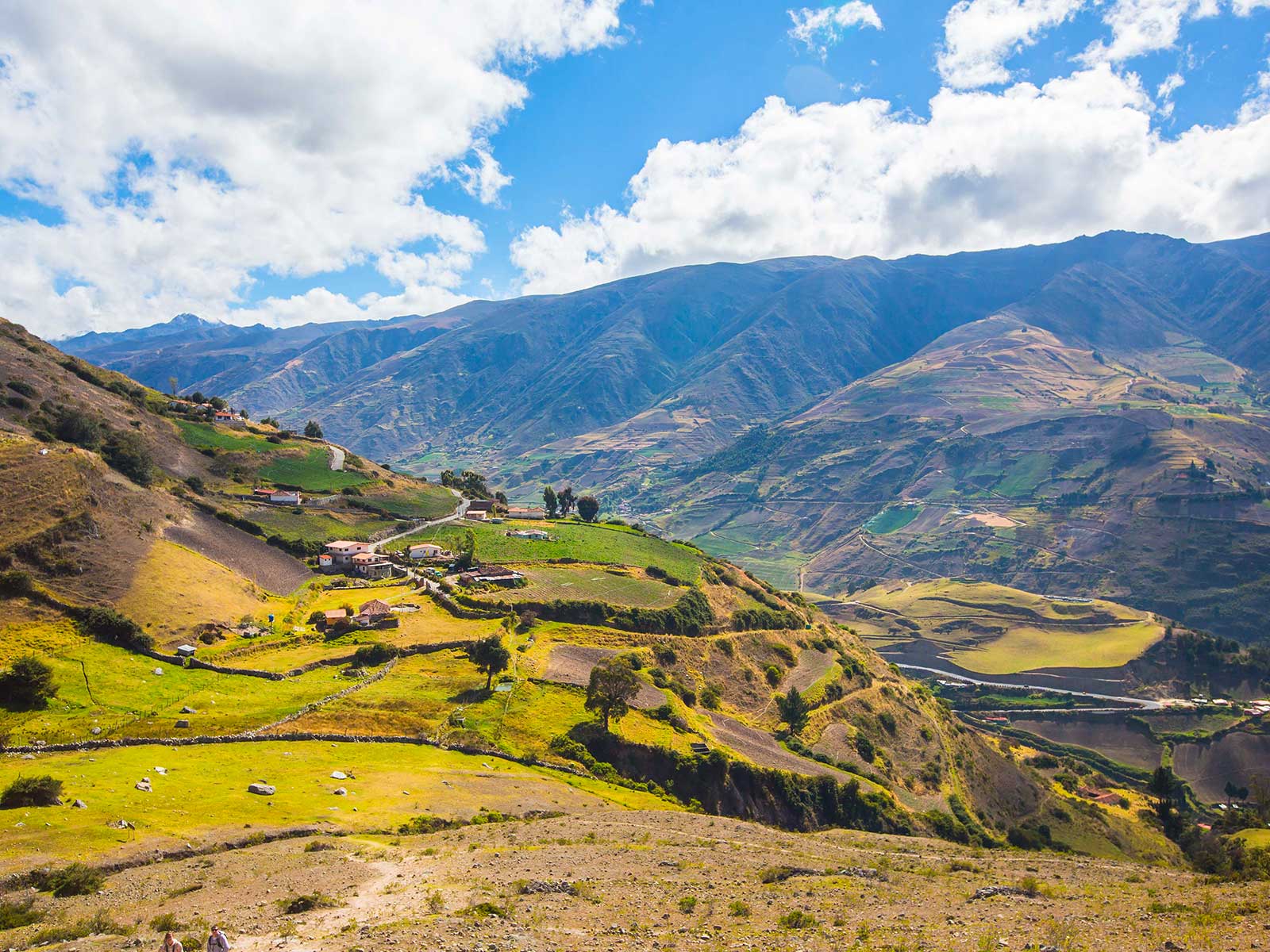
The Andes mountain range, a colossal spine running through South America, finds its northeasternmost expression in Venezuela. Here, towering peaks, deep valleys, and unique high-altitude ecosystems known aspáramosdefine the landscape. The city of Mérida serves as the primary gateway to this majestic region, a vibrant hub nestled in a valley, offering a perfect base for acclimatization and preparing for mountain adventures. The Venezuelan Andes are a world away from the country's Caribbean coastline or the vast plains of the Orinoco Delta, offering a completely different perspective on Venezuela's diverse geography.
What Makes Pico Bolívar Unique?
Pico Bolívar, part of the Sierra Nevada de Mérida, is a distinctive peak for several reasons. Its impressive altitude makes it the highest point in the country, offering unparalleled panoramic views. Historically, it was home to several small glaciers, though these have significantly receded due to climate change, making the remaining ice patches a poignant reminder of natural changes. At its summit stands a bronze bust of Simón Bolívar, the liberator, a testament to the mountain's namesake and its cultural significance. The journey to Pico Bolívar offers a stark contrast to other Venezuelan natural wonders like Angel Falls or the vibrant marine life of Los Roques, demanding physical endurance and a deep respect for the high-altitude environment.
Preparing for the Ascent: Essential Planning
Conquering Pico Bolívar is not a casual day hike; it's a serious mountaineering expedition requiring careful preparation and respect for the mountain's demands.
Physical Fitness and Acclimatization
A high level of physical fitness is paramount. Trekkers should engage in regular cardiovascular exercise and strength training for several months prior to the trip. More importantly, proper acclimatization is critical to prevent altitude sickness. Spending at least 2-3 days in Mérida(around 1,600m) is highly recommended before starting the ascent. This allows your body to gradually adjust to the reduced oxygen levels, significantly increasing your chances of a safe and successful summit.
Choosing Your Guide and Expedition Type
Ascending Pico Bolívar without an experienced, certified mountain guide is strongly discouraged and often prohibited. Reputable local guiding companies in Mérida specialize in these expeditions. They provide essential logistical support, safety equipment, and invaluable knowledge of the terrain and weather conditions. Expeditions typically span 4 to 6 days, involving multiple camps at increasing altitudes to aid acclimatization.
Tip:Always verify your guide's credentials and ensure the expedition operator adheres to international safety standards. Ask about their emergency protocols and communication methods on the mountain.
Packing Essentials
The weather in the high Andes can change rapidly, from sunny skies to snow and freezing temperatures in a matter of hours. Layering is key. Your packing list should include:
- Technical Clothing:Thermal base layers, fleece mid-layers, waterproof and windproof outer shell jacket and pants.
- Footwear:Sturdy, waterproof hiking boots that are well broken-in, along with several pairs of wool or synthetic socks.
- Headwear:Warm hat, sun hat, and sunglasses (essential for glacier travel).
- Gloves:Warm, waterproof gloves.
- Sleeping Gear:Four-season sleeping bag and an insulated sleeping pad.
- Backpack:A comfortable multi-day trekking backpack (60-80 liters).
- Navigation & Safety:Headlamp with extra batteries, first-aid kit, personal medications.
- Hydration & Nutrition:Water bottles/hydration reservoir, water purification tablets/filter, high-energy snacks.
- Miscellaneous:Trekking poles, sunscreen, lip balm with SPF, camera, small towel.
The Journey to the Summit: A Multi-Day Adventure
The expedition to Pico Bolívar is a true wilderness experience, far removed from the bustling beaches of Isla de Margarita or the urban landscape of the National Pantheon in Caracas.
Starting Point and Route Overview
Most expeditions begin with a drive from Mérida to a trailhead such as La Mucuy, from where the trek commences. The routes typically involve ascending through dense cloud forests, transitioning into the open, rugged landscapes of thepáramo, characterized by unique flora like thefrailejones. As you gain altitude, the terrain becomes more challenging, featuring rocky paths, moraines, and occasional snowfields, leading to high-altitude camps.
Challenges Along the Way
Trekkers will face several challenges. The high altitude significantly impacts physical exertion, making even simple tasks feel arduous. The weather is notoriously unpredictable, with sudden drops in temperature, strong winds, and precipitation common. Technical sections may involve scrambling over rocks and, depending on conditions, using ropes or crampons for short icy stretches. Mental fortitude is as important as physical strength to overcome these obstacles.
Reaching the Summit
The summit push usually begins in the early hours of the morning, often before dawn, to take advantage of more stable weather conditions and to witness a spectacular sunrise from the top of Venezuela. The final ascent can be steep and demanding, but the reward is immense. From the summit of Pico Bolívar, the views are simply unparalleled, stretching across the vast expanse of the Andes. You'll stand beside the statue of Simón Bolívar, looking down upon a sea of clouds and distant peaks, a moment of profound achievement that makes every challenging step worthwhile. The receding glaciers serve as a stark reminder of the fragile beauty of this high-altitude environment.
Beyond Pico Bolívar: Exploring the Venezuelan Andes
While Pico Bolívar is the ultimate goal for many, the Mérida region offers a wealth of other adventures. Explore the charming towns, visit traditional Andean farms, or hike to other stunning peaks and lagoons. The Sierra Nevada National Park, which encompasses Pico Bolívar, is a biodiversity hotspot. For those seeking other epic Venezuelan treks,Mount Roraima offers a completely different, ancient, and mystical challenge in the Gran Sabana.
Important Considerations for Travelers
Safety and Permits
Always prioritize safety. Ensure your travel insurance covers high-altitude trekking and potential rescue operations. Respect local regulations, which often require permits for trekking in national parks. Your chosen guide service will typically handle these on your behalf.
Best Time to Visit
The dry season, generally from November to April, offers the most stable weather conditions for trekking, though afternoon showers are still possible. Even during the dry season, be prepared for cold temperatures, especially at night and at higher altitudes.
Respecting the Environment
Adhere to "Leave No Trace" principles. Pack out everything you pack in, stay on designated trails, and minimize your impact on the delicate Andean ecosystem. The beauty of places like Pico Bolívar relies on the collective efforts of visitors to preserve them.
Conquering Pico Bolívar is more than just reaching a summit; it's an immersive journey into the raw beauty and challenging spirit of Venezuela's highest peak. It's an adventure that tests your limits, rewards your perseverance, and leaves you with memories that will last a lifetime.