
Orinoco Delta Expeditions: Wildlife, Indigenous Culture & Adventure
Embark on an unforgettable journey into the heart of Venezuela's untamed wilderness – the Orinoco Delta. This vast, intricate network of waterways offers a unique blend of incredible biodiversity, deep cultural immersion with indigenous communities, and thrilling adventure.
Discovering the Orinoco Delta: Venezuela's Untamed Heart
The Orinoco Delta, where the mighty Orinoco River meets the Atlantic Ocean, is one of the world's largest river deltas, a sprawling labyrinth of caños (channels), islands, and lush rainforest. Covering an area of approximately 40,000 square kilometers, it is a truly wild frontier, home to an astonishing array of flora and fauna, and the ancestral lands of the Warao people.
This unique ecosystem is a testament to the power of nature, constantly shaped by the river's flow and the ocean's tides. Traveling through the delta feels like stepping into another world, where the rhythm of life is dictated by the water and the jungle's pulse.
Did You Know?The Orinoco River is the third-largest river in the world by discharge volume, after the Amazon and Congo rivers, pouring a tremendous amount of freshwater into the Atlantic.
Wildlife Encounters: A Symphony of Biodiversity
The Orinoco Delta is a paradise for nature lovers and wildlife enthusiasts. Its diverse habitats, from mangrove forests to freshwater swamps and dense rainforests, support an incredible variety of species, many of which are endemic to the region.
Riverine Riches: Aquatic and Avian Life
Cruising the caños, you're likely to encounter a vibrant spectacle of birdlife. Keep your eyes peeled for colorful macaws, toucans, kingfishers, herons, egrets, and the striking scarlet ibis. The delta is also a vital nesting ground for various migratory birds. Below the surface, the waters teem with life, including piranhas, catfish, and the elusive river dolphin.
Jungle Giants: Mammals and Reptiles
On land, the delta's forests are home to howler monkeys, capuchin monkeys, sloths, and even jaguars, though these apex predators are notoriously shy and difficult to spot. Reptiles are abundant, with anacondas, caimans, and various lizard species being common sights, especially basking along the riverbanks. The sounds of the jungle, from the calls of monkeys to the chirping of insects, create an unforgettable natural soundtrack.
Immersive Indigenous Culture: The Warao People
One of the most enriching aspects of an Orinoco Delta expedition is the opportunity to interact with the Warao people, the indigenous inhabitants of the delta. Their name, "Warao," translates to "people of the canoes," a testament to their deep connection with the waterways that define their way of life.
Living with the Warao: A Glimpse into Traditional Life
Many lodges in the delta work closely with Warao communities, offering guests the chance to visit their stilt-house villages (palafitos) built directly over the water. These visits provide a respectful insight into their traditional customs, fishing techniques, and the challenges and joys of their daily existence. You might learn about their language, their spiritual beliefs, and their sustainable practices that have allowed them to thrive in this unique environment for centuries.
Craftsmanship and Heritage
The Warao are renowned for their exquisite craftsmanship. They skillfully weave intricate baskets, mats, and hammocks from moriche palm fibers. They also carve beautiful wooden figures and make traditional dugout canoes (curiaras). Supporting these local artisans by purchasing their crafts directly contributes to the preservation of their culture and provides vital income for their communities.
Adventure Activities: Exploring the Waterways
An Orinoco Delta expedition is not just about observing; it's about actively engaging with the environment through a range of exhilarating activities.
Canoe Trips and River Safaris
The primary mode of exploration is by motorized canoe, venturing deep into the smaller caños where larger boats cannot reach. These river safaris offer unparalleled opportunities for wildlife spotting and photography. For a more intimate experience, try paddling a traditional dugout canoe with a Warao guide, silently gliding through the mangroves and experiencing the delta from a different perspective.
Fishing and Night Excursions
Test your angling skills by fishing for piranhas (catch and release is common, though some lodges might prepare your catch!). As night falls, the delta transforms. Night excursions offer a chance to spot nocturnal creatures, listen to the chorus of the jungle, and marvel at the clear, star-filled skies, often accompanied by the glowing eyes of caimans along the riverbanks.
Planning Your Orinoco Delta Expedition
To make the most of your adventure, consider these practical tips.
Best Time to Visit
The delta can be visited year-round, but conditions vary. Thedry season(roughly December to May) offers lower water levels, concentrating wildlife around fewer water sources, making sightings potentially easier. Thewet season(June to November) brings higher water, allowing deeper penetration into the forest by canoe and a lush, vibrant landscape. Both seasons offer unique advantages.
Choosing an Expedition Lodge
Most delta expeditions are based out of rustic, eco-friendly lodges (often called "campamentos") built on stilts along the caños. These lodges typically offer all-inclusive packages that cover accommodation, meals, guided excursions, and transfers. Look for reputable operators with a strong commitment to sustainable tourism and ethical interactions with indigenous communities. Researching reviews and services offered is key.
What to Pack
- Lightweight, quick-drying clothing (long sleeves and pants for sun and insect protection)
- Swimsuit
- Sturdy walking shoes or sandals that can get wet
- Sunscreen, hat, and sunglasses
- Biodegradable insect repellent
- Rain gear or a poncho
- Small backpack for day trips
- Reusable water bottle
- Headlamp or flashlight
- Binoculars (essential for wildlife viewing)
- Camera with extra batteries and memory cards
- Basic first-aid kit
- Any personal medications
Getting There
Access to the Orinoco Delta typically involves flying into Maturín (Maturín International Airport - MUT) or Puerto Ordaz (Manuel Carlos Piar Guayana Airport - PZO), then taking a land transfer to a river port (usually near Tucupita), followed by a boat transfer to your chosen lodge. Lodge operators usually arrange these transfers as part of their package.
Respectful Tourism: Sustainable Practices
When visiting the Orinoco Delta, it's crucial to practice responsible tourism. Choose tour operators that employ local Warao guides, respect their culture, and contribute positively to their communities. Minimize your environmental impact by not littering, staying on designated paths, and observing wildlife from a respectful distance. Your visit can be a powerful force for conservation and cultural preservation if approached thoughtfully.
Beyond the Delta: Combining Your Venezuelan Adventure
While the Orinoco Delta offers a profound experience, Venezuela boasts a diversity of landscapes and attractions. Consider extending your trip to explore other incredible destinations:
- For awe-inspiring natural wonders, venture to the Gran Sabana and witness the majestic Angel Falls.
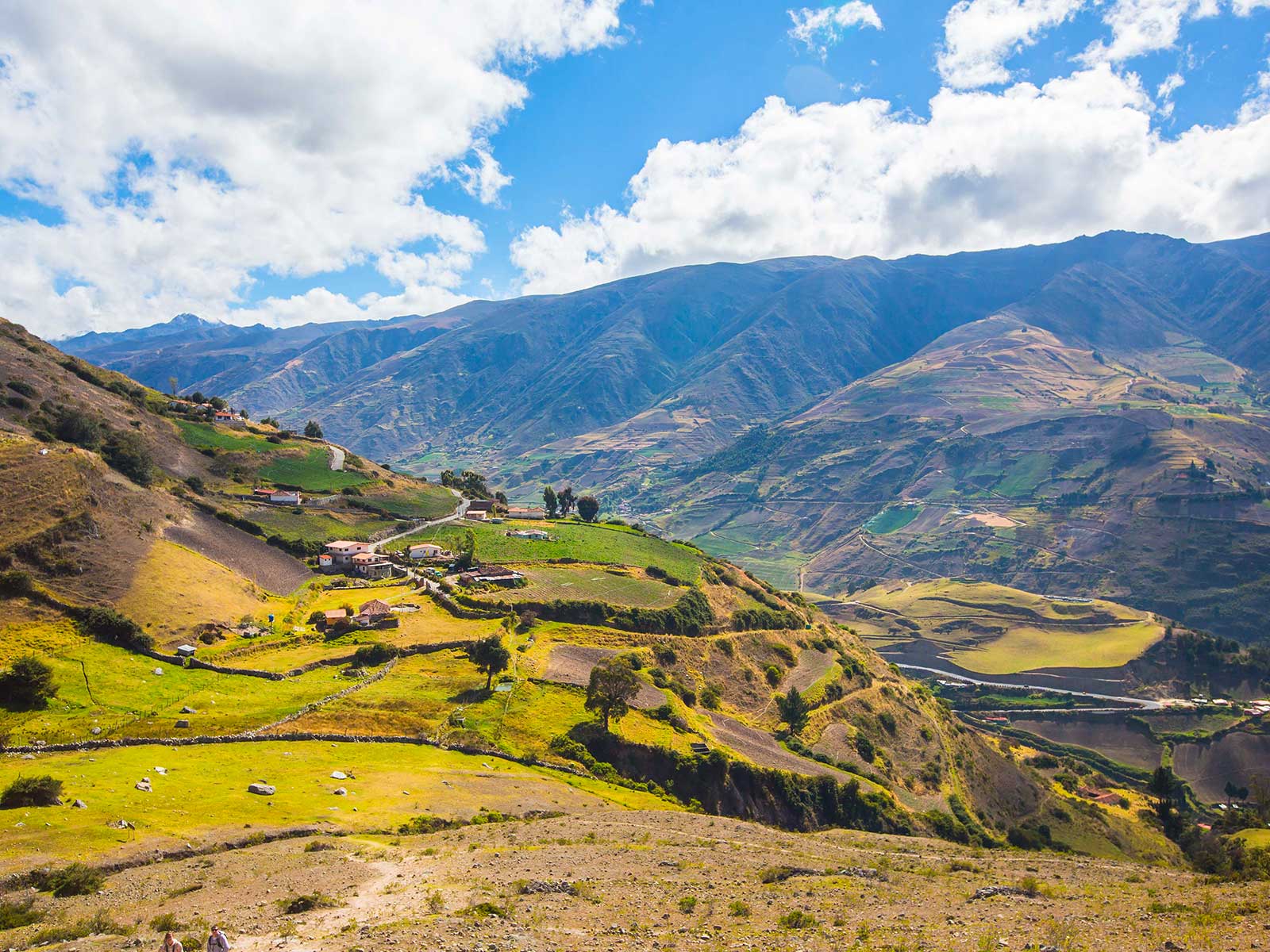
- If mountain adventures call, the peaks around Mérida offer stunning Andean scenery and thrilling activities.
- For pristine Caribbean beaches and world-class snorkeling, explore the archipelagos of Los Roques or the coastal beauty of Mochima National Park.
- Most international flights arrive in Caracas, offering a gateway to the country's vibrant urban life and historical sites.
An expedition to the Orinoco Delta is more than just a trip; it's an immersion into a vibrant, living ecosystem and a deep dive into an ancient culture. It promises adventure, discovery, and a profound connection to the wild heart of Venezuela.