
Must-Try Venezuelan Food: A Culinary Journey for Travelers
Embark on a delicious adventure through Venezuela's vibrant culinary landscape, a rich tapestry woven from indigenous traditions, Spanish influences, and African flavors. From bustling street stalls to family kitchens, Venezuelan food offers an unforgettable taste experience for every traveler.
Venezuelan cuisine is characterized by its bold flavors, fresh ingredients, and incredible diversity, reflecting the country's varied geography from Caribbean coastlines to Andean peaks and vast plains. Staples like corn, plantains, and various meats form the backbone of many dishes, creating hearty and comforting meals that tell a story of cultural fusion.
Main Dishes: The Heart of Venezuelan Cuisine
Arepas: The Iconic Corn Pocket
No culinary journey through Venezuela is complete without savoring an Arepa. These versatile, grilled, or fried cornmeal patties are the undisputed national dish. Crispy on the outside and soft on the inside, arepas are traditionally split open and stuffed with a myriad of fillings, making them perfect for any meal.
- Reina Pepiada:A creamy blend of shredded chicken, avocado, and mayonnaise, named after a Venezuelan beauty queen.
- Domino:Black beans and shredded white cheese – a classic vegetarian option.
- Pabellón:A mini version of the national dish, featuring shredded beef, black beans, and plantains.
- Perico:Scrambled eggs with onions and tomatoes, a popular breakfast choice.
Pabellón Criollo: The National Plate
Considered the national dish, Pabellón Criollo is a harmonious plate that perfectly encapsulates Venezuelan flavors. It typically consists of four key components:
- Carne Mechada:Flavorful shredded beef stewed in a rich sauce.
- Arroz Blanco:Fluffy white rice.
- Caraotas Negras:Hearty black beans.
- Tajadas:Sweet, ripe fried plantain slices, adding a delightful contrast.
Fun Fact:The colors of Pabellón Criollo (red, white, black, and yellow) are often said to subtly reflect the Venezuelan flag.
Hallacas: A Festive Tradition
Predominantly enjoyed during the Christmas season, Hallacas are an intricate and flavorful culinary masterpiece. Each one is a tamale-like dish made from a cornmeal dough, filled with a stew of beef, pork, chicken, olives, raisins, and capers. This mixture is then wrapped in plantain leaves, tied, and boiled. The preparation is often a family affair, a cherished tradition passed down through generations.
Empanadas: Golden Pockets of Flavor
These crescent-shaped, deep-fried cornmeal pastries are a beloved street food and snack. Venezuelan Empanadas come with an array of fillings, from savory options like shredded beef, chicken, or cheese, to more unique combinations such ascazón(shark meat), especially popular in coastal areas like Isla de Margarita.
Cachapas: Sweet Corn Pancakes
A delightful alternative to arepas, cachapas are thick, sweet corn pancakes, often served folded over a generous slice ofqueso de mano(a soft, fresh cheese) and sometimes accompanied bypernil(roast pork). Their sweet and savory profile makes them a popular choice for breakfast, brunch, or a light dinner.
Sancocho: The Soul-Warming Soup
Sancocho is a hearty, rich soup found throughout Latin America, with Venezuelan variations being particularly robust. It’s typically made with a variety of tubers (like yuca, ñame, and potato), corn on the cob, and a choice of meat – beef (sancocho de res), chicken (sancocho de gallina), or fish (sancocho de pescado), the latter being a staple in coastal regions and islands like Los Roques and Mochima National Park.
Pastel de Chucho: Coastal Delicacy
Unique to Venezuela's eastern and insular regions, Pastel de Chucho is a savory-sweet casserole made with layers of shredded stingray (chucho), sweet plantains, and white cheese. It's a comforting dish that perfectly blends the flavors of the Caribbean Sea with the sweetness of ripe plantains, often found in restaurants along the coast.
Snacks and Street Food: Quick Bites and Local Favorites
Tequeños: The Ultimate Party Snack
These irresistible fried cheese sticks, made from dough wrapped around a piece of white cheese, are a staple at Venezuelan gatherings and celebrations. Crispy on the outside, gooey on the inside, tequeños are addictive and a must-try snack.
Mandocas: Sweet Rings from Zulia
Hailing from the Zulia state, mandocas are unique sweet rings made from cornmeal, ripe plantain,papelón(unrefined cane sugar), and cheese, then deep-fried until golden. They are typically served with more cheese, making for a delightful sweet and savory treat.
Patacones: Plantain Sandwiches
Another specialty from Zulia, patacones are made from twice-fried green plantain slices, flattened and used as "buns" for a sandwich. They are usually filled with shredded meat (beef or chicken), lettuce, tomato, cheese, and various sauces, offering a substantial and flavorful street food experience.
Desserts and Drinks: Sweet Endings and Refreshing Sips
Quesillo: Venezuelan Flan
Similar to a crème caramel or flan, quesillo is a creamy, smooth dessert with a distinctive rich flavor, thanks to the addition of whole eggs and often condensed milk. It's usually topped with a delicate caramel sauce and is a popular way to end a meal.
Tres Leches: Three Milks Cake
While popular across Latin America, the Venezuelan version of Tres Leches cake is particularly rich and moist. This sponge cake is soaked in a blend of three types of milk – evaporated milk, condensed milk, and heavy cream – often topped with meringue or whipped cream.
Chicha: Rice-Based Refreshment
A creamy, sweet, and cooling beverage made from rice, milk, and sugar, often flavored with cinnamon. Chicha is a popular non-alcoholic drink, especially refreshing on a warm day.
Papelón con Limón: The Thirst Quencher
This simple yet incredibly refreshing drink is made frompapelón(unrefined cane sugar) dissolved in water and mixed with fresh lime juice. It's a perfect antidote to the tropical heat, often enjoyed after a hike in places like Henri Pittier National Park or exploring the vibrant streets of Caracas.
Venezuelan Coffee: Aromatic Brews
Venezuela boasts rich coffee-growing regions, particularly in the Andean states like Mérida. A cup of strong, aromatic Venezuelan coffee is an essential part of the daily routine and a delightful way to start your day or conclude a meal.
Regional Specialties: A Taste of Venezuela's Landscapes
Venezuela's diverse geography contributes to its varied cuisine:
- Coastal & Island Flavors:In areas like Isla de Margarita,Los Roques, and Mochima National Park, seafood reigns supreme. Expect fresh fish, shrimp, lobster, and the uniquePastel de Chucho.
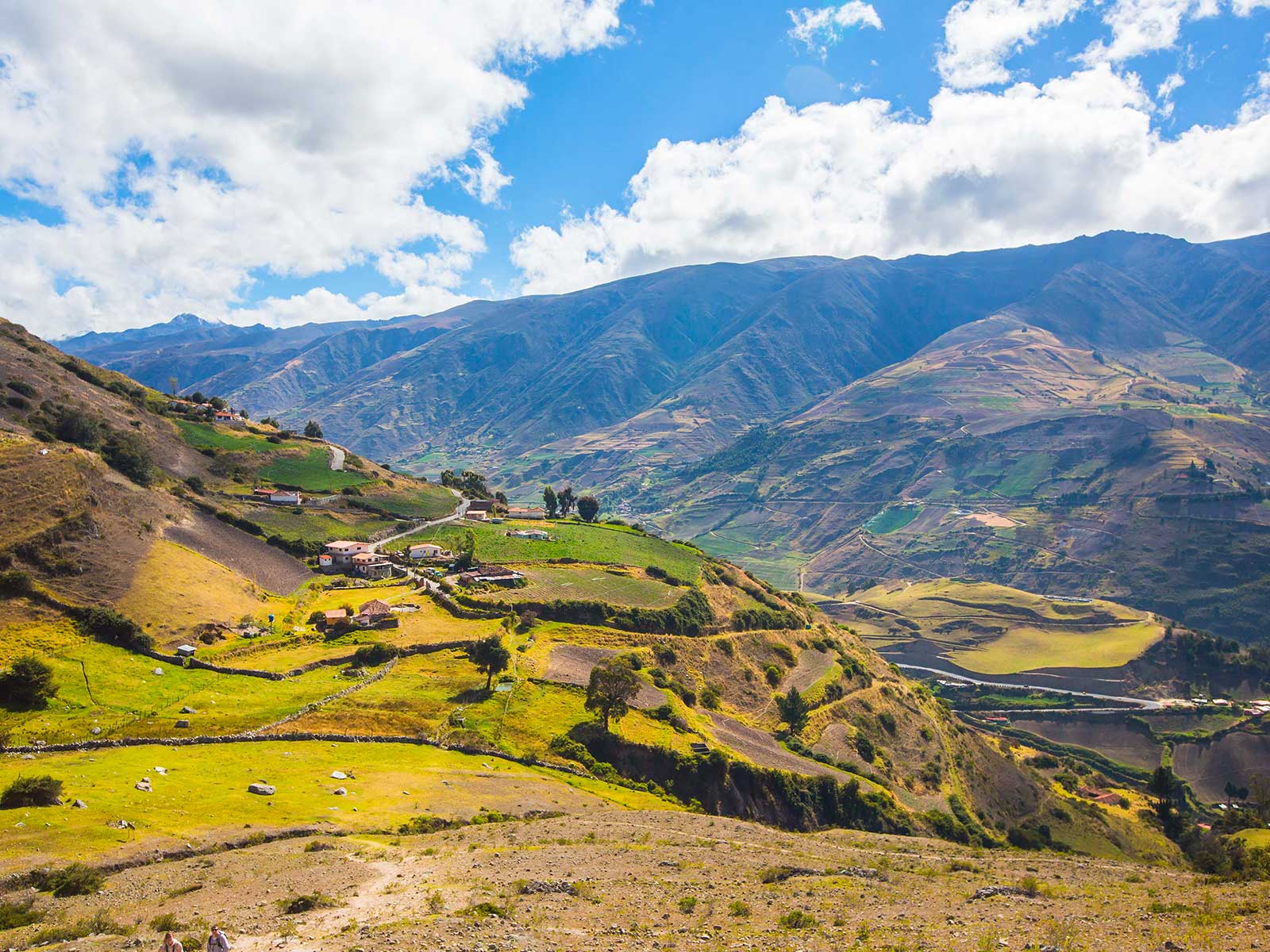
- Andean Delights:The cooler climate of the Andes, particularly around Mérida, brings specialties like trout, unique breads, and heartier stews.
- Llanos (Plains) Cuisine:The vast plains are known for their cattle ranching, making grilled meats (parrilladas) and beef-centric dishes a highlight.
Dining Tips for Travelers
To fully enjoy your Venezuelan culinary adventure:
- Explore Local Eateries:Seek outareperas(specializing in arepas),panaderías(bakeries with snacks and sweets), and localcomedores(casual restaurants) for authentic flavors.
- Don't Be Afraid of Street Food:Many of Venezuela's best bites are found on the streets. Look for vendors with visible lines and good hygiene practices.
- Ask for Recommendations:Locals are always the best source for finding hidden gems and must-try dishes.
- Stay Hydrated:With the tropical climate, remember to drink plenty of water, and try refreshing local drinks like Papelón con Limón.
- Communicate Dietary Needs:If you have allergies or dietary restrictions, learning a few basic Spanish phrases to communicate them will be very helpful.
Conclusion
Venezuelan cuisine is a vibrant, flavorful, and incredibly diverse experience waiting to be discovered. From the iconic arepa to the comforting sancocho, each dish tells a story of culture and tradition. So, pack your appetite and prepare for a culinary journey that will tantalize your taste buds and leave you with delicious memories of Venezuela.