
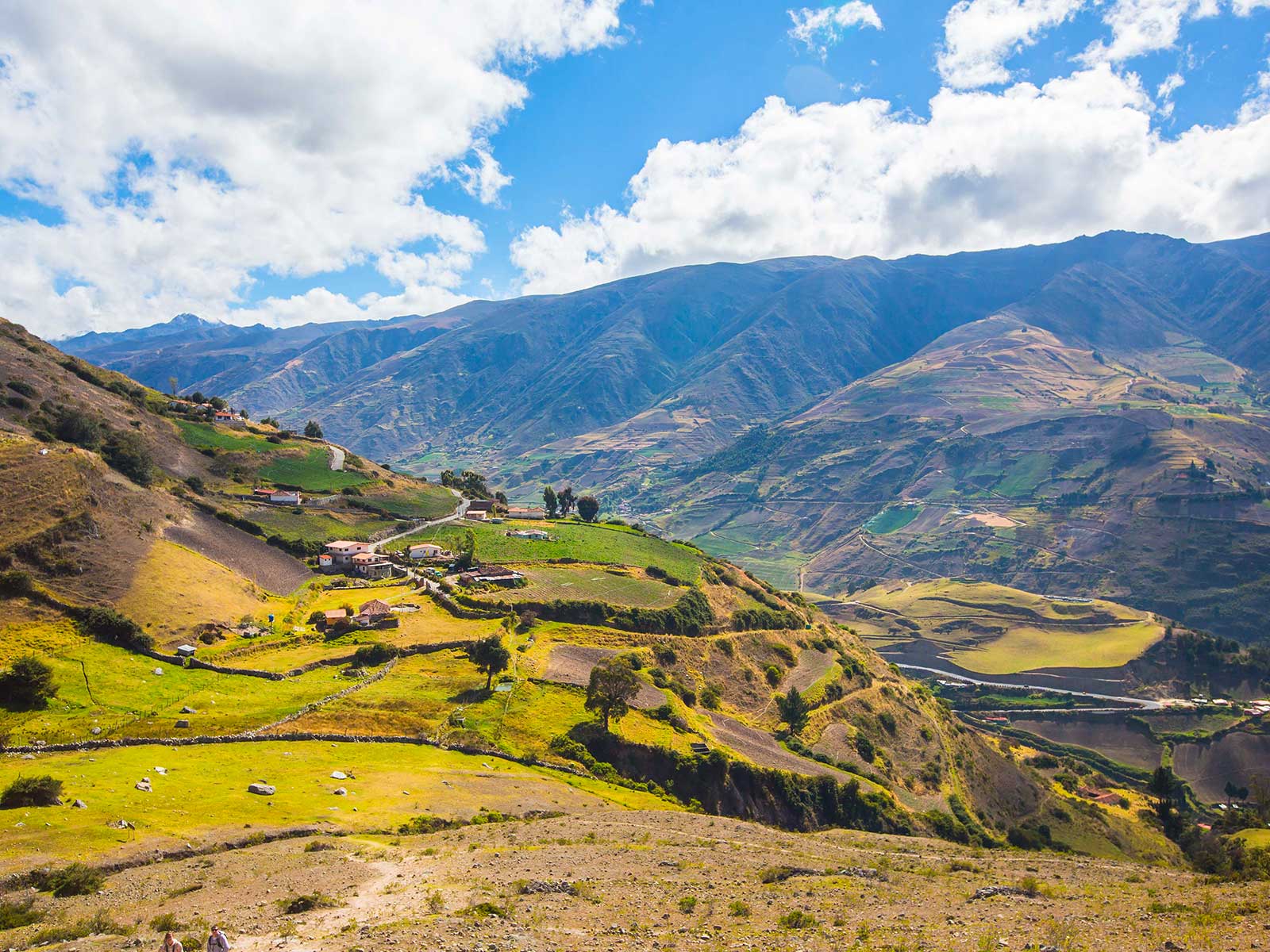
Mount Roraima Trekking Guide: An Epic Journey to the Lost World
Embark on an extraordinary adventure to Mount Roraima, a towering tepui that inspired Arthur Conan Doyle's "The Lost World." This comprehensive guide provides everything you need to know to prepare for an unforgettable trek to one of Earth's most unique and ancient landscapes, offering a truly unparalleled experience in Venezuela's wilderness.
Welcome to The Lost World: Mount Roraima's Allure
Mount Roraima, known locally as Mount Roraima, is not just a mountain; it's a geological marvel and a portal to a prehistoric era. Standing majestically at the triple border of Venezuela, Brazil, and Guyana, this colossal flat-topped mountain, ortepui, is one of the oldest geological formations on the planet, dating back nearly two billion years. Its sheer cliffs, unique ecosystem, and otherworldly summit inspire awe and a sense of profound isolation, making it a dream destination for intrepid trekkers.
The tepuis of the Gran Sabana region, part of Canaima National Park, are remnants of an ancient plateau, eroded over millennia to form isolated "sky islands." Roraima's summit is a labyrinth of bizarre rock formations, crystal valleys, natural jacuzzis, and an astonishing array of endemic flora and fauna, found nowhere else on Earth. It's a place where mist often shrouds the landscape, adding to its mystique and making every step an exploration into the unknown.
Preparing for Your Epic Adventure
Trekking Mount Roraima is a challenging but incredibly rewarding experience. Proper preparation is key to ensuring a safe and enjoyable journey.
Physical Fitness Requirements
The trek involves approximately 100 km of hiking over 6-8 days, covering varied terrain from savannahs and river crossings to steep ascents and boulder fields. A good level of cardiovascular fitness and endurance is essential. Regular hiking, running, or cycling in the months leading up to your trip will significantly enhance your experience.
Best Time to Trek
While Roraima can be trekked year-round, the drier months fromDecember to MarchandJuly to Augustare generally preferred. During the wet season, river crossings can become more challenging and dangerous due to swollen waters, and the summit can be perpetually shrouded in thick fog, limiting visibility. However, even in the dry season, expect rain and unpredictable weather on the summit.
Essential Gear and Packing List
Packing smart is crucial. Expect cold, wet, and windy conditions, especially on the summit. Here's a concise list of essentials:
- Backpack:A comfortable 60-70L backpack for your main gear, and a smaller daypack for daily essentials on the summit.
- Footwear:Sturdy, waterproof hiking boots with good ankle support are non-negotiable. Bring comfortable sandals or water shoes for camp and river crossings.
- Clothing:
- Waterproof and windproof jacket and pants (essential!)
- Thermal base layers (top and bottom)
- Fleece jacket or warm mid-layer
- Quick-drying hiking shirts and pants
- Warm hat, gloves, and several pairs of wool/synthetic socks
- Sleeping Gear:Warm sleeping bag (rated to 0°C/32°F or below) and a sleeping pad.
- Water Purification:Water filter, purification tablets, or UV sterilizer, along with a reusable water bottle or hydration reservoir.
- Headlamp:With spare batteries.
- First-Aid Kit:Personal medications, blister treatment, pain relievers, insect repellent.
- Sun Protection:Sunscreen, sunglasses, wide-brimmed hat.
- Miscellaneous:Trekking poles, camera, power bank, waterproof bags/stuff sacks for electronics and clothes, small towel, toiletries.
Booking a Tour Operator and Permits
Trekking Mount Roraima independently is not permitted. You must go with a registered tour operator from Santa Elena de Uairén, which is the gateway town. The tour includes experienced indigenous Pemon guides, porters (who carry communal gear and food), and cooks. This arrangement not only ensures safety but also supports the local Pemon communities. Permits are handled by your tour operator, but you will need to register with local authorities upon arrival in Parai-tepuy.
The Trek: A Typical 7-Day Itinerary
Most tours follow a similar itinerary, designed to allow acclimatization and ample time to explore the summit.
Day 1: Parai-tepuy to Tek River
The journey begins inParai-tepuy, a Pemon village. After registration, you'll hike across rolling savannahs with views of Roraima and its neighbor, Kukenan Tepui, in the distance. The day ends at theTek Rivercampsite.
Day 2: Tek River to Kukenan River
Another day of trekking through grasslands, crossing several smaller rivers, before reaching the majesticKukenan River. This river can be challenging to cross after heavy rains, sometimes requiring waiting for water levels to drop.
Day 3: Kukenan River to Base Camp
Today brings you closer to the wall of Roraima. You'll traverse more savannah and then begin a gradual ascent through a lush cloud forest, arriving at the base camp at the foot of the tepui's massive cliffs.
Day 4: Ascent to the Summit & Exploration
This is the most challenging day, involving a steep climb up the "La Rampa," a natural ledge and path through the cliff face. The ascent is demanding but offers incredible views. Once on top, you'll reach the "hotels" – sheltered rock overhangs that serve as campsites. The afternoon is spent exploring the immediate surroundings.
Day 5: Summit Exploration
A full day dedicated to exploring the surreal landscape of the summit. Highlights often include the "Valley of the Crystals," the "Triple Point" (where Venezuela, Brazil, and Guyana meet), various natural jacuzzis, and unique rock formations that resemble animals or mythical creatures. The weather can change rapidly, with mist and rain adding to the mysterious atmosphere.
Day 6: Descent to Tek River
A long day of descent, retracing your steps down La Rampa and through the cloud forest to the base camp, then continuing across the savannah to theTek Rivercampsite.
Day 7: Return to Parai-tepuy
The final push back toParai-tepuy, where you can celebrate your accomplishment and reflect on the incredible journey before heading back to Santa Elena de Uairén.
Life on the Summit: A World Apart
The summit of Mount Roraima is truly a unique biome. Its constant moisture and isolation have led to the evolution of numerous endemic species, including tiny black frogs, carnivorous plants, and miniature orchids. The landscape is a geological playground, with intricate water channels, pools, and bizarrely eroded rock sculptures creating an alien environment unlike anywhere else. Visibility can be limited by fog, but when the clouds part, the panoramic views are breathtaking.
Challenges and Essential Considerations
Weather Variability
Be prepared for all four seasons in a single day. The summit frequently experiences strong winds, torrential rain, and dense fog, even during the dry season. Waterproof gear is paramount.
River Crossings
The Tek and Kukenan rivers can swell significantly after heavy rains, making crossings dangerous or impossible. Your guide will assess the safety, and sometimes delays are unavoidable.
Environmental Responsibility
Mount Roraima is a pristine and fragile ecosystem. Practice "Leave No Trace" principles at all times. Pack out everything you pack in, stay on designated paths, and respect the natural environment.
"When traversing the delicate summit of Roraima, remember that every step impacts an ancient, unique ecosystem. Leave nothing but footprints, take nothing but photographs, and kill nothing but time."
Beyond Roraima: Exploring Venezuela's Wilderness
If your Venezuelan adventure extends beyond Roraima, the Gran Sabana region offers other incredible natural wonders. Many trekkers combine their Roraima expedition with a trip to Angel Falls, the world's highest waterfall, also located within Canaima National Park. Alternatively, for a completely different ecological experience, consider exploring the intricate waterways of the Orinoco Delta, home to diverse wildlife and Warao indigenous communities.
Conclusion
Trekking Mount Roraima is more than just a hike; it's an epic pilgrimage to a place of unparalleled natural beauty and geological wonder. It demands respect, preparation, and a spirit of adventure, but the rewards are immeasurable: a journey through a landscape that truly feels like a lost world, etched into your memory forever.