
Henri Pittier National Park Guide: Cloud Forests & Birdwatching
Nestled in Venezuela's northern coastal range, Henri Pittier National Park offers an unparalleled journey into biodiverse cloud forests and stunning Caribbean beaches. As the country's first national park, it's a sanctuary for a remarkable array of wildlife, making it a prime destination for nature lovers and avid birdwatchers alike. Prepare to immerse yourself in a world where mist-shrouded peaks meet sun-drenched shores.
Discovering Henri Pittier National Park
Established in 1937,Henri Pittier National Park holds the distinction of being Venezuela's oldest national park. Named after the Swiss botanist Henri Pittier, who conducted extensive research in the region, this protected area spans over 107,000 hectares, encompassing a dramatic transition from dense cloud forests to arid coastal zones. Its unique geographical position, bridging the Cordillera de la Costa mountain range with the Caribbean Sea, creates a mosaic of ecosystems supporting an extraordinary diversity of flora and fauna.
Geography and Unique Ecosystems
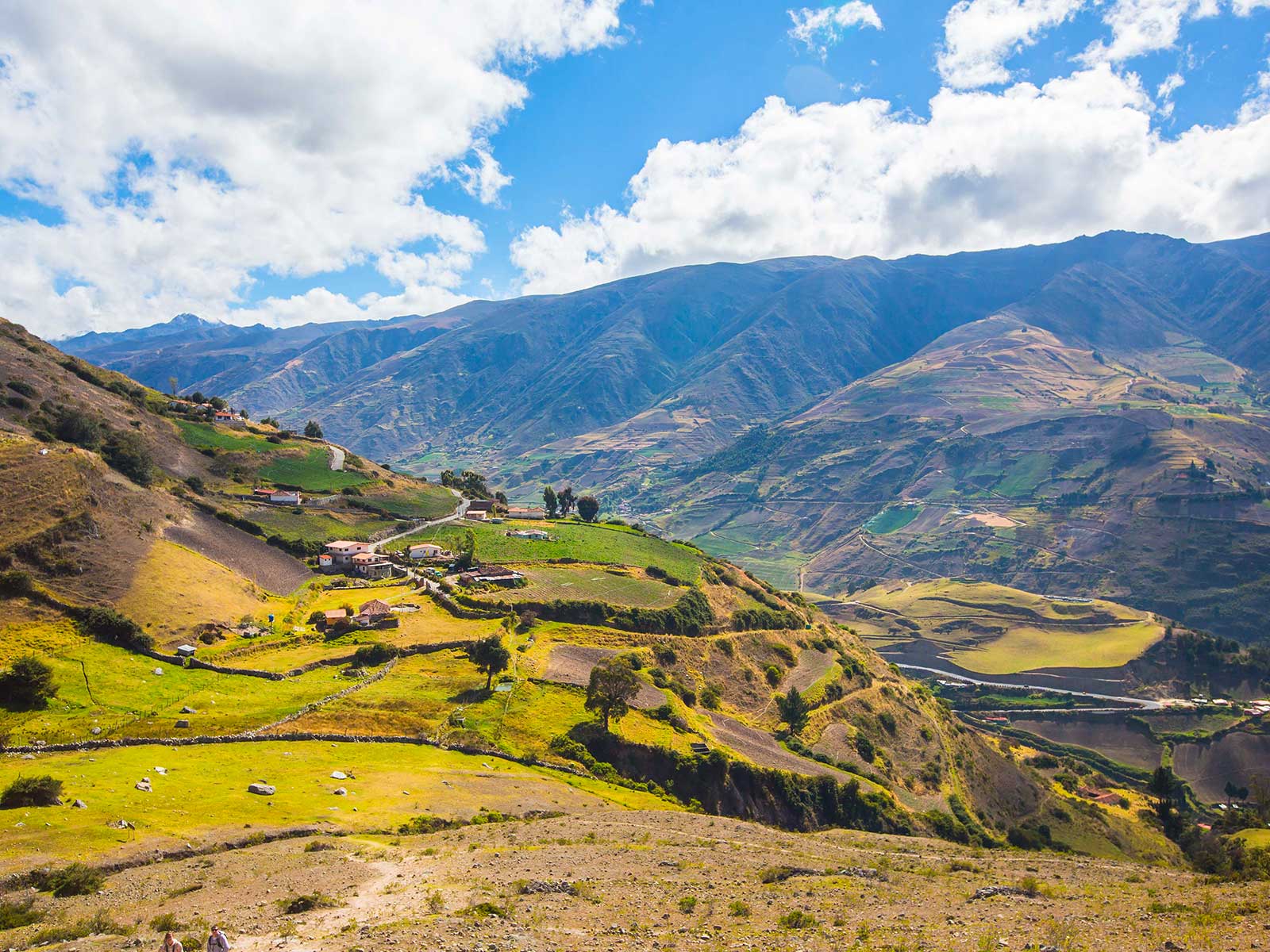
The park's topography is defined by steep mountain slopes, deep valleys, and a winding coastline. This dramatic elevation gradient results in distinct ecological zones:
- Cloud Forests:Found at higher elevations (600-2,000 meters), these forests are perpetually shrouded in mist, creating a humid, ethereal environment. Trees are laden with epiphytes, bromeliads, orchids, and mosses, forming a lush, green tapestry. This is the heartland for many of the park's endemic species.
- Deciduous and Semi-Deciduous Forests:Transitioning down the slopes, these forests experience more pronounced wet and dry seasons.
- Coastal Dry Forests and Mangroves:Closer to the sea, the vegetation becomes sparser, giving way to cactuses and drought-resistant plants, while mangrove forests thrive in the estuarine areas.
- Beaches:The park boasts a stunning coastline with pristine beaches like Chuao, Cata, Cepe, and Choroní, often accessible by boat or winding mountain roads.
Why Visit Henri Pittier? The Ultimate Birdwatching Destination
Henri Pittier is an essential stop for any serious birdwatcher. With over 500 recorded bird species, representing approximately 40% of Venezuela's avifauna, it's one of the most significant birding hotspots in South America. The park serves as a crucial migratory corridor, making different times of the year particularly rewarding for spotting various species.
Did you know?Henri Pittier National Park boasts more bird species than the entire United States, making it a global hotspot for avian biodiversity.
Beyond birds, the park is home to a rich variety of mammals, including jaguars, pumas, ocelots, tapirs, howler monkeys, capuchin monkeys, and sloths. Reptiles, amphibians, and an incredible diversity of insects also thrive here, contributing to the park's vibrant ecosystem.
Planning Your Trip to Henri Pittier National Park
A visit to Henri Pittier requires some planning, especially if you intend to explore the more remote areas or focus on specific activities like serious birdwatching.
Best Time to Visit
The park has a tropical climate with a wet season (May to November) and a dry season (December to April). While the dry season offers easier access to trails and generally clearer skies, the wet season brings lush greenery and can be excellent for birdwatching, particularly for resident species. Migratory birds are often seen during the transitional months (October-November and March-April).
Getting There and Around
The primary gateway city to Henri Pittier is Maracay, located about 1.5-2 hours west of Caracas. From Maracay, you can access various parts of the park:
- To the Cloud Forests:Roads like the Carretera Maracay-Choroní or the Carretera Maracay-Ocumare de la Costa wind through the mountainous cloud forest regions.
- To the Coast:Towns like Choroní and Ocumare de la Costa serve as bases for exploring the park's beaches and coastal areas. Public transport (buses,por puestos) is available to these towns from Maracay, though a private vehicle offers more flexibility.
- Within the Park:For serious trekking or birdwatching in specific areas, hiring a local guide is highly recommended. Many trails are not well-marked, and local expertise is invaluable for navigation and spotting wildlife.
Key Attractions and Activities
1. Birdwatching Expeditions
The park's network of trails, particularly those off the main roads to Choroní and Ocumare, are ideal for birding. Look for endemic species like the Henri Pittier Antpitta or colorful tanagers, hummingbirds, and toucans. Early mornings are generally the most active times for birds.
2. Cloud Forest Treks
Explore the misty trails, marveling at the dense vegetation, giant ferns, and vibrant orchids. Hikes range from easy walks to challenging multi-day treks. A guide can enhance your experience by pointing out hidden wildlife and explaining the ecosystem.
3. Beach Hopping
After exploring the mountains, descend to the coast for a relaxing time on the park's beautiful beaches.
- Choroní & Puerto Colombia:A charming colonial town and its beachside counterpart, offering accommodation, restaurants, and boat trips to more secluded coves.
- Cata & Cata Publica:Popular beaches known for their calm waters and palm trees.
- Cepe & Chuao:Accessible primarily by boat from Choroní, these are less developed and offer a more secluded experience, with Chuao being famous for its exquisite cacao production.
4. Rancho Grande Biological Station (Estación Biológica Dr. Alberto Fernández Yépez)
Located within the park, this historic biological station is a hub for scientific research and a fantastic spot for birdwatching, particularly for nocturnal species and amphibians. While access might be restricted to researchers, visitors can often explore its surroundings.
Wildlife Spotting Tips
- Patience is Key:Wildlife, especially birds, can be elusive. Take your time, move quietly, and observe.
- Binoculars & Field Guide:Essential tools for any birdwatcher.
- Early Mornings:Animals are most active during dawn and dusk.
- Hire a Local Guide:Guides possess invaluable knowledge of animal behaviors, calls, and common spotting locations.
Accommodation and Dining
While there are no large hotels within the park's cloud forest interior, accommodation can be found in the surrounding towns. Maracay offers a range of options, while Choroní and Ocumare de la Costa provide more rustic guesthouses (posadas) and cabins, many with a charming, local feel. Dining largely consists of Venezuelan cuisine, with fresh seafood a highlight in coastal towns.
Safety and Responsible Tourism
Always prioritize your safety. Travel with reputable tour operators or guides, especially for treks into remote areas. Inform others of your itinerary. Respect the park's rules and regulations, and practice Leave No Trace principles:
- Do not litter; pack out everything you pack in.
- Stay on marked trails to protect fragile ecosystems.
- Do not disturb wildlife or remove plants.
- Support local communities by purchasing goods and services from them.
Henri Pittier National Park offers an experience distinct from the vast plains of the Orinoco Delta or the towering peaks of Pico Bolivar. Its unique blend of high-altitude cloud forests and Caribbean beaches makes it a gem in Venezuela's diverse landscape, a true paradise for those seeking natural beauty and unparalleled birdwatching opportunities. Whether you're a seasoned birder or a nature enthusiast, a journey to Henri Pittier promises unforgettable encounters with Venezuela's incredible biodiversity.