
Caracas Travel Guide: Exploring Venezuela's Capital City
Nestled in a picturesque valley, Caracas, Venezuela's vibrant capital, pulses with a unique energy. This bustling metropolis offers a captivating blend of historical grandeur, modern dynamism, and lush natural beauty, all set against the dramatic backdrop of El Ávila National Park.
Welcome to Caracas: A City of Contrasts
Caracas, often referred to as the "Sultana del Ávila" due to its majestic mountain backdrop, is a city of remarkable contrasts. From its colonial past to its contemporary urban sprawl, the city presents a complex tapestry of culture, history, and daily life. Its pleasant, spring-like climate, thanks to its elevation, makes it an inviting destination year-round, though the dry season offers clearer skies and more predictable weather.
Getting There and Around
Arrival at Simón Bolívar International Airport (Maiquetía)
Most international visitors arrive at Simón Bolívar International Airport (CCS), located in Maiquetía, about 21 kilometers from downtown Caracas. Upon arrival, it's advisable to arrange transport in advance or use official airport taxi services to reach your accommodation. The drive into the city offers initial glimpses of Venezuela's diverse landscapes.
Navigating Caracas
Caracas has a multi-faceted transportation system. TheCaracas Metrois generally considered efficient and a safe way to travel between many parts of the city. Its network also integrates with theMetrobús, a bus system that extends reach to areas not directly served by the subway. For street-level travel, taxis and ride-sharing applications are available. Always opt for reputable services and confirm your destination before commencing your journey.
Top Attractions and Things to Do
Historical Heart: Plaza Bolívar and Surroundings
The historical core of Caracas revolves aroundPlaza Bolívar, a lively square dominated by an equestrian statue of Simón Bolívar, the Liberator. Here, you can observe local life, feed pigeons, and soak in the atmosphere. Surrounding the plaza are several significant landmarks:
- Caracas Cathedral:A beautiful example of colonial religious architecture.
- Casa Natal del Libertador:The birthplace of Simón Bolívar, meticulously preserved and offering insights into his early life.
- Museo Boliviano:Adjacent to Bolívar's birthplace, this museum houses artifacts related to the Liberator and the independence era.
- National Pantheon of Venezuela:A short distance away, this grand former church now serves as the final resting place for eminent Venezuelans, including Simón Bolívar himself. It's a powerful symbol of national pride and history. You can learn more about this site here:National Pantheon in Caracas.
Traveler Tip:When exploring the historic center, consider joining a guided walking tour. Local guides can provide invaluable historical context and ensure you navigate the area comfortably.
Cultural Highlights
Caracas boasts a rich cultural scene:
- Teresa Carreño Cultural Complex:One of Latin America's most important cultural centers, hosting concerts, ballets, operas, and theatrical performances.
- Museums:The city offers a range of museums, including the Museo de Bellas Artes (Fine Arts Museum) and the Museo de Arte Contemporáneo (Museum of Contemporary Art), showcasing Venezuelan and international artistic talent.
- Sabana Grande Boulevard:A bustling pedestrian promenade, perfect for strolling, people-watching, and enjoying outdoor cafes and shops.
Nature and Green Spaces
Despite its urban density, Caracas offers abundant green spaces:
- Parque Nacional El Ávila (Cerro Ávila):This majestic mountain range is the city's natural lung and playground. A cable car (teleférico) ride to the summit offers breathtaking panoramic views of Caracas on one side and the Caribbean Sea on the other. Hiking trails of varying difficulty also crisscross the park, providing opportunities for outdoor adventure.
- Jardín Botánico (Botanical Garden):A tranquil oasis featuring a diverse collection of tropical plants and trees.
- Parque del Este (Generalísimo Francisco de Miranda Park):A large urban park offering recreational facilities, a small zoo, and lush gardens, popular with families and joggers.
Beyond the City Center
Venture a bit further to discover charming neighborhoods and cultural gems like Hacienda La Trinidad, a beautifully restored coffee plantation now serving as a cultural center with art galleries, workshops, and cafes.
Culinary Delights
Venezuelan cuisine is a delightful fusion of indigenous, African, and European influences. In Caracas, you can savor traditional dishes like:
- Arepas:Versatile cornmeal patties, often grilled or fried, and filled with various ingredients like cheese, shredded beef (carne mechada), black beans, or avocado.
- Pabellón Criollo:Considered the national dish, consisting of shredded beef, black beans, white rice, and fried plantains.
- Empanadas:Fried corn flour turnovers with savory fillings.
- Tequeños:Fried cheese sticks, a popular snack at any gathering.
Caracas also has a vibrant coffee culture; enjoying a "café con leche" (coffee with milk) or a strong "guayoyo" (black coffee) is a daily ritual.
Practical Tips for Travelers
Safety and Security
Like any large city, Caracas requires visitors to be mindful of their surroundings. It is advisable to:
- Avoid displaying valuable items openly.
- Stick to well-lit and populated areas, especially after dark.
- Use reputable transport services.
- Research neighborhoods before venturing out.
Currency and Payments
The local currency is the Venezuelan Bolívar. It's wise to understand current exchange methods and common payment practices upon arrival, as these can vary.
Connectivity
Local SIM cards are available for purchase, providing mobile data and call services. Wi-Fi is generally available in hotels, cafes, and some public areas.
Best Time to Visit
The dry season, fromDecember to April, offers the most pleasant weather for exploring Caracas, with less rain and generally clearer skies, perfect for enjoying the views from El Ávila.
Language
Spanish is the official language. Learning a few basic Spanish phrases will significantly enhance your travel experience and interactions with locals.
Day Trips and Beyond Caracas
While Caracas itself offers much to explore, its location provides opportunities for excursions. The proximity to the Caribbean coast means that beautiful beaches are within a few hours' drive. Destinations like Henri Pittier National Park, Venezuela's oldest national park, offer both stunning coastlines and diverse cloud forest ecosystems.
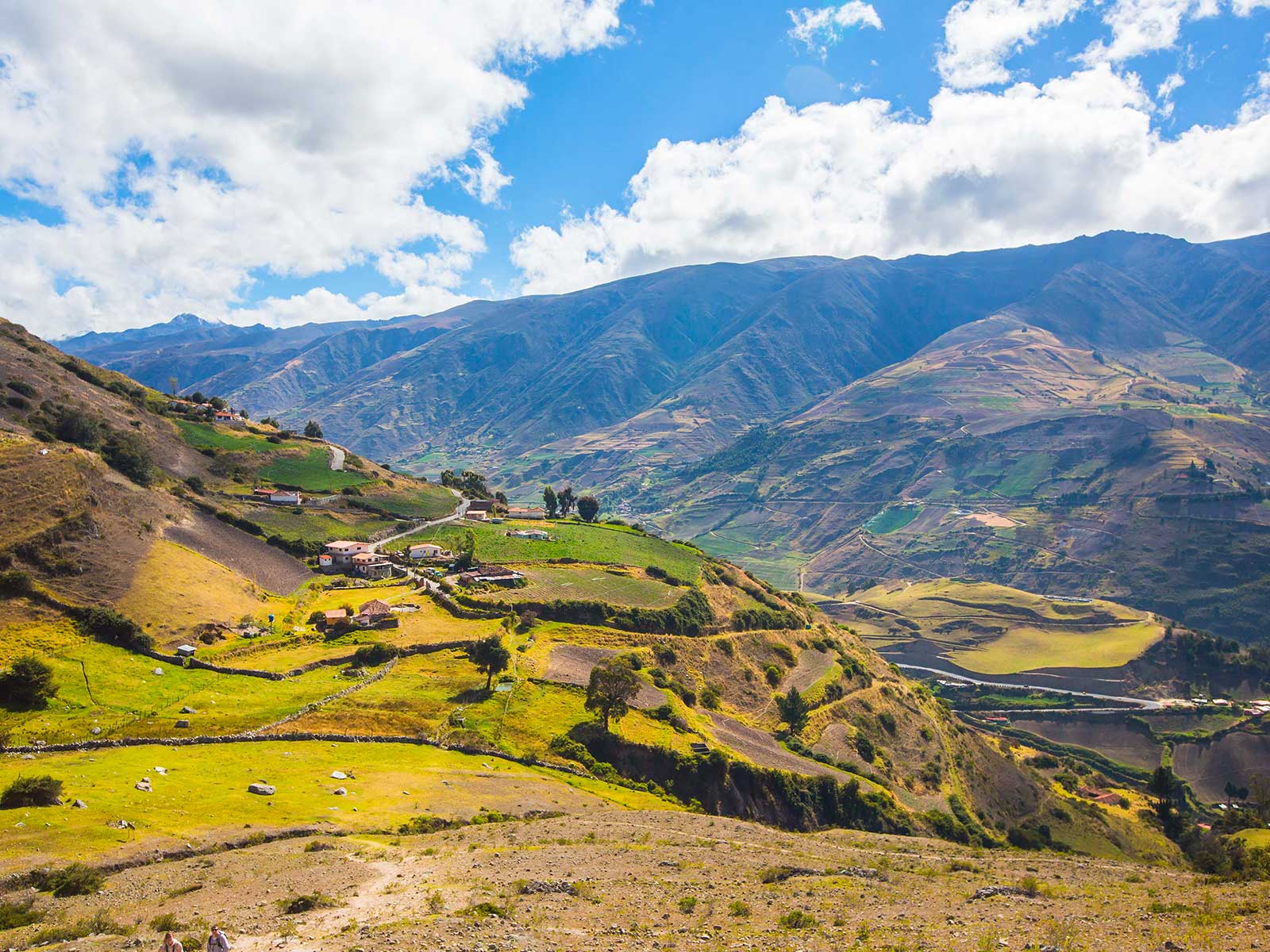
For those planning a longer trip to Venezuela, Caracas serves as a gateway to some of the country's most iconic natural wonders. Consider extending your journey to witness the majestic Angel Falls, relax on the pristine beaches of Los Roques, explore the Andean peaks near Mérida, or discover the charm of Isla de Margarita.
Conclusion: Embrace the Caracas Experience
Caracas is a city that rewards the curious and open-minded traveler. Its blend of historical depth, cultural vibrancy, and stunning natural surroundings offers a unique Venezuelan experience. By embracing its complexities and exploring with an adventurous spirit, you'll discover why this capital city leaves a lasting impression on all who visit.