
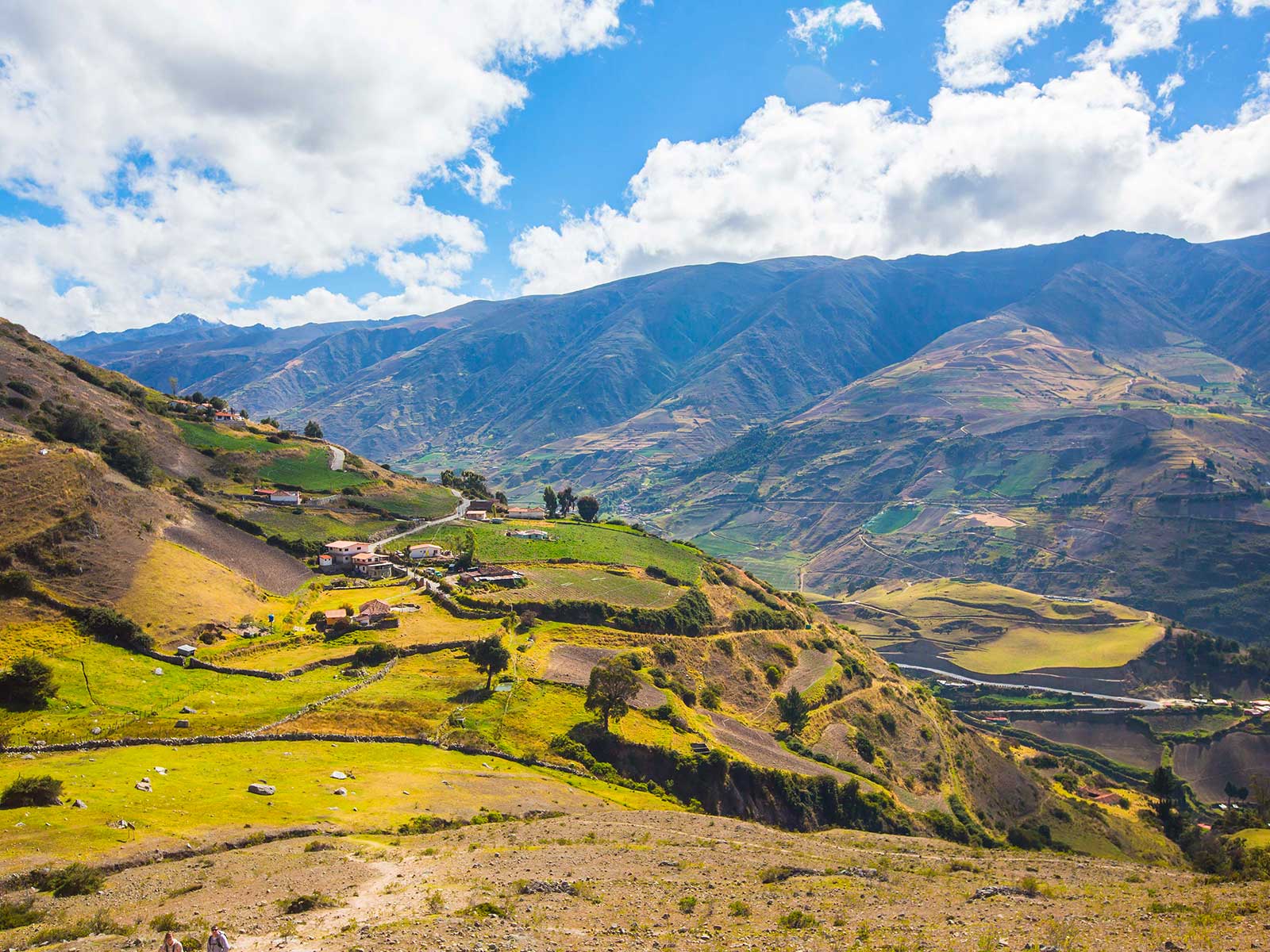
Best Time to Visit Venezuela: Weather, Festivals & Ideal Conditions
Planning a trip to Venezuela requires understanding its diverse climate and vibrant cultural calendar. This guide will help you pinpoint the ideal time to explore its stunning landscapes, from Caribbean beaches to towering Andean peaks, ensuring you make the most of your adventure.
Venezuela, a country of immense geographical variety, experiences two primary seasons: the dry season and the wet season. However, due to its size and diverse topography – encompassing coastlines, mountains, plains, and rainforests – specific conditions can vary significantly by region. Understanding these nuances is key to an unforgettable journey.
Understanding Venezuela's Seasons
The Dry Season: December to April
Generally considered the most popular time to visit, the dry season offers sunny skies, lower humidity, and more predictable weather across most of the country. This period is perfect for outdoor activities and exploring Venezuela's natural wonders.
- Weather:Expect warm, sunny days with minimal rainfall. Coastal areas and islands experience pleasant breezes, while the mountains are clearer and more accessible.
- Ideal for:
- Beach Getaways:The Caribbean coast, including destinations like Isla de Margarita,Los Roques,Mochima National Park, and Morrocoy National Park, is at its absolute best. Calm, clear waters are perfect for swimming, snorkeling, and diving.
- Hiking and Trekking:Regions like the Andes (Mérida,Pico Bolivar) and the Guayana Highlands (Mount Roraima) offer clearer trails and better visibility for trekking.
- Adventure Tourism:Visiting Angel Falls is excellent during this time, with less rain for flights and generally good visibility, though the water flow might be slightly less powerful than in the wet season. The golden dunes of Medanos de Coro National Park are also stunning under clear skies.
- Festivals & Events:
- Christmas and New Year (December/January):A festive atmosphere permeates the country with traditional music, food, and family gatherings.
- Carnival (late February/early March):Celebrated with colorful parades, music, and dancing, particularly lively in cities like Carúpano and El Callao, and along the coast.
- Semana Santa (Holy Week - March/April):A significant religious observance with processions and events, especially notable in Mérida and other traditional towns.
The Wet Season: May to November
While often characterized by rain, the wet season doesn't mean constant downpours. Typically, rainfall comes in intense, short bursts, often in the late afternoon, leaving the mornings clear and sunny. This period transforms the landscape, making it incredibly lush and vibrant.
- Weather:Higher humidity and more frequent rainfall, but usually not all-day rain. Temperatures remain warm.
- Ideal for:
- Wildlife Viewing:The Llanos (plains) and the Orinoco Delta become incredibly lush, attracting abundant wildlife. River levels rise, making boat excursions deeper into the delta more accessible and offering unparalleled opportunities for birdwatching and spotting caimans, anacondas, and capybaras.
- Spectacular Waterfalls:Angel Falls, the world's highest uninterrupted waterfall, is at its most majestic during the wet season. The increased rainfall means a more powerful, awe-inspiring cascade, often shrouded in dramatic mist. Access by river may be easier due to higher water levels.
- Cloud Forests:Henri Pittier National Park, with its unique cloud forests, thrives in the wet season, presenting a verdant paradise for birdwatchers and nature enthusiasts.
- Festivals & Events:
- San Juan Bautista (St. John the Baptist - June):Celebrated with vibrant African-Venezuelan drumming and dancing, particularly in coastal towns like Chuao and Curiepe.
- Independence Day (July 5):Commemorated with parades and patriotic events, especially in Caracas near the National Pantheon.
- Day of Indigenous Resistance (October 12):A national holiday celebrating indigenous cultures and history.
Expert Tip:Don't let the term "wet season" deter you. For many natural attractions, especially waterfalls and wildlife areas, this period brings a breathtaking vibrancy that the dry season simply cannot match. Just be prepared for potential travel delays and pack appropriate rain gear!
Regional Considerations
Caribbean Coast and Islands
Areas like Isla de Margarita,Los Roques,Mochima National Park, and Morrocoy National Park enjoy a tropical climate year-round. The dry season (December to April) is generally preferred for beach holidays, offering plenty of sunshine and calm seas. Even during the wet season, these areas often experience less rain than inland regions, with quick showers followed by sun.
Andes Mountains
In regions like Mérida and around Pico Bolivar, temperatures are significantly cooler than the lowlands and vary with altitude. The dry season (December to April) is ideal for hiking, climbing, and exploring the páramos, offering clearer views and more stable weather. The wet season brings more mist and rain, making some trails slippery, but also revealing lush landscapes.
Llanos and Orinoco Delta
These vast plains and intricate river systems are best explored during the transition periods or early wet season. The dry season (December to April) sees animals concentrated around remaining water sources, making them easier to spot. However, the early wet season (May to July) brings the landscape to life with lush greenery and higher river levels, which can enhance boat tours into the Orinoco Delta and offer different wildlife viewing opportunities.
Guayana Highlands and Gran Sabana
Home to Angel Falls and Mount Roraima, this region has a distinct wet and dry season. For trekking Mount Roraima, the dry season (December to April) is generally recommended due to more stable weather and less mud. For viewing Angel Falls, the wet season (May to November) offers a more powerful cascade, though flight access can be more unpredictable due to weather.
Planning Your Trip: Key Considerations
- Prioritize Your Activities:If pristine beaches and challenging hikes are your focus, aim for the dry season. If lush landscapes, powerful waterfalls, and abundant wildlife are your goals, consider the wet season.
- Flexibility:While the dry season is generally more predictable, weather patterns can always shift. The wet season, while rainy, often provides periods of sunshine.
- Booking Ahead:During the peak dry season (especially around Christmas, New Year, Carnival, and Semana Santa), popular destinations and accommodations can fill up quickly. Booking well in advance is advisable.
- Packing:Regardless of the season, packing layers is wise. For the wet season, waterproof gear is essential, especially for jungle and mountain excursions. For the dry season, sun protection is paramount.
Venezuela's diverse geography ensures that there's rarely a "bad" time to visit; rather, there's an ideal time for specific types of experiences. Whether you seek sun-drenched beaches, challenging mountain treks, or immersive wildlife encounters, understanding the country's climatic rhythms will help you tailor the perfect Venezuelan adventure.
From the refreshing breezes of the Caribbean to the cool heights of the Andes, Venezuela offers unique experiences throughout the year. Your best time to visit will ultimately depend on what you wish to explore in this extraordinary South American nation.