
A Brief History of Venezuela for Curious Travelers
Venezuela, a land of stunning natural beauty from Caribbean beaches to Andean peaks, boasts a history as rich and diverse as its landscapes. Understanding its past offers a profound appreciation for its vibrant culture, resilient people, and unique heritage, making any journey through this South American nation all the more meaningful.
Ancient Roots: Pre-Columbian Venezuela
Long before European arrival, Venezuela was home to numerous indigenous civilizations, each with its distinct culture, language, and way of life. Groups like the Caribs, Arawaks, and Wayuu inhabited various regions, developing sophisticated societies adapted to their environments. The Warao people, for instance, thrived in the vast expanse of the Orinoco Delta, building stilt houses and navigating the intricate waterways. Evidence of early settlements, rock art, and agricultural practices can be found across the country, hinting at a deep connection between these ancient peoples and the land.
The Arrival of Europeans and Colonial Rule
The course of Venezuelan history drastically changed with the arrival of Europeans. In 1498, Christopher Columbus, on his third voyage, became the first European to sight the Venezuelan coast, marveling at its "Tierra de Gracia" (Land of Grace). Just a year later, Alonso de Ojeda's expedition, accompanied by Amerigo Vespucci, explored the Gulf of Venezuela. Observing the stilt houses of the indigenous peoples over the lake, Vespucci reportedly named the region "Venezuela," meaning "Little Venice" – a name that has endured for centuries.
Spanish colonization gradually took hold, marked by the search for resources like pearls, particularly around Isla de Margarita, and later, the establishment of agricultural plantations for cacao and coffee. Cities like Coro, Maracaibo, and Caracas were founded, becoming centers of colonial administration and trade. The colonial period was characterized by the imposition of Spanish culture, religion, and administrative structures, often leading to conflict and exploitation of the indigenous population and the introduction of African slavery.
Traveler's Tip:Many Venezuelan cities retain charming colonial architecture. Exploring historical centers can transport you back in time and offer a glimpse into this formative era.
The Fight for Independence: Simón Bolívar and Gran Colombia
By the late 18th and early 19th centuries, growing discontent with Spanish rule ignited movements for independence across Latin America. Venezuela played a pivotal role in this struggle, producing one of history's most iconic figures: Simón Bolívar, known as "El Libertador."
Inspired by Enlightenment ideals and the American and French Revolutions, Bolívar, along with other patriots like Francisco de Miranda, spearheaded the fight. Venezuela declared its independence on July 5, 1811, but the path to freedom was arduous, marked by years of brutal warfare. Bolívar's military genius and unwavering determination led to decisive victories, culminating in the Battle of Carabobo in 1821, which effectively sealed Venezuela's liberation.
Following independence, Bolívar envisioned a grand unified nation, Gran Colombia, encompassing present-day Venezuela, Colombia, Ecuador, and Panama. However, internal divisions and regional rivalries led to its dissolution by 1830, with Venezuela emerging as an independent republic. Visitors to the National Pantheon in Caracas can pay homage to Bolívar and other heroes of independence, whose legacies continue to shape the nation's identity.
From Caudillos to Oil Wealth: The 19th and Early 20th Centuries
The 19th century in Venezuela was a period of political instability, dominated by the rise and fall of regional strongmen, or "caudillos." Civil wars, most notably the Federal War (1859-1863), raged as different factions vied for power, often centered around debates between federalist and centralist forms of government. This era of conflict hindered economic development and left a lasting impact on the country's social fabric.
The early 20th century, however, brought a transformative change: the discovery of vast oil reserves. In 1914, the first major oil well, Zumaque I, began production, marking the beginning of Venezuela's rapid transition into a petrostate. Oil wealth reshaped the economy, infrastructure, and urban centers, attracting foreign investment and accelerating modernization. However, this period also saw prolonged dictatorships, such as that of Juan Vicente Gómez (1908-1935), who used oil revenues to consolidate power and maintain control.
Democracy, Development, and Challenges: Mid-20th Century Onwards
The mid-20th century saw significant political shifts. After decades of authoritarian rule, Venezuela embarked on a democratic path following the overthrow of Marcos Pérez Jiménez in 1958. This period, known as the Puntofijo Pact era, brought relative stability and economic growth, fueled by oil exports. The nation invested in education, healthcare, and infrastructure, aspiring to become a leading South American democracy.
However, dependence on oil also brought vulnerabilities. Economic booms were often followed by busts, leading to social unrest and political discontent. The late 20th century witnessed growing frustration with traditional political parties, paving the way for the rise of Hugo Chávez in 1999. His "Bolivarian Revolution" initiated profound political, economic, and social changes, nationalizing industries and implementing socialist policies. The Chávez era and its aftermath have been a period of significant transformation and ongoing challenges for Venezuela, shaping its contemporary identity.
Venezuela's Enduring Legacy for Travelers
Today, Venezuela's rich history is woven into the fabric of its diverse landscapes and vibrant culture. From the ancient geological formations of Mount Roraima and the thunderous majesty of Angel Falls that predate human memory, to the unique desert ecosystems of Medanos de Coro National Park, the land itself tells a story millions of years old.
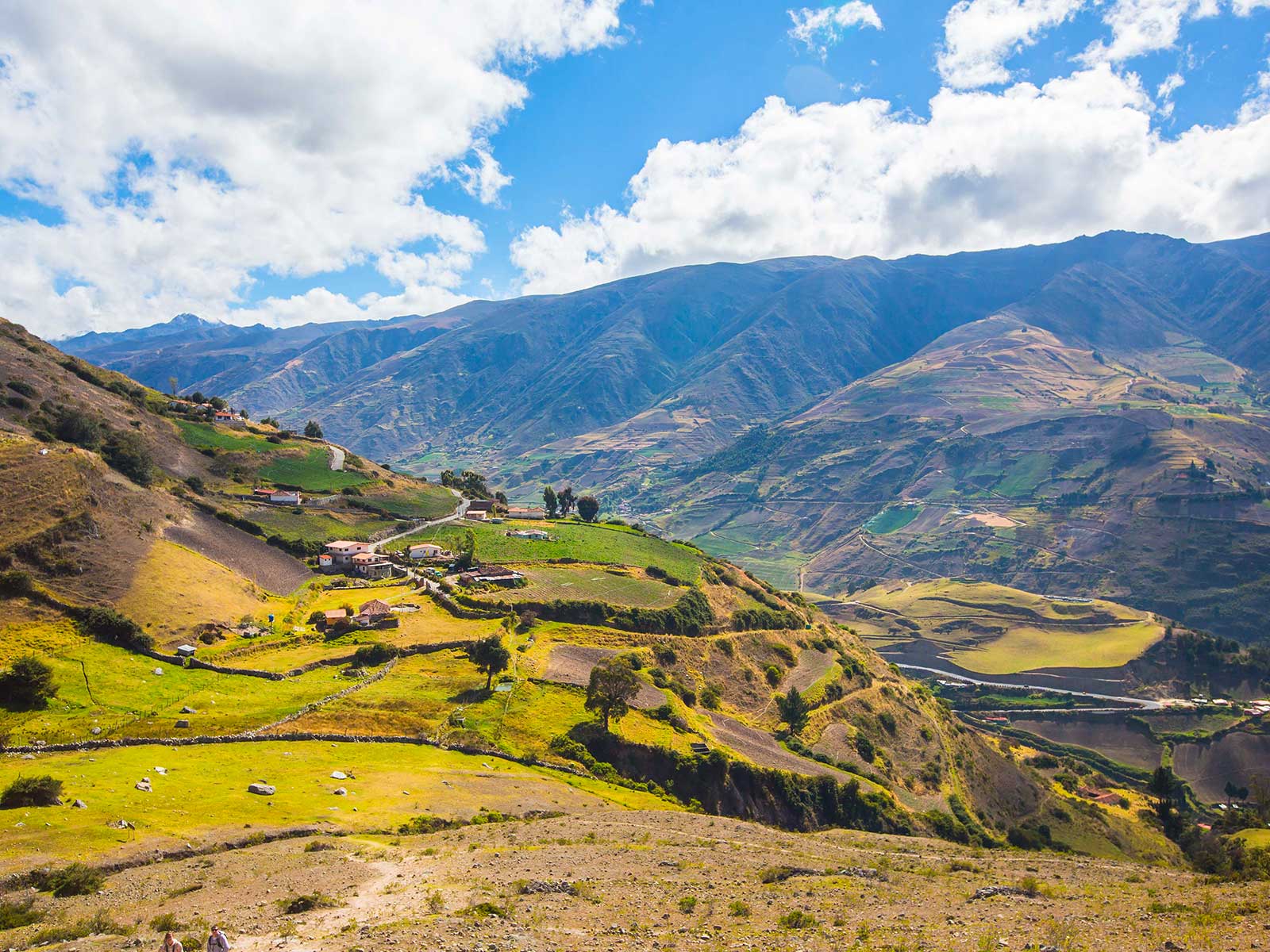
Exploring cities like Mérida in the Andes, with its blend of colonial charm and access to natural wonders like Pico Bolívar, allows travelers to connect with both the natural and historical heritage. The pristine archipelagos of Los Roques or the coastal beauty of Mochima National Park offer timeless escapes, contrasting with the dynamic history of the mainland.
Understanding Venezuela's journey – from its indigenous roots and colonial struggles to its fight for independence and modern challenges – enriches the travel experience. It allows visitors to appreciate the resilience of its people, the depth of its cultural expressions, and the profound beauty that has captivated explorers and inhabitants for centuries.
Embarking on a journey through Venezuela is not just about seeing breathtaking sights; it's about connecting with a vibrant narrative that continues to unfold.