
Visiting Vatican City in Spring, Summer, Fall, Winter: Seasonal Travel Guide
Vatican City, the smallest independent state in the world, is a spiritual and historical beacon drawing millions of visitors annually. While its iconic landmarks like St. Peter's Basilica and the Vatican Museums remain timeless, the experience of visiting this sacred enclave can transform dramatically with the changing seasons.
Why Visit Vatican City?
Home to the Pope and a treasure trove of art and architecture, Vatican City offers an unparalleled journey into history, faith, and culture. From Michelangelo's breathtaking Sistine Chapel to the grandeur of Piazza San Pietro, every corner tells a story. Understanding the seasonal nuances can help you plan your perfect pilgrimage or cultural exploration.
Spring in Vatican City (March - May)
Spring is often considered one of the most delightful times to visit Vatican City. The weather is generally mild and pleasant, with temperatures ranging from 10°C to 20°C (50°F to 68°F), making it comfortable for extensive walking and outdoor exploration. Rainfall can occur, so packing a light umbrella or waterproof jacket is advisable.
Crowds begin to swell during spring, especially around Easter and Holy Week, which are peak times for religious observances and Papal events. Expect significant numbers of pilgrims and tourists during these periods. However, outside of major holidays, the crowds are manageable, offering a vibrant yet less overwhelming atmosphere than summer.
Key events include the Easter celebrations, Papal Audiences, and the opening of the beautiful Gardens of Vatican City for guided tours, showcasing blooming flowers and lush greenery. The longer daylight hours also allow for more extensive sightseeing.
Tips for Spring Visitors:
- Book in Advance:Secure tickets for the Vatican Museums, including the Sistine Chapel, and tours of Vatican Gardens well ahead of time, especially if visiting during Easter.
- Layer Up:Mornings can be cool, while afternoons are warm. Layers are key for comfort.
- Attend a Papal Audience:If interested, Wednesday Papal Audiences are a memorable experience. Tickets are free but must be requested in advance.
Summer in Vatican City (June - August)
Summer brings hot, often humid weather, with temperatures frequently exceeding 30°C (86°F). This is the peak tourist season, meaning Vatican City sees its largest crowds. Expect long lines, crowded exhibition halls, and bustling streets. While the atmosphere is lively, the heat and crowds can be challenging.
Religious events continue, including various Saints' days and the Pope's weekly Angelus address on Sundays in Piazza San Pietro. Some services or events may move indoors or to cooler evening times.
Tips for Summer Visitors:
- Beat the Heat and Crowds:Arrive at attractions like St. Peter's Basilica and the Vatican Museums right at opening (or even before) or visit in the late afternoon/early evening when possible. Consider evening tours if available.
- Stay Hydrated:Carry a refillable water bottle and drink plenty of fluids.
- Dress Code:Adhere strictly to the modest dress code (shoulders and knees covered) for all Vatican sites. Light, breathable fabrics are recommended.
- Sun Protection:Wear hats, sunglasses, and high-SPF sunscreen.
Fun Fact:During the summer months, the Vatican Museums often extend their opening hours on Friday evenings, offering a unique and cooler way to experience the collections, including the Sistine Chapel.
Fall in Vatican City (September - November)
Fall offers a beautiful transition with pleasant temperatures and fewer extreme weather conditions than summer. Temperatures range from 15°C to 25°C (59°F to 77°F) in early fall, gradually cooling down towards November. Crowds begin to thin out after the summer rush, making it an excellent time for a more relaxed visit.
The changing foliage in the Vatican Gardens and around Rome adds a picturesque charm. Major events include All Saints' Day (November 1st) and All Souls' Day (November 2nd), which are important religious observances. Papal Audiences continue regularly.
Tips for Fall Visitors:
- Enjoy the Outdoors:Take advantage of the comfortable weather to explore Piazza San Pietro and the surrounding areas at your leisure.
- Flexible Planning:With fewer crowds, you might find more flexibility in tour bookings, but advance reservations for popular attractions are still wise.
- Pack Layers:Similar to spring, packing versatile layers is crucial as temperatures can vary throughout the day.
Winter in Vatican City (December - February)
Winter in Vatican City is generally cool and can be damp, with occasional rain. Temperatures typically hover between 5°C and 15°C (41°F to 59°F). This is the off-peak season for tourism, resulting in significantly fewer crowds, except for the Christmas and New Year periods, which attract many pilgrims.
The festive season transforms Vatican City into a magical place, with a grand Christmas tree and nativity scene in Piazza San Pietro. Christmas Eve Mass and the Pope's Urbi et Orbi blessing on Christmas Day are major highlights, drawing immense crowds. Beyond these holidays, visiting attractions like the Vatican Museums and Sistine Chapel can be a much more serene experience.
Tips for Winter Visitors:
- Embrace the Festivities:If visiting in December, immerse yourself in the Christmas spirit, but be prepared for intense crowds around major holidays.
- Focus on Indoors:Winter is ideal for spending ample time exploring the indoor wonders of Vatican Museums,Sistine Chapel, and St. Peter's Basilica without the summer rush.
- Dress Warmly:Pack warm clothing, including a heavy coat, scarf, gloves, and waterproof shoes.
- Check Opening Hours:Some attractions may have reduced hours during the low season or specific holidays.
Essential Tips for Visiting Vatican City (Regardless of Season)
- Dress Code:Modest attire is strictly enforced for entry into St. Peter's Basilica, the Vatican Museums, and the Sistine Chapel. Shoulders and knees must be covered.
- Book Tickets in Advance:Always purchase tickets for the Vatican Museums and Sistine Chapel online through the official Vatican website to save time and avoid long queues. Guided tours can also enhance your experience.
- Papal Audiences & Angelus:Check the official Vatican website for the Pope's schedule. The General Audience is usually on Wednesdays, and the Angelus prayer is on Sundays at noon.
- Security:Be prepared for airport-style security checks at all major attractions. Large bags, backpacks, and professional camera equipment may not be allowed or might need to be checked.
- Accessibility:Vatican City is generally accessible, with ramps and elevators available in many areas. Inform staff in advance if you require assistance.
- Food & Drink:While there are cafes and snack bars within the Vatican Museums, consider dining in the surrounding Roman neighborhoods for more options.
Navigating Vatican City: Key Attractions
No matter when you visit, these are the indispensable sites:
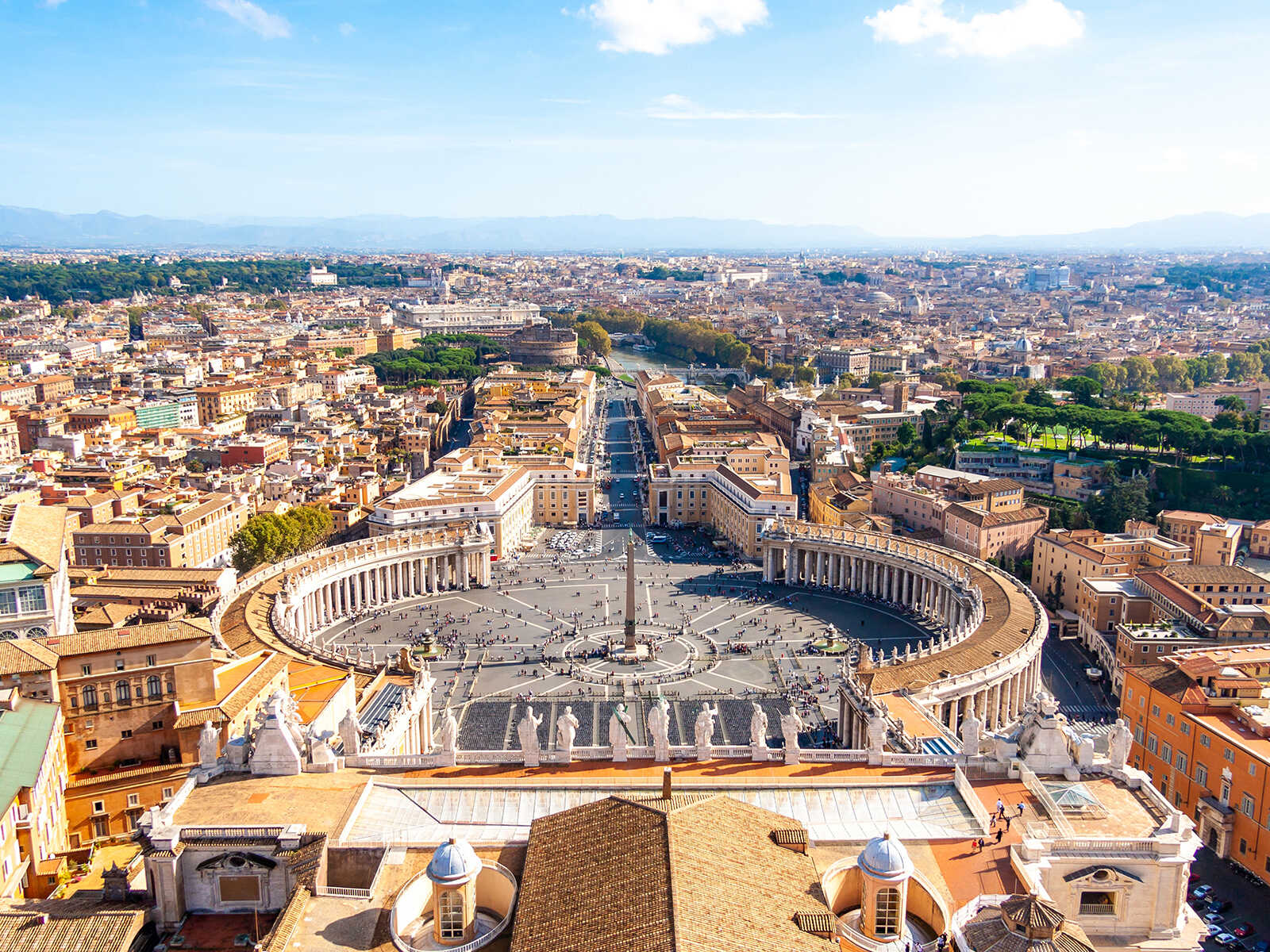
- St. Peter's Basilica:A masterpiece of Renaissance architecture, offering awe-inspiring scale and art, including Michelangelo's Pietà. Don't miss climbing to the top of the dome for panoramic views.
- Piazza San Pietro:Bernini's magnificent colonnaded square, the symbolic heart of Vatican City, where pilgrims gather for Papal events.
- Vatican Museums&Sistine Chapel:Home to an immense collection of art, from classical sculptures to Renaissance masterpieces, culminating in Michelangelo's iconic frescoes in the Sistine Chapel.
- Gardens of Vatican City:Serene and meticulously maintained, these private gardens offer a tranquil escape and can be explored via guided tour, often combined with a visit to the Papal Villas.
Vatican City offers a unique and profound experience year-round. By understanding the seasonal variations in weather, crowds, and events, you can tailor your visit to ensure it is as comfortable, enriching, and memorable as possible.