
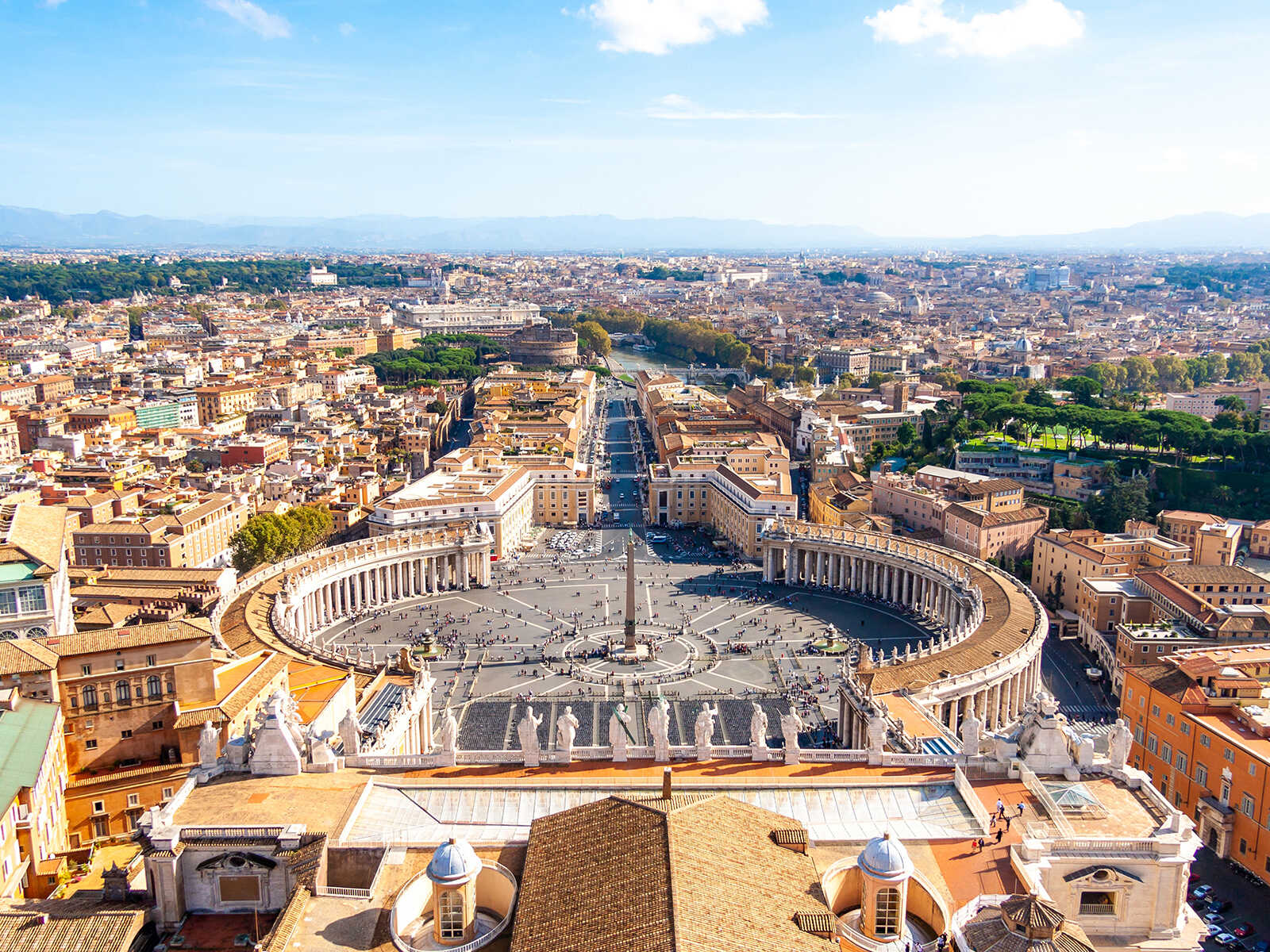
Vatican City's Hidden Gems: Beyond the Main Attractions
While millions flock to the iconic St. Peter's Basilica and the Sistine Chapel, the smallest sovereign state in the world holds a treasure trove of lesser-known wonders. Venture beyond the well-trodden paths to uncover the serene beauty and profound history that many visitors miss.
Vatican City is a destination of unparalleled spiritual and artistic significance. Its most famous landmarks rightly draw global attention, but for those willing to delve deeper, a wealth of extraordinary experiences awaits. This guide will lead you to the secret corners and overlooked marvels that truly enrich a visit to this unique enclave.
The Serenity of the Vatican Gardens
Often overlooked in favor of the indoor attractions, the Gardens of Vatican City offer a peaceful respite and stunning landscapes. These meticulously maintained gardens cover more than half of Vatican City's territory, blending Italian, French, and English styles, and have served as a place of quiet contemplation for popes for centuries.
Home to fountains, sculptures, grottos, and ancient walls, the gardens provide a tranquil contrast to the bustling museums. Access is primarily via guided tour, either walking or by open-air bus, making it an exclusive and informative experience. You'll discover historical fortifications, the Vatican Radio station, and even a helicopter pad amidst lush greenery and vibrant floral displays.
Exploring the Vatican Gardens offers a unique perspective on the city-state, revealing its ecological beauty and the private spaces of its spiritual leaders.
Descending into History: The Vatican Necropolis (Scavi Tour)
Beneath the grandeur of St. Peter's Basilica lies one of the most profound archaeological sites in the world: the Vatican Necropolis. This ancient Roman burial ground dates back to the 1st century AD and is believed to be the resting place of St. Peter himself, making it a site of immense historical and spiritual importance.
The Scavi Tour
The "Scavi Tour" (from the Italian word for excavations) is a highly restricted, intimate journey through this subterranean city. Limited to small groups, it offers a rare glimpse into early Christian history, pagan tombs, and the very foundations upon which the Basilica was built. The highlight is visiting the purported tomb of St. Peter, a deeply moving experience for many.
Practical Tip:Booking for the Scavi Tour is essential and must be done far in advance through the Ufficio Scavi (Excavations Office). Demand is extremely high due to limited daily visitor numbers, and tours are conducted in various languages.
The Crypts of Popes: Vatican Grottoes
While the Scavi Tour requires advance booking, the Vatican Grottoes are more accessible and located directly beneath St. Peter's Basilica. This underground area serves as the burial site for many popes, monarchs, and other dignitaries, offering a different layer of historical exploration.
Unlike the ancient Necropolis, the Grottoes primarily house the tombs of popes from the 10th century onwards, including notable figures like Pope John Paul II and Pope John XXIII. It's a solemn and reflective space, offering a quiet moment to connect with centuries of papal history. Access is typically free and can be found by descending stairs near the main altar of the Basilica.
Artistic Treasures Beyond the Sistine Chapel
The Vatican Museums are vast, and while the Sistine Chapel and Raphael Rooms are undeniable masterpieces, many other incredible collections often get bypassed in the rush.
Pinacoteca Vaticana
The Pinacoteca, or Vatican Art Gallery, houses an extraordinary collection of paintings from the Middle Ages to the 19th century. Featuring works by Giotto, Fra Angelico, Raphael, Leonardo da Vinci, Caravaggio, and many others, it offers a quieter, more contemplative art experience than the main museum routes. Don't miss Raphael's "Transfiguration" or Caravaggio's "Deposition," which are considered among the greatest works of art ever created.
Gregorian Etruscan and Egyptian Museums
Tucked away within the Vatican Museums, these specialized collections provide fascinating insights into ancient civilizations. The Etruscan Museum showcases artifacts from pre-Roman Italy, including bronze mirrors, sarcophagi, and intricate jewelry, revealing the rich culture that preceded the Roman Empire. The Egyptian Museum, meanwhile, transports visitors to the land of pharaohs with papyri, mummies, and colossal statues. These sections are typically far less crowded, allowing for a more immersive experience.
The Original Bramante Staircase
While many visitors descend the iconic double-helix "Bramante Staircase" at the museum's exit (designed by Giuseppe Momo in 1932), theoriginalBramante Staircase, built in 1505, is often overlooked. This marvel of Renaissance architecture, designed by Donato Bramante, allowed papal carriages to ascend and descend without turning around. It's a stunning example of ingenuity and is usually accessible only through special guided tours, making it a true hidden gem for architecture enthusiasts.
Unique Vatican Experiences and Practicalities
The Vatican Post Office
Send a postcard from the world's smallest state! The Vatican Post Office, with branches in Piazza San Pietro and within the Vatican Museums, issues its own stamps and coins. It's a practical stop for mailing souvenirs and offers a unique stamp in your collection, serving as a memorable keepsake from your visit.
Papal Audience
While not a "hidden gem" in the traditional sense, attending a Papal Audience offers an unparalleled opportunity to see the Pope in person. Held on Wednesday mornings (when the Pope is in Rome), either in St. Peter's Square or the Paul VI Audience Hall, it's a profound spiritual experience that many visitors cherish. Tickets are free but must be obtained in advance, either directly from the Prefecture of the Papal Household or through various church channels.
Planning Your Deeper Dive
- Book Ahead:For popular experiences like the Scavi Tour and Vatican Gardens tours, booking months in advance is crucial due to limited availability. For the Vatican Museums, pre-booking skip-the-line tickets is always recommended, even for lesser-visited sections, to save time.
- Dress Code:A strict dress code applies to all sacred sites, including St. Peter's Basilica, the Sistine Chapel, and the Vatican Museums. Shoulders and knees must be covered. It's advisable to wear modest clothing to avoid being denied entry.
- Time Your Visit:Early mornings or late afternoons often offer fewer crowds, even in the main attractions, allowing more time to explore the hidden corners. Consider visiting during the off-season (November to February, excluding Christmas and Easter) for a more relaxed experience.
- Embrace Guided Tours:Many of Vatican City's true hidden gems are accessible only through guided tours. These tours often provide invaluable context and storytelling that brings history to life, transforming a sightseeing trip into a deeply enriching journey.
Vatican City is far more than its famous facades. By dedicating time to its hidden gems – from tranquil gardens and ancient necropolises to overlooked art collections and unique practicalities – you unlock a richer, more profound understanding of this extraordinary place. Step off the beaten path and discover the secrets that lie just beneath the surface of the Holy See.