
Vatican City Photography Guide: Rules, Tips, and Best Spots
Capturing the awe-inspiring beauty of Vatican City through your lens is an unforgettable experience. This guide provides essential information on photography rules, practical tips, and the most photogenic spots to ensure you make the most of your visit while respecting this sacred and historic site.
Understanding Vatican City's Photography Rules
Before you even think about framing your first shot, it's crucial to be aware of the specific photography regulations within Vatican City. These rules are in place to preserve the artworks, maintain decorum, and ensure a respectful atmosphere for all visitors.
General Photography Guidelines:
- No Flash Photography:This is a universal rule across almost all indoor areas in Vatican City, including the Vatican Museums,St. Peter's Basilica, and especially the Sistine Chapel. Flash can damage delicate artworks and is disruptive to other visitors.
- No Tripods or Monopods (Generally):Tripods and monopods are typically not allowed inside the museums or basilica due to space constraints and safety concerns. Check specific entry requirements for each venue.
- No Drones:Drones are strictly prohibited within Vatican City airspace without explicit, high-level permission.
- Respectful Photography:Always be mindful of your surroundings and other visitors. Avoid blocking pathways, taking intrusive photos of people without their consent, or disrupting religious ceremonies.
- Commercial Use:Photos taken for personal use are generally fine. However, any commercial use of images from Vatican City requires official permission.
Specific Venue Rules:
While the general rules apply, some iconic locations have stricter policies:
- Sistine Chapel: Strictly No Photography or Filming.This is the most important rule to remember. Guards are vigilant, and non-compliance can lead to your device being confiscated or being asked to leave. This policy protects the fragile frescoes and maintains the contemplative atmosphere.
- St. Peter's Basilica: No Flash, No Tripods.Photography is generally permitted inside, but without flash. Be discreet and respectful, particularly during mass or prayer. The dome climb often allows photography, offering incredible views.
- Vatican Museums: No Flash, No Tripods.You can photograph most galleries, courtyards, and the famous spiral staircase, but always without flash. Certain temporary exhibits might have additional restrictions.
- Piazza San Pietro and Vatican Gardens:Photography is generally permitted and encouraged in these outdoor areas. For the Vatican Gardens, which require guided tours, always follow your guide's instructions.
Essential Photography Tips for Vatican City
Beyond the rules, a few practical tips can elevate your photos from simple snapshots to memorable captures.
1. Timing is Everything
Vatican City is one of the most visited sites in the world. To capture it without overwhelming crowds:
- Early Morning:Arrive before opening hours, especially for Piazza San Pietro and the exterior of St. Peter's Basilica. The soft morning light is beautiful, and you'll encounter fewer people.
- Late Afternoon:As the day winds down, crowds thin out, and the "golden hour" light is perfect for exterior shots, casting a warm glow on the architecture.
- Off-Season/Weekdays:If possible, visit during the low season (winter, excluding holidays) and on weekdays to experience fewer crowds.
2. Gear Recommendations
- Versatile Lens:A wide-angle lens (e.g., 16-35mm on full-frame) is essential for capturing the grandeur of Piazza San Pietro, the vast interiors of St. Peter's Basilica, and the expansive galleries of the Vatican Museums.
- Telephoto Lens (Optional):A telephoto lens (e.g., 70-200mm) can be useful for isolating architectural details, distant views from the dome, or capturing the scale of the Vatican from afar.
- High ISO Performance Camera:With no flash allowed indoors, a camera that performs well in low light (high ISO capabilities) is invaluable for capturing details without excessive noise.
- Extra Batteries and Memory Cards:You'll be taking a lot of photos!
- Comfortable Camera Strap:You'll be doing a lot of walking.
3. Composition and Perspective
- Look Up:Ceilings, domes, and frescoes are everywhere. Don't forget to point your camera skyward for stunning details.
- Leading Lines:The colonnades of Piazza San Pietro, the long corridors of the Vatican Museums, and the aisles of St. Peter's Basilica offer excellent opportunities for leading lines.
- Scale:Include people in your wide shots (respectfully) to give a sense of the immense scale of the buildings and artworks.
- Details:While the grand scale is impressive, don't forget to zoom in on the intricate carvings, mosaics, and sculptures that make Vatican City so unique.
Photography Tip:When shooting indoors without flash, try bracing your camera against a pillar or railing (where permitted and safe) to minimize camera shake and achieve sharper images at slower shutter speeds.
4. Be Patient and Respectful
Vatican City is a place of pilgrimage and immense historical significance. Patience is key when dealing with crowds. Wait for a moment when a particular area clears slightly, or embrace the human element as part of the scene. Always prioritize respect for the sacredness of the sites and the comfort of other visitors.
Best Photography Spots in Vatican City
From grand squares to intricate interiors, Vatican City offers countless opportunities for breathtaking photographs.
1.Piazza San Pietro(St. Peter's Square)
This iconic square is a photographer's dream.
- Morning Light:The east-facing St. Peter's Basilica is beautifully lit in the morning.
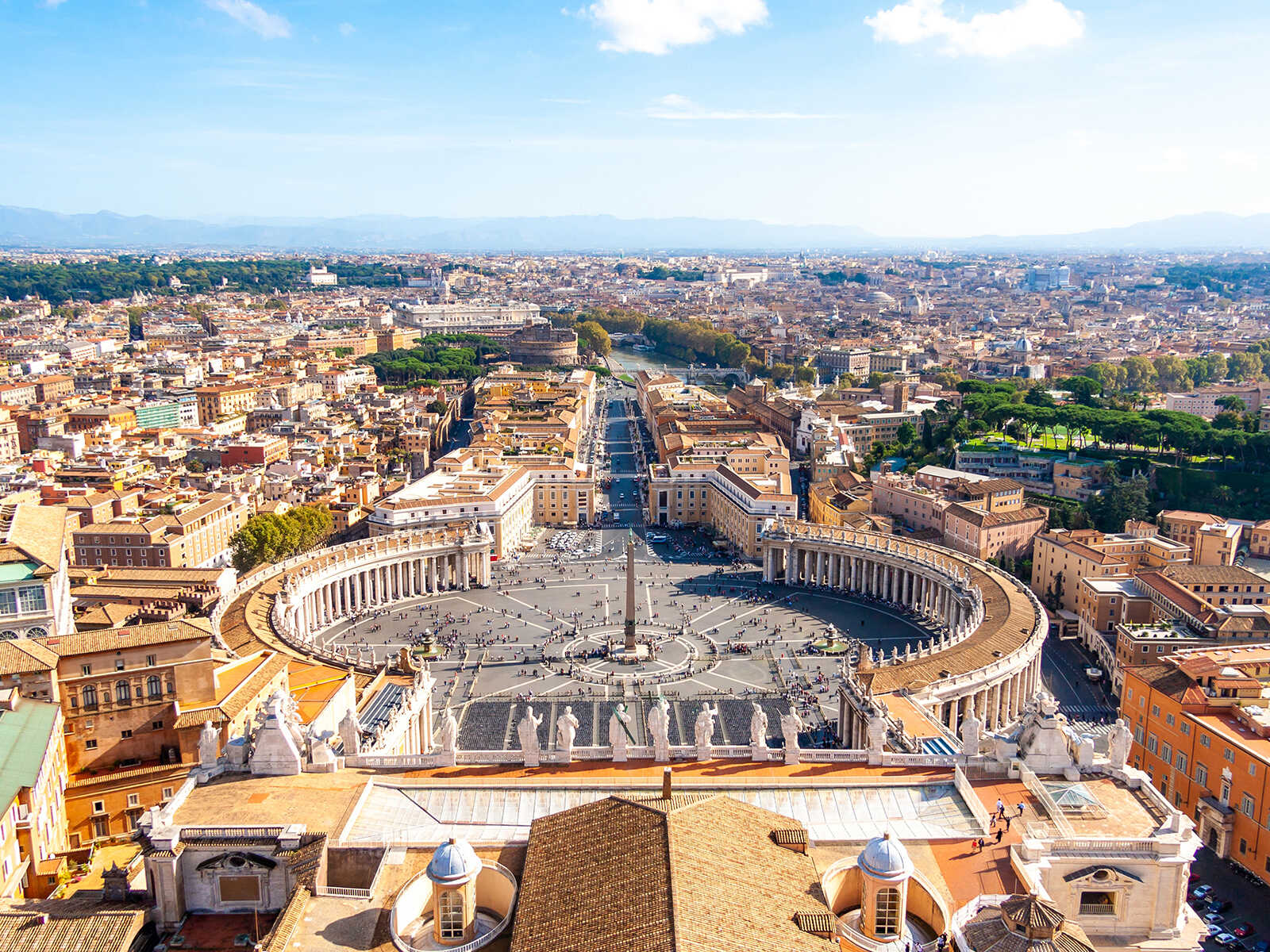
- Colonnades:Capture the sweeping embrace of Bernini's colonnades, perhaps with a wide-angle lens.
- Obelisk:The ancient Egyptian obelisk acts as a powerful central focal point.
- From the Via della Conciliazione:This grand avenue leading to the square offers a classic, iconic perspective of the Basilica.
2.St. Peter's Basilica
The interior of the Basilica is a treasure trove of photographic opportunities (without flash!).
- Pieta:While often behind glass, capturing Michelangelo's Pieta requires a steady hand and good light.
- Baldachin:Bernini's bronze canopy over the papal altar is magnificent. Use a wide lens to capture its scale.
- Dome Climb:The views from the top of the dome are unparalleled, offering panoramic vistas of Piazza San Pietro, the Vatican Gardens, and Rome beyond. This is arguably one of the best spots for cityscape photography.
- Statues and Mosaics:Look for the intricate details on the countless statues and the stunning mosaic work throughout the Basilica.
3.Vatican Museums
While the Sistine Chapel is off-limits for photography, the rest of the Vatican Museums offer a wealth of subjects.
- Pinecone Courtyard:A great spot for outdoor shots with interesting sculptures and architecture.
- Raphael Rooms:Capture the intricate frescoes (without flash, of course).
- Gallery of Maps:The detailed maps and painted ceilings are stunning.
- Bramante Staircase (Spiral Staircase):The modern double-helix staircase is incredibly photogenic, offering unique leading lines and perspectives.
4.Vatican Gardens
Accessible via guided tours, the Vatican Gardens offer serene landscapes, fountains, and unique views of St. Peter's Basilica from a different angle. These are truly peaceful spots for greenery and architectural framing.
5. External Vantage Points
For breathtaking panoramic shots of Vatican City, consider these locations outside its immediate borders:
- Castel Sant'Angelo Bridge:Offers classic views across the Tiber River towards St. Peter's Basilica, especially beautiful at sunset.
- Janiculum Hill (Gianicolo):Provides a magnificent panoramic view of Rome with Vatican City prominently featured. Ideal for sunrise or sunset shots.
Vatican City is an unparalleled destination for photographers, offering a blend of spiritual grandeur, artistic masterpieces, and architectural brilliance. By understanding and respecting the rules, utilizing smart photography tips, and knowing the best vantage points, you can create a stunning visual record of your journey through this extraordinary microstate.