
Vatican City Mass Schedule and How to Attend
Attending Mass in Vatican City offers a profound spiritual experience, connecting visitors with centuries of faith and tradition in the heart of the Catholic Church. Whether you seek a Papal Mass or a quiet daily service, this guide provides essential information on schedules, attendance requirements, and valuable tips to make your visit meaningful and respectful.
The Spiritual Heart of Catholicism: Masses in Vatican City
Vatican City, the smallest independent state in the world, is undeniably a spiritual epicenter. Millions flock here annually, drawn by its history, art, and the unique opportunity to participate in sacred ceremonies. For many, attending Mass is the highlight of their pilgrimage, offering a chance to deepen their faith in an unparalleled setting.
The primary location for most public Masses is St. Peter's Basilica, an architectural marvel and a spiritual beacon. Smaller services also take place in various chapels within the Vatican, catering to pilgrims seeking a more intimate experience.
Understanding Papal Audiences and Masses
While often grouped together, it's important to distinguish between Papal Audiences, the Sunday Angelus, and Papal Masses. Each offers a distinct way to see and hear the Pope, but only the latter are actual Eucharistic celebrations.
Papal Audiences (Wednesdays)
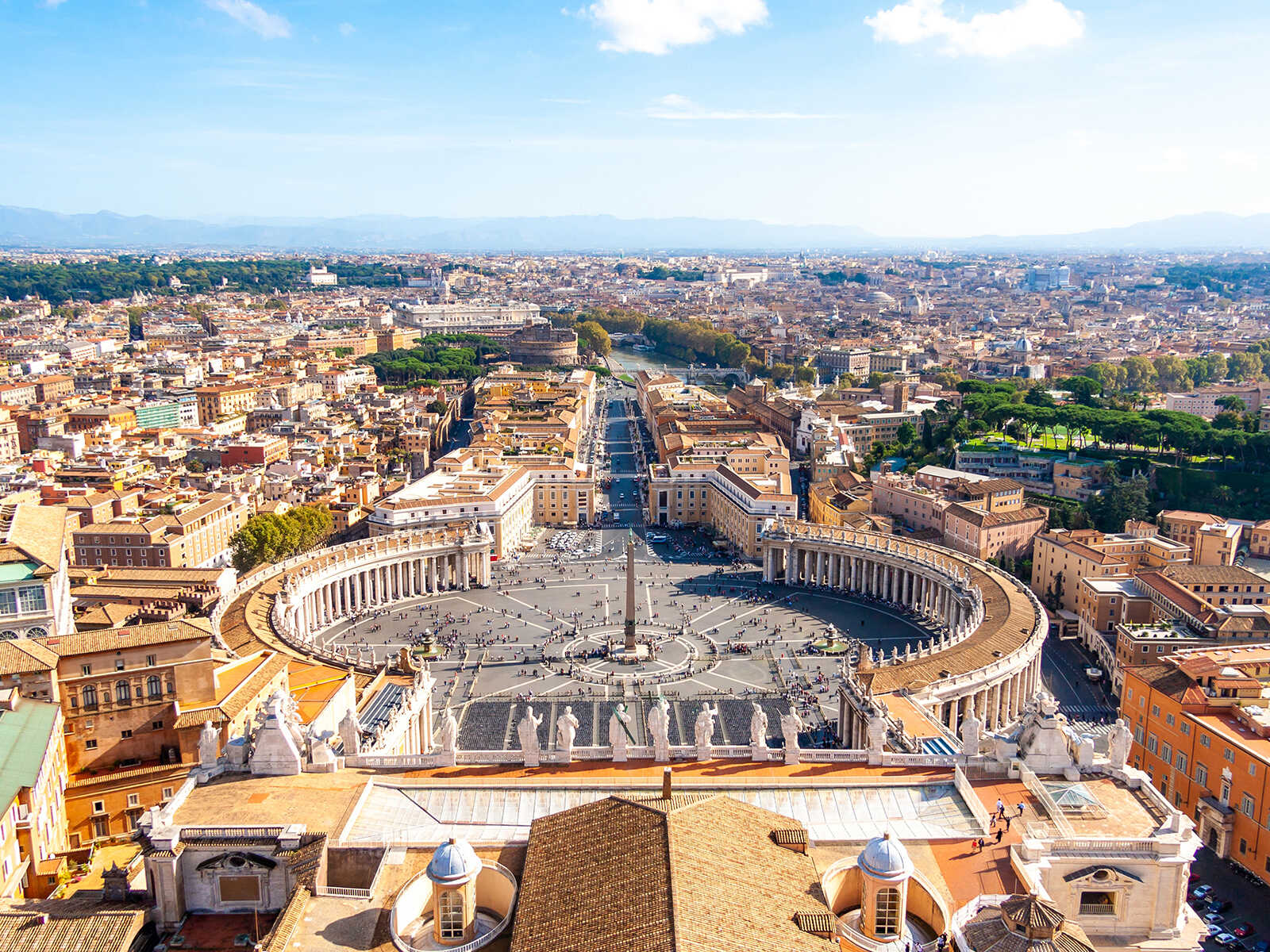
Held almost every Wednesday morning, these are not Masses but rather opportunities for the Pope to address pilgrims, offer teachings, and impart blessings. They take place in Piazza San Pietro(St. Peter's Square) during warmer months and in the Paul VI Audience Hall during colder weather or bad conditions. Tickets are required but free, and demand is high, so booking well in advance through the Prefecture of the Papal Household or a Catholic institution is essential.
Tip:For Wednesday Audiences, gates typically open around 7:30 AM. Arriving by 7:00 AM is recommended to secure good seats, especially during peak seasons.
The Sunday Angelus (Sundays)
Every Sunday at noon, when the Pope is in Rome, he appears at the window of the Apostolic Palace overlooking Piazza San Pietro. He delivers a short reflection, recites the Angelus prayer, and offers an apostolic blessing. This event is free, requires no tickets, and is easily accessible to anyone in the square. It is a brief prayer service, not a Mass.
Papal Masses: Major Liturgical Feasts and Special Occasions
Papal Masses, celebrated by the Pope himself, are typically reserved for major liturgical feasts and significant events in the Church calendar. These include:
- Christmas:Midnight Mass on Christmas Eve (though usually starts earlier, around 7:30 PM), and Christmas Day Mass.
- Easter:Holy Week services, including Palm Sunday, Holy Thursday, Good Friday, Easter Vigil, and Easter Sunday Mass.
- Solemnity of Saints Peter and Paul:June 29th.
- Other Feasts:Such as the Solemnity of Mary, Mother of God (New Year's Day), Epiphany, and Pentecost.
These Masses are usually held in St. Peter's Basilica or, for larger crowds, in Piazza San Pietro. Attending a Papal Mass requires free tickets, which must be requested months in advance due to extremely high demand. Contact the Prefecture of the Papal Household or a religious institution for guidance on obtaining tickets. Be prepared for extensive security checks and very early arrival times, often several hours before the service begins.
Daily and Regular Mass Schedules in St. Peter's Basilica
Beyond Papal events,St. Peter's Basilica hosts several Masses daily, celebrated by various priests. These Masses offer a more accessible and intimate opportunity for prayer and communion.
Mass Times (Subject to Change)
While schedules can vary, especially during special events, a general guideline for daily Masses in St. Peter's Basilica is:
- Morning Masses:Typically between 7:00 AM and 9:00 AM.
- Mid-morning/Noon Mass:Often around 10:00 AM or 12:00 PM.
- Afternoon/Evening Mass:Usually around 5:00 PM.
These Masses are generally held in various chapels within the Basilica, such as the Altar of the Chair, the Chapel of the Choir, or the Blessed Sacrament Chapel. Most Masses are celebrated in Italian, but occasionally, Masses in other languages (e.g., Latin, English) are scheduled. It is always best to consult the official Vatican website or the bulletin boards near the entrance of St. Peter's Basilica upon arrival for the most current schedule.
How to Attend Daily Masses
For regular daily Masses, tickets are generallynotrequired. You simply need to enter St. Peter's Basilica through the standard security checkpoints. Arriving 15-30 minutes before the scheduled start time is usually sufficient to find a seat, though popular times may warrant earlier arrival.
Essential Tips for Attending Mass in Vatican City
1. Dress Code: Modesty is Key
A strict dress code is enforced for entry into St. Peter's Basilica, the Vatican Museums, and the Sistine Chapel. This applies to all visitors, including those attending Mass. Shoulders and knees must be covered for both men and women. Avoid tank tops, short shorts, mini-skirts, and excessively revealing clothing. It's wise to carry a shawl or scarf for covering if needed.
2. Security Checks
Expect airport-style security checks before entering St. Peter's Basilica or Piazza San Pietro for major events. Prohibited items include large bags, sharp objects, and any items deemed dangerous. Be prepared for queues and allow ample time.
3. Arrive Early
For any Mass, especially Papal Masses or those during peak tourist season, arriving well in advance is crucial. This allows time for security, finding a seat, and soaking in the atmosphere. For Papal Masses, "early" can mean several hours before the start time.
4. Respectful Behavior
During Mass, maintain silence and reverence. Photography and video recording are generally discouraged during the liturgy, especially during the consecration and communion. Follow the directions of Vatican staff and ushers.
5. Language
Most daily Masses in St. Peter's Basilica are in Italian. For Papal Masses, while the Pope often speaks in Italian, readings and prayers may be offered in multiple languages, and homilies are often translated via radio receivers (available for rent).
6. Accessibility
Vatican City strives to be accessible.St. Peter's Basilica has ramps and elevators for wheelchair users. For Papal Audiences and Masses, specific sections are often reserved for individuals with disabilities. It's advisable to contact the Prefecture of the Papal Household in advance for specific accessibility needs for ticketed events.
Planning Your Vatican Visit Around Mass
Attending Mass can be a deeply moving experience, but it also requires planning. Keep in mind that St. Peter's Basilica may have restricted access or different opening hours on days with special liturgical events. If you plan to visit the Vatican Museums and Sistine Chapel, consider doing so on a separate day from a major Mass to avoid exhaustion and maximize your experience at both.
Did you know?The Sistine Chapel, famous for Michelangelo's frescoes, is part of the Vatican Museums complex and not directly used for public Masses, except for the Papal Conclave when a new Pope is elected.
Always check the official Vatican website (vatican.va) for the most current schedule of Masses, Papal Audiences, and liturgical celebrations, as times and locations are subject to change without notice.
A Journey of Faith and Discovery
Attending Mass in Vatican City is more than just a religious observance; it's an immersion in history, art, and profound spirituality. Whether you're a devout Catholic, a curious traveler, or simply seeking a moment of reflection, the experience offers a unique connection to the heart of Christian faith. Plan your visit thoughtfully, embrace the reverence, and prepare for an unforgettable journey.