
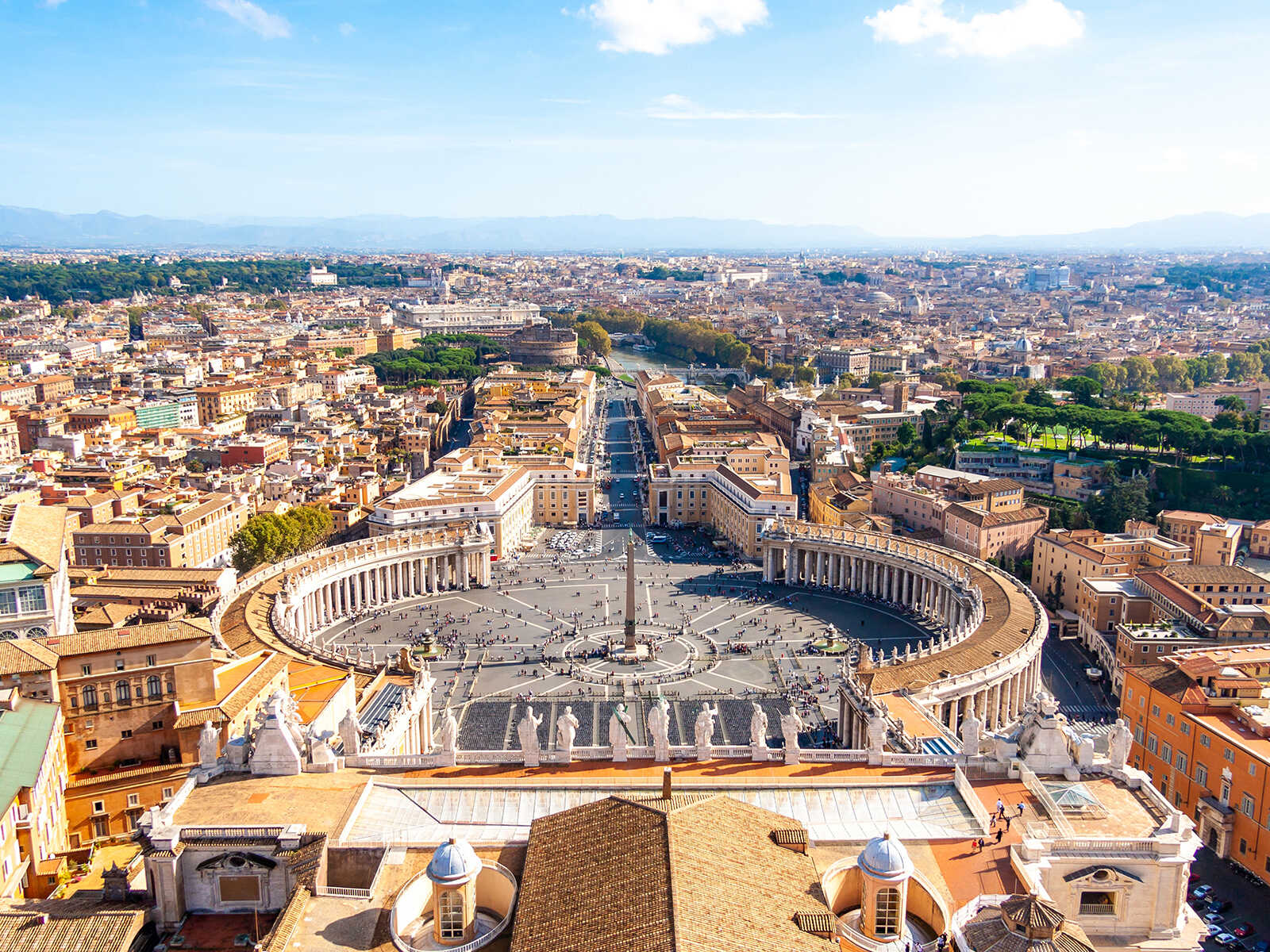
Vatican City Etiquette: Cultural Norms and Respectful Travel
Vatican City, the spiritual heart of the Catholic world, draws millions of visitors annually to its breathtaking art, architecture, and profound religious significance. To ensure a meaningful and respectful experience for all, understanding and adhering to local etiquette and cultural norms is paramount.
As the smallest independent state in the world, Vatican City operates under its own distinct set of guidelines, deeply rooted in its religious identity. Approaching your visit with an awareness of these customs not only shows respect but also enhances your own journey through its hallowed halls and magnificent spaces.
The Golden Rule: Dress Code for Sacred Spaces
Perhaps the most crucial aspect of Vatican City etiquette is its strict dress code, which applies universally to all visitors regardless of their faith. This rule is not merely a suggestion; it's a mandatory requirement for entry into St. Peter's Basilica, the Vatican Museums, and especially the Sistine Chapel.
- Shoulders and Knees Must Be Covered:Both men and women are required to cover their shoulders and knees. This means avoiding shorts, miniskirts, tank tops, sleeveless blouses, and low-cut tops.
- No Bare Midriffs or Revealing Clothing:Clothing should not be overly tight, transparent, or revealing.
- Hats Off Indoors:While hats are acceptable outdoors, they should be removed when entering any building, particularly sacred ones.
- Footwear:While there are no specific rules against sandals, very casual footwear like flip-flops might feel out of place in a religious setting.
It's always a good idea to carry a light scarf, shawl, or cardigan that you can easily put on before entering if your outfit doesn't meet the requirements. You will be denied entry if you do not comply, so planning your attire in advance is essential.
Respectful Conduct in Holy Environments
Beyond the dress code, your demeanor and actions within Vatican City's sacred sites speak volumes. Remember that these are places of worship and profound historical significance.
Silence and Reverence
Maintain a quiet and respectful tone, especially inside St. Peter's Basilica and the Sistine Chapel. Loud conversations, shouting, or excessive chatter are highly inappropriate. Turn off or silence your mobile phone ringers to avoid disturbing others.
Expert Tip:The atmosphere in the Sistine Chapel is maintained with extreme solemnity. Guards will frequently call for "Silenzio!" to remind visitors of the reverence required.
Food, Drink, and Smoking
Eating and drinking are strictly prohibited inside all sacred buildings and museum galleries. The Vatican Museums do provide designated cafes and refreshment areas. Smoking, including e-cigarettes, is generally banned indoors and in many outdoor areas of Vatican City.
Children and Prams
Children are welcome in Vatican City, but parents are responsible for ensuring they behave respectfully. Keep noise levels down and prevent running or disruptive play. Prams and strollers are generally allowed but may be subject to restrictions in very crowded areas or specific exhibits due to space constraints (e.g., special routes for the Sistine Chapel).
Navigating Crowds and Security
Vatican City is one of the world's most popular tourist destinations, meaning crowds are inevitable. Patience and awareness are key to a smooth visit.
Patience is a Virtue
Expect queues for security checks and entry into major attractions. Booking tickets for the Vatican Museums and Sistine Chapel online and in advance is highly recommended to save time, but some waiting is still common, especially in Piazza San Pietro.
Security Checks
All visitors must pass through airport-style security. Be prepared to have your bags scanned and walk through metal detectors. Cooperate fully with security personnel. Prohibited items include large backpacks, sharp objects, and weapons. Lockers are available for prohibited items at the Vatican Museums entrance.
Awareness and Personal Space
In densely packed areas, be mindful of your surroundings and your personal belongings. Pickpocketing can occur in crowded places like Piazza San Pietro. Respect others' personal space, especially when queuing or viewing art.
Engaging with Staff and Clergy
You may interact with various staff members, from security guards to museum attendants, and potentially even clergy. Politeness goes a long way.
Politeness and Queries
Treat all staff and volunteers with courtesy and respect. If you have questions, approach them politely. Even a few basic Italian phrases like "Buongiorno" (Good morning/day) or "Grazie" (Thank you) can be appreciated.
Respecting Religious Figures
If you encounter cardinals, priests, or other religious figures, or witness a religious procession, observe quietly and respectfully. Do not interrupt them, or attempt to photograph them without clear permission.
Photography Etiquette: A Detailed Look
Understanding where and how to take photos is crucial for a respectful visit.
- Sistine Chapel:This is the most important rule to remember:absolutely no photography or video recording is permitted inside the Sistine Chapel.Guards strictly enforce this, and flash photography can damage the frescoes.
- Vatican Museums(excluding Sistine Chapel) and St. Peter's Basilica:Photography without flash is generally allowed for personal use.
- Equipment Restrictions:Tripods, monopods, and selfie sticks are typically not allowed inside the museums or basilica. Professional photography equipment usually requires special authorization.
- Be Mindful:Always be considerate of other visitors. Don't block pathways or views for extended periods while taking photos. Avoid pointing your camera directly at people without their permission.
General Cultural Sensitivity
Basic Italian Phrases
While many people in Vatican City and Rome speak English, making an effort with a few Italian phrases shows respect and can enrich your interactions. "Per favore" (Please), "Scusi" (Excuse me), and "Prego" (You're welcome) are also very useful.
Public Displays of Affection
Vatican City is a profoundly religious state. While light hand-holding is acceptable, overt public displays of affection should be kept discreet or avoided altogether, especially within sacred spaces.
Tipping
Tipping is not generally expected within Vatican City's specific institutions (e.g., for museum staff). However, if you are utilizing services in Rome, such as restaurants or private tour guides, a small tip for good service is customary, usually by rounding up the bill.
Planning for a Respectful and Enjoyable Visit
A little preparation goes a long way in ensuring your visit is both respectful and memorable.
- Book Ahead:Secure your tickets for the Vatican Museums and Sistine Chapel online well in advance to minimize waiting times.
- Comfortable Shoes:You'll be doing a lot of walking, so comfortable footwear is essential.
- Stay Hydrated:Especially during warmer months, carry a water bottle. There are public drinking fountains (nasoni) in Rome, and some facilities within Vatican City.
- Consider a Guided Tour:A guided tour can provide invaluable context and help you navigate the vastness of the Vatican Museums and St. Peter's Basilica efficiently, often with skip-the-line benefits.
- Visit the Gardens of Vatican City:For a more serene experience, consider booking a tour of the Gardens of Vatican City, which offers a different perspective and a tranquil escape, still requiring respectful conduct.
By understanding and adhering to the etiquette of Vatican City, you contribute to preserving its sacred atmosphere and ensuring a respectful and memorable experience for yourself and countless others. Embrace these cultural norms as part of your journey into one of the world's most significant spiritual and artistic treasures.