
Vatican City Accessibility Guide: Tips for Travelers with Mobility Needs
Vatican City, a beacon of history, art, and faith, draws millions of visitors each year. For travelers with mobility challenges, navigating this historic city-state can seem daunting, but with proper planning and awareness, a profoundly rewarding experience awaits. This guide offers practical advice and essential information to help ensure your visit is as smooth and comfortable as possible.
General Accessibility in Vatican City
While the ancient architecture of Vatican City presents inherent challenges, significant efforts have been made to improve accessibility for visitors with disabilities. Many key attractions now offer dedicated accessible routes, lifts, and services. The key to a successful visit is thorough planning and understanding the options available.
It's always advisable to visit during off-peak seasons or early mornings/late afternoons to avoid the largest crowds, which can make navigation more difficult for everyone, especially those with mobility aids.
Getting to Vatican City
Reaching Vatican City from Rome is feasible with various transport options, though accessibility can vary:
- Metro:Line A (red line) to Ottaviano-S. Pietro or Cipro-Musei Vaticani. While Rome's metro system has undergone accessibility upgrades, not all stations are fully equipped with working lifts and escalators. Always check the ATAC (Rome public transport) website for real-time accessibility information before your journey.
- Buses:Several bus lines serve the Vatican area. Look for newer, low-floor buses with ramps, which are becoming more common. Again, consulting the ATAC website for accessible routes is recommended.
- Taxis:Taxis are a convenient option. If you require a wheelchair-accessible vehicle, it's best to book one in advance through a specialized service rather than hailing one on the street.
Navigating Within Vatican City
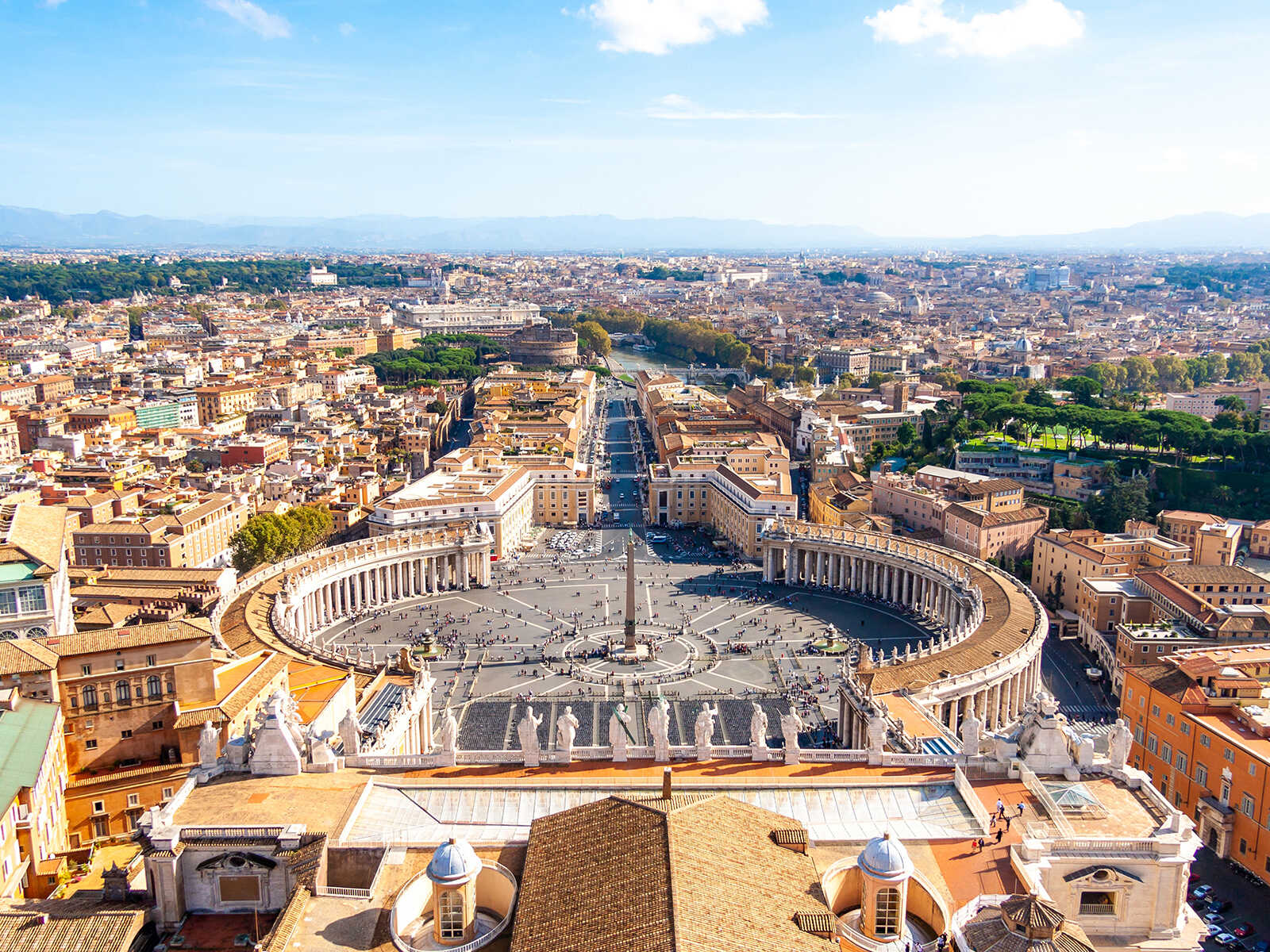
Piazza San Pietro
The magnificent Piazza San Pietro is largely flat and generally accessible. While the vast expanse is paved, some areas feature cobblestones, which can be challenging for wheelchairs or those with walking difficulties. Take your time and stick to smoother paths where possible.
St. Peter's Basilica
Visiting St. Peter's Basilica is a highlight for many, and it is largely accessible. The main entrance via the grand steps can be bypassed. Visitors with mobility needs can usually enter through a specific, accessible entrance located to the right side of the Basilica (often Porta di Bronzo or near the Sacristy entrance). This entrance provides ramp or lift access directly into the Basilica.
- Interior:The interior of the Basilica is spacious and mostly flat, allowing for easy navigation.
- Dome:Unfortunately, the climb to the dome of St. Peter's Basilica involves numerous steps and narrow passages, making it largely inaccessible for wheelchair users or those with significant mobility impairments.
Tip:Always inform Vatican security personnel of your mobility needs upon arrival at St. Peter's Square; they can direct you to the appropriate accessible entrance and provide assistance.
Vatican Museums and Sistine Chapel
The Vatican Museums, home to countless masterpieces including the Sistine Chapel, have made considerable efforts to enhance accessibility. There is a dedicated accessible entrance for visitors with disabilities, typically located on Viale Vaticano, which provides direct access to lifts and accessible routes.
- Accessible Route:The Museums offer specific accessible itineraries that bypass stairs and utilize lifts and ramps. These routes ensure visitors can see the most significant collections, including the Raphael Rooms and the Sistine Chapel. However, be aware that these routes might sometimes involve longer detours.
- Wheelchairs:Manual wheelchairs are available for loan free of charge at the "Special Permits" desk in the entrance hall, subject to availability. An identity document is required.
- Booking:It is highly recommended to book your tickets and any required assistance in advance through the official Vatican Museums website. Specify your mobility needs during booking.
Gardens of Vatican City
The beautiful Gardens of Vatican City are accessible via specific guided tours. These tours often utilize accessible vehicles (mini-buses) that can accommodate wheelchairs. Pre-booking is essential, and you should explicitly state your mobility requirements when making a reservation to ensure an appropriate vehicle is available.
Essential Tips for Accessible Travel to Vatican City
- Plan Ahead and Book in Advance:This is the single most important tip. Research accessible routes, book tickets, and request any necessary assistance (e.g., wheelchair rentals, accessible transport) well before your visit.
- Check Official Websites:Always consult the official Vatican City websites (Vatican Museums, St. Peter's Basilica) for the most current and detailed accessibility information, as policies and infrastructure can change.
- Disability Documentation:Carry official documentation of your disability. In many cases, disabled visitors and one companion are granted free entry to the Vatican Museums and other sites, provided they can present valid certification of disability (74% or more).
- Consider Accessible Tours:Several private tour companies specialize in accessible tours of Rome and Vatican City. These can provide invaluable assistance, accessible transport, and tailored itineraries.
- Pace Yourself:Vatican City is vast, and exploring it can be tiring. Plan for breaks, don't try to see everything in one day, and allow ample time for moving between sites.
- Accessible Restrooms:Accessible restrooms are available at various points within the Vatican Museums and near St. Peter's Basilica. Staff can direct you to the nearest facilities.
- Cobblestones and Terrain:Be prepared for uneven surfaces, particularly outside the main attractions. While efforts are made to create smooth paths, some areas still have traditional Roman cobblestones.
Fun Fact:The Vatican Museums' collection dates back to the early 16th century when Pope Julius II began collecting art. Over centuries, the buildings themselves have been adapted and expanded, with modern accessibility features being carefully integrated into this historic fabric.
Conclusion
Vatican City offers an unparalleled experience, and with careful planning, it is wonderfully accessible for travelers with mobility needs. By utilizing the dedicated services, accessible routes, and taking advantage of advance booking, you can immerse yourself in the profound history, art, and spirituality of this unique destination without undue stress. Prepare well, and enjoy your unforgettable journey through the heart of the Catholic world.