
The Scavi Tour and Vatican Necropolis: A Guide to Underground Vatican City
Beneath the grandeur of St. Peter's Basilica lies a hidden world, a necropolis dating back to ancient Rome that holds secrets of early Christianity and the resting place believed to be that of Saint Peter himself. The Scavi Tour offers an unparalleled journey into this sacred and historically rich underground realm, providing a profound perspective on the Vatican's foundational history.
What is the Scavi Tour?
The Scavi Tour, derived from the Italian word "scavi" meaning "excavations," is a unique guided exploration of the Vatican Necropolis. This ancient Roman burial ground lies directly beneath St. Peter's Basilica, preserving centuries of history beneath the modern church. Unlike the more commonly visited Vatican Grottoes, which house papal tombs from more recent eras, the Scavi delves much deeper, both literally and historically, to the very origins of Christianity in Rome.
The necropolis was originally an open-air cemetery on the Vatican Hill, outside the city walls of ancient Rome. It became buried when Emperor Constantine the Great decided to construct the original Basilica of St. Peter in the 4th century AD, intentionally building it over what was believed to be Saint Peter's tomb. The modern excavations, primarily conducted between 1940 and 1949, unearthed this remarkably preserved city of the dead, revealing pagan mausoleums alongside early Christian burial sites.
The Vatican Necropolis: A Journey Through Time
As you descend into the Vatican Necropolis, you step back in time, traversing narrow passageways that wind through an extraordinary collection of mausoleums. These structures belonged to wealthy Roman citizens, both pagan and Christian, and offer a fascinating glimpse into Roman funerary practices and beliefs.
Each mausoleum tells a story through its intricate frescoes, mosaics, and inscriptions. You'll encounter vibrant mythological scenes, depictions of daily life, and early Christian symbols that predate the widespread acceptance of Christianity. The artistry and preservation are remarkable, providing tangible evidence of a multicultural society where different faiths coexisted.
The highlight of the tour, and indeed the entire excavation, is the area directly beneath the high altar of St. Peter's Basilica. It is here that archaeologists uncovered what is widely believed to be the tomb of Saint Peter.
The Tomb of Saint Peter
According to ancient tradition, Saint Peter, the chief apostle of Jesus, was crucified upside down in Rome during the reign of Emperor Nero, around 64 AD. His followers are said to have buried him discreetly on the nearby Vatican Hill. The archaeological evidence supporting this tradition is compelling.
During the excavations, a simple burial monument, known as the "Tropaion of Gaius," was discovered. This monument dates to the 2nd century AD and was built directly over a modest grave. Adjacent to this, archaeologists found a wall covered in ancient graffiti, including a crucial inscription in Greek that reads "Petros eni," meaning "Peter is here." Further investigations revealed human remains within the grave, consistent with a man of Peter's age and stature, dating back to the 1st century AD. While absolute certainty remains a subject of theological and academic discussion, the weight of evidence strongly suggests this is indeed the final resting place of Saint Peter.
Did you know?The decision to build the massive St. Peter's Basilica directly over this revered burial site was a monumental engineering feat, requiring the leveling of the entire Vatican Hill and the careful preservation of Peter's shrine within the church's foundations.
Preparing for Your Scavi Tour
The Scavi Tour is an incredibly popular and exclusive experience, requiring careful planning.
Booking Your Tour
Access to the Scavi is highly restricted to preserve the delicate archaeological site. Tours are managed directly by the Fabbrica di San Pietro, not by the Vatican Museums. You cannot simply walk in or book through commercial tour operators.
- Application Process:You must apply in advance, typically by sending an email to the Ufficio Scavi (Excavations Office) with your preferred dates, number of people, and language.
- Confirmation:Due to limited availability (small group sizes and few daily tours), it can take time to receive a confirmation, and your preferred date might not be available. Apply several months in advance, especially during peak season.
- Group Size:Tours are limited to approximately 12-15 people per group, ensuring an intimate and respectful experience.
What to Expect During the Tour
- Guided Experience:All tours are led by knowledgeable Vatican guides who provide detailed historical and archaeological insights.
- Duration:The tour typically lasts around 90 minutes.
- Conditions:The necropolis is located deep underground, so expect narrow passages, low ceilings in some areas, and a constant temperature with high humidity. It can feel confined.
- Language:Tours are offered in several languages, but availability for specific languages on certain days can be limited.
Dress Code and Accessibility
- Strict Dress Code:The Vatican's strict dress code applies: shoulders and knees must be covered for both men and women. No shorts, miniskirts, or sleeveless tops. Comfortable walking shoes are highly recommended.
- Accessibility:The Scavi is unfortunately not wheelchair accessible due to uneven ground, narrow stairs, and confined spaces. It is also not recommended for individuals with claustrophobia, heart conditions, or young children (under 15 years old are generally not permitted).
Beyond the Necropolis: Connecting to St. Peter's Basilica
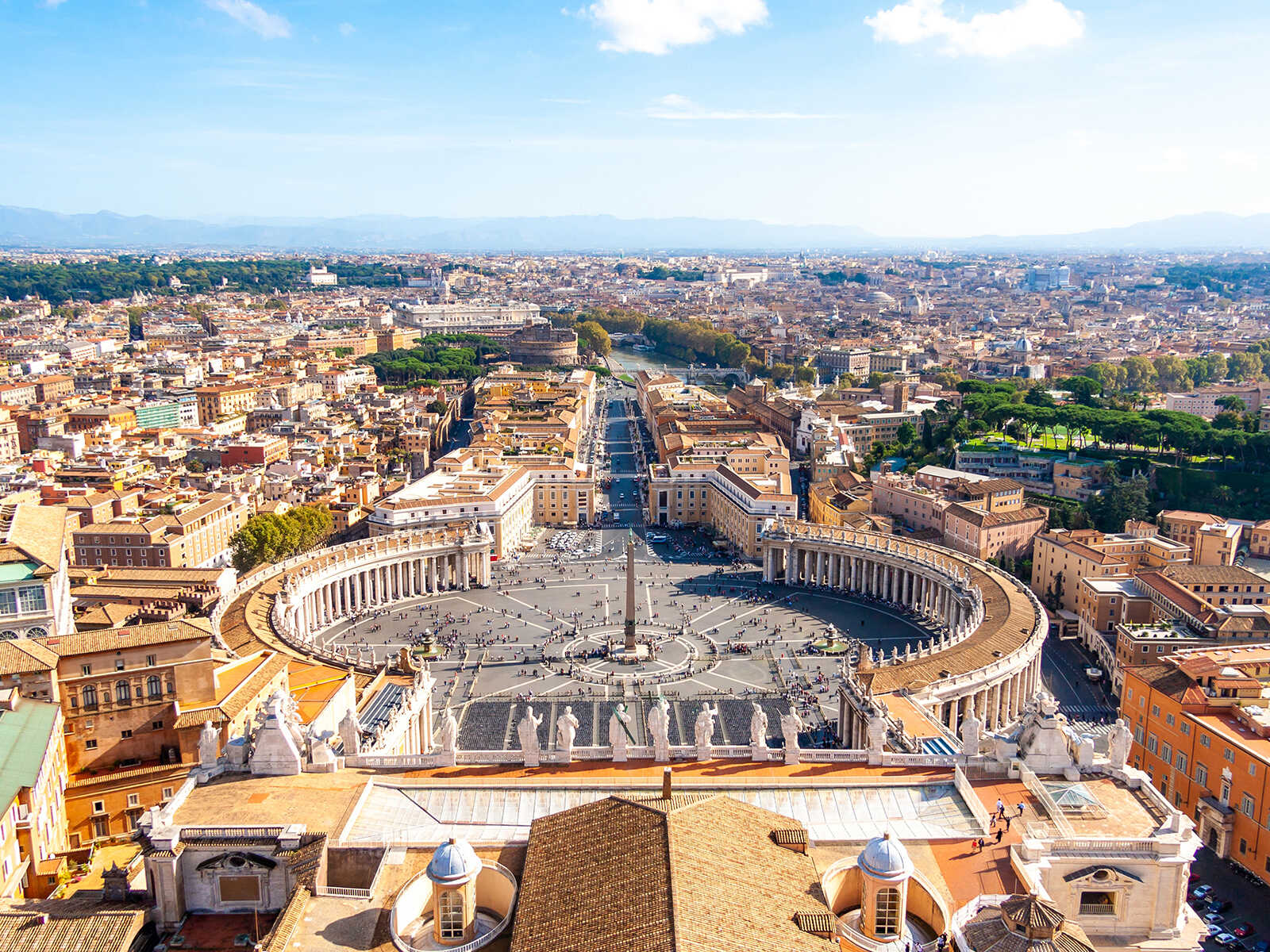
The Scavi Tour concludes by bringing you up into the foundations of St. Peter's Basilica, often emerging near the Vatican Grottoes. This transition seamlessly connects the ancient pagan and Christian burial ground with the monumental church built above it, offering a profound sense of continuity. From the humble grave of Peter, you ascend to the heart of the Catholic Church, a journey that truly highlights the scale of history encapsulated within Vatican City. After your tour, you can easily proceed to explore the magnificent interior of St. Peter's Basilica or step out into the vast expanse of Piazza San Pietro.
Why Take the Scavi Tour?
While the Vatican Museums and Sistine Chapel offer artistic and cultural marvels, the Scavi Tour provides a unique and deeply spiritual, historical, and archaeological experience that stands apart. It's an opportunity to:
- Walk on Sacred Ground:Experience the earliest layers of Christian history in Rome.
- Witness Ancient History:Explore a remarkably preserved Roman necropolis.
- Gain Perspective:Understand the origins of St. Peter's Basilica and the significance of its location.
- Enjoy Exclusivity:Be part of a small, privileged group exploring a truly restricted area.
Important Considerations and Tips
- Arrive Early:Even with a confirmed booking, arrive at the Ufficio Scavi (located just outside the left colonnade of Piazza San Pietro) 10-15 minutes before your scheduled time.
- Bring ID:You will need to present the confirmation letter and a valid form of identification.
- Photography:Photography and videography are strictly prohibited throughout the tour to protect the delicate environment and maintain a respectful atmosphere.
- Respectful Conduct:Remember you are in a sacred and historical site. Maintain quiet and respectful behavior.
- Plan Your Day:Due to the booking process, it's wise to plan other Vatican activities like visiting the Vatican Museums,Sistine Chapel, or Vatican Gardens for before or after your Scavi Tour, keeping in mind the separate entry points and time commitments.
The Scavi Tour is more than just a historical excursion; it's a pilgrimage into the very foundations of faith and history. It offers a profound, unforgettable journey into the subterranean heart of Vatican City, revealing layers of human history and spiritual devotion that few ever get to witness.