
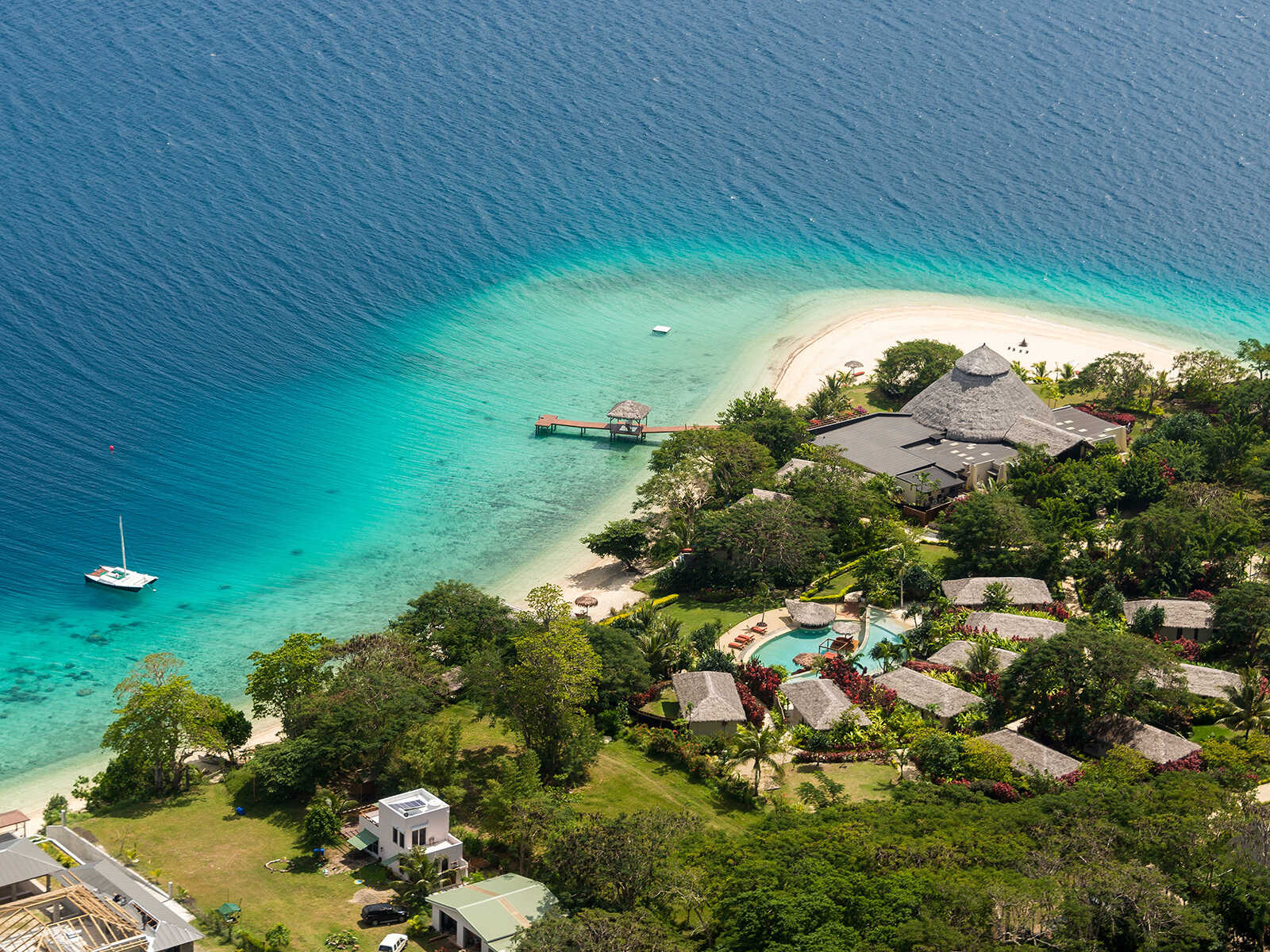
Vanuatu Safety Guide: Tips for a Worry-Free Island Trip
Vanuatu's allure is undeniable, with its pristine beaches, vibrant culture, and active volcanoes beckoning adventurers and relaxation-seekers alike. While generally a safe and welcoming destination, a little preparation and awareness go a long way in ensuring your island adventure is smooth and worry-free. This guide offers essential tips to help you navigate this South Pacific gem safely and confidently.
Understanding Local Culture & General Safety
Vanuatu is renowned for its friendly people, known as Ni-Vanuatu, and a relatively low crime rate compared to many other tourist destinations. However, like anywhere, exercising common sense and respecting local customs will significantly enhance your safety and overall experience.
Respecting Ni-Vanuatu Customs
The local culture, deeply rooted in 'Kastom' (traditional customs and beliefs), is a cornerstone of daily life. Showing respect for these traditions is paramount.
- Dress Modestly:When visiting villages or more remote areas, it's advisable for both men and women to dress conservatively, covering shoulders and knees. Swimwear is generally acceptable only on beaches or by the resort pool.
- Ask for Permission:Always ask permission before taking photos of people, especially children, or entering private property/villages.
- Understand 'Kastom':Some areas or events may have specific 'Kastom' rules. Your local guide will inform you, but generally, being polite and observant is key.
Petty Crime Awareness
While serious crime against tourists is rare, petty theft can occur, particularly in busier areas like Port Vila.
- Secure Valuables:Keep your passport, large sums of cash, and other valuables in a hotel safe or secured bag.
- Be Aware of Your Surroundings:Especially in crowded markets or at night, be mindful of your belongings. Avoid walking alone in poorly lit areas after dark.
- Don't Flash Cash:Try not to display large amounts of money or expensive electronics openly.
Fun Fact:Vanuatu is consistently ranked as one of the happiest countries in the world, a testament to the friendly and welcoming nature of its people. This positive atmosphere contributes significantly to a safe travel environment.
Health & Medical Preparedness
Proactive health measures are crucial for a comfortable trip. Consult your doctor well in advance of your travel date to discuss vaccinations and any necessary precautions.
Essential Vaccinations & Health Precautions
Recommended vaccinations often include Hepatitis A and B, Tetanus, and Typhoid. Additionally, be aware of mosquito-borne diseases prevalent in tropical climates.
- Mosquito Protection:Dengue fever is present in Vanuatu, and malaria is a risk in some outer islands, though generally not on Efate. Use a good quality insect repellent, especially at dawn and dusk, and consider wearing long sleeves and pants in the evenings. Sleep under a mosquito net if your accommodation doesn't have screened windows.
- First-Aid Kit:Pack a basic kit with pain relievers, antiseptic wipes, bandages, antihistamines, and any personal medications.
Water, Food & Sun Safety
Taking precautions with what you consume and how you protect yourself from the elements is vital.
- Drinking Water:Tap water in Port Vila and Luganville is generally considered safe to drink, but elsewhere, stick to bottled water or purified options to avoid stomach upsets.
- Food Hygiene:Eat at reputable establishments. While street food can be delicious, ensure it's freshly prepared and piping hot.
- Sun Protection:The equatorial sun is intense. Use high-SPF sunscreen, wear a wide-brimmed hat, sunglasses, and seek shade during peak hours (10 am - 3 pm). Sunburn can quickly ruin your trip.
Medical Facilities & Travel Insurance
Medical facilities in Vanuatu are limited, particularly on the outer islands. Port Vila has the main public hospital and a few private clinics, but for serious conditions, medical evacuation to Australia or New Zealand may be necessary.
- Travel Insurance:Comprehensive travel insurance is not just recommended; it's essential. Ensure your policy covers medical emergencies, including emergency evacuation and repatriation.
- Medication:If you require prescription medication, bring an adequate supply, along with a copy of your prescription and a doctor's note.
Exploring Vanuatu's Natural Wonders Safely
Vanuatu's landscape is a playground for adventurers, from pristine beaches to volcanic peaks. Enjoy these wonders responsibly.
Water Activities: Swimming, Snorkelling, & Diving
The crystal-clear waters of places like Eton Beach,Blue Lagoon, and Champagne Beach are irresistible, but always prioritize safety.
- Currents:Be aware of currents, especially when swimming in open water. If unsure, ask locals or stick to designated swimming areas.
- Reef Safety:When snorkelling or diving, avoid touching coral, as it can be sharp and cause injury, and it's vital for reef health. Wear reef-safe sunscreen to protect marine life.
- Reputable Operators:For diving or boat tours (e.g., to Mystery Island), choose accredited and well-reviewed operators who prioritize safety equipment and trained guides.
Volcano & Land Exploration
Visiting an active volcano like Yasur Volcano on Tanna is an unforgettable experience, but requires strict adherence to safety protocols.
- Guided Tours:Always visit active volcanoes or challenging terrain with experienced local guides. They understand the risks and local conditions.
- Follow Instructions:When at Yasur, stay within designated viewing areas and follow all instructions from your guide. Volcanic activity can be unpredictable.
- Wear Appropriate Footwear:For waterfall visits like Rarru Rentapao River Cascade or Evergreen Cascades Waterfall, wear sturdy, non-slip shoes.
Transportation & Getting Around
Navigating Vanuatu's islands involves a mix of local transport, domestic flights, and sometimes ferries. Plan your journeys carefully.
Public Transport: Buses & Taxis
- Buses:In Port Vila (Efate) and Luganville, mini-buses operate as shared taxis. They don't have fixed routes, so just flag one down, tell the driver where you want to go, and confirm the fare. They are generally safe but can be crowded.
- Taxis:Taxis are available in urban areas. Agree on the fare before starting your journey, as meters are rare.
Domestic Flights & Inter-Island Ferries
- Domestic Flights:Air Vanuatu operates flights between islands. Book in advance, especially during peak season. Be aware that schedules can change due to weather or operational reasons, so allow buffer time if connecting to international flights.
- Ferries:Inter-island ferries are less frequent and can be slow. Check schedules and conditions carefully if planning sea travel between islands.
Road Conditions & Driving
Road conditions vary significantly. While main roads on Efate and Santo are often paved, many roads on outer islands and even some areas of the main islands are unpaved and can be rough.
- Self-Driving:If renting a car, a 4WD is often recommended, especially for exploring beyond urban centers. Drive cautiously, as livestock can roam freely, and local drivers may not always adhere to international road rules.
- Night Driving:Avoid driving at night on unlit roads due to poor visibility and potential hazards.
Money & Valuables
Managing your money and securing your belongings wisely will prevent unnecessary stress.
- ATMs:ATMs are available in Port Vila and Luganville, but are scarce on outer islands. Inform your bank of your travel plans to avoid card suspension.
- Carry Cash:Many smaller shops, markets, and local vendors, especially on outer islands, only accept cash (Vatu). Have smaller denominations ready.
- Secure Belongings:Use hotel safes for passports, extra cash, and expensive items. When out and about, keep your wallet and phone secure and out of sight.
- Copies of Documents:Carry photocopies or digital copies of your passport, visa, and travel insurance details separately from the originals.
Environmental Awareness & Responsible Tourism
Vanuatu's natural beauty is fragile. Being an environmentally conscious traveler helps preserve it for future generations and supports local communities.
- Minimize Waste:Reduce your plastic consumption. Carry a reusable water bottle and shopping bag. Dispose of your rubbish responsibly.
- Reef Protection:Use reef-safe sunscreen and avoid touching or standing on coral.
- Respect Marine Life:Do not feed or disturb marine animals.
- Support Local:Choose tours and accommodations that employ locals and source goods locally. This directly benefits the communities you visit.
Emergency Contacts
Knowing who to contact in an emergency is critical.
- Police:111
- Ambulance:112
- Fire:113
- Your Embassy/Consulate:Keep your embassy or consulate contact details handy, especially their emergency number.
By following these guidelines, you can immerse yourself in the enchanting culture and breathtaking landscapes of Vanuatu with peace of mind. Your unforgettable, worry-free island trip awaits!