
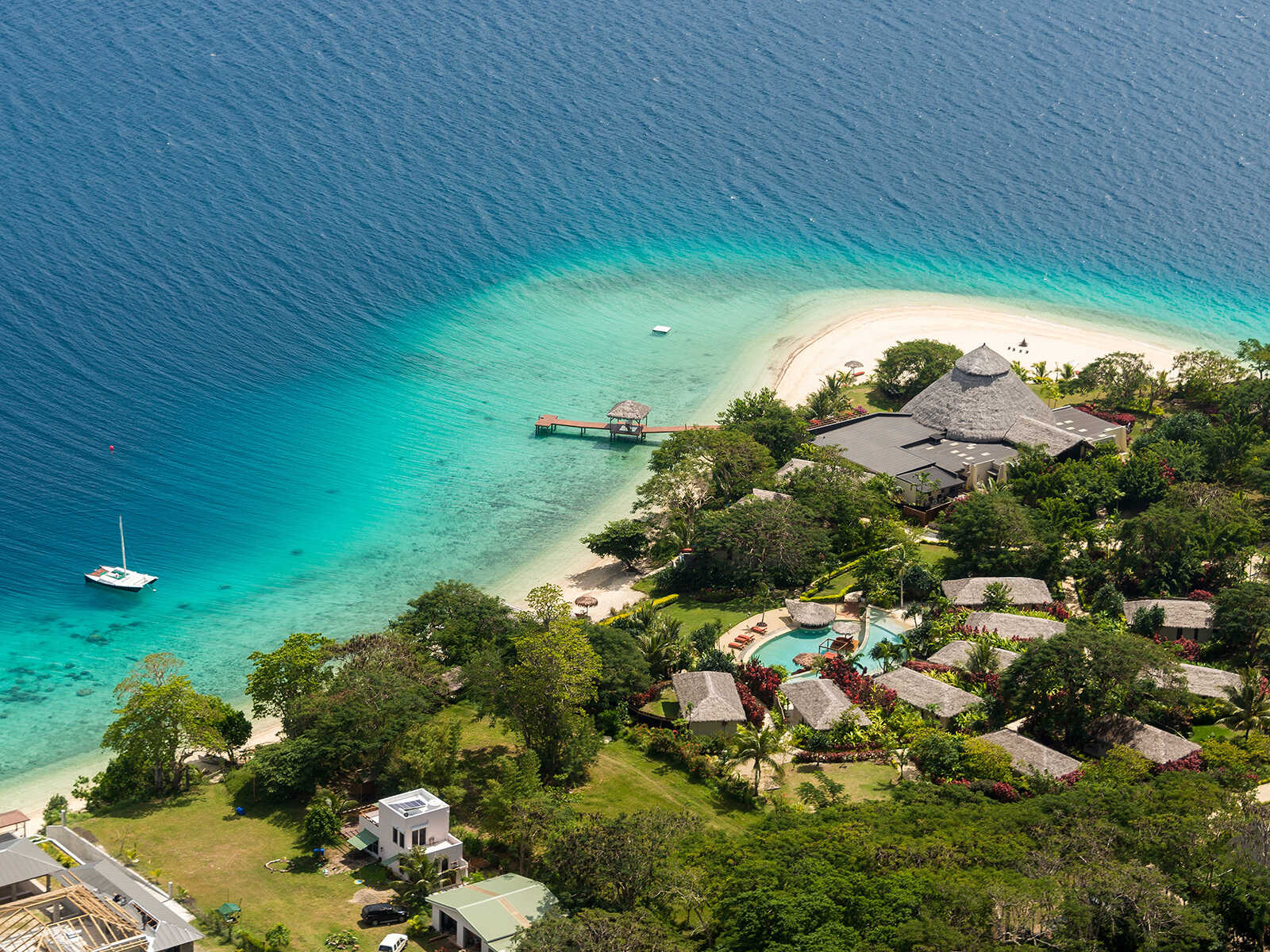
Getting Around Vanuatu: Comprehensive Transportation Guide
Vanuatu, an archipelago of 83 stunning islands in the South Pacific, offers an unparalleled travel experience. Navigating this diverse nation requires understanding its unique transportation network, which blends modern convenience with traditional island methods. From inter-island flights to local 'buses' and boats, this guide will help you confidently explore Vanuatu's breathtaking landscapes and vibrant culture.
Inter-Island Travel: Connecting the Archipelago
Given Vanuatu's geography, moving between islands is a key part of any itinerary.
Domestic Flights
The most efficient way to hop between Vanuatu's main islands is by air.
Air Vanuatuoperates regular services connecting the capital, Port Vila (Efate), with key destinations like Luganville (Espiritu Santo), Tanna (for Yasur Volcano), and Malekula, among others. These flights offer spectacular aerial views of the islands and dramatically cut down travel time compared to sea.
- Booking:It's highly recommended to book domestic flights in advance, especially during peak season, as planes are smaller and fill up quickly.
- Luggage:Be mindful of luggage weight restrictions, which are often stricter on domestic routes than international flights.
Cargo Ships and Passenger Ferries
For a more adventurous and often more economical option, cargo ships and smaller passenger ferries ply routes between the islands.
While slower and less predictable than flights, these vessels offer a unique insight into local life and commerce. Services connect Efate with Espiritu Santo, Malekula, Pentecost, and other islands. Some even reach remote spots like Mystery Island.
- Schedule:Schedules can be erratic and dependent on weather and cargo. Enquire locally at the wharf or through your accommodation for the most up-to-date information.
- Comfort:Facilities are basic, but the experience of traveling with locals and goods can be memorable.
Travel Tip:Embrace the "island time" mentality when relying on cargo ships. Delays are common, so build flexibility into your itinerary.
Getting Around Major Islands
Once you've landed on a larger island like Efate(home to Port Vila) or Espiritu Santo (Luganville), a variety of transport options are available.
Taxis and Minibuses (Buses)
On Efate and Espiritu Santo, taxis and minibuses are the most common forms of public transport. Minibuses, locally known simply as "buses," are privately owned vans that operate on flexible routes.
- Taxis:Readily available in urban areas. Always confirm the fare before starting your journey, as meters are rare.
- Buses:Identified by a "B" on their license plate. There are no fixed stops or routes; simply flag one down. Tell the driver your destination, and if it's broadly on their way, they'll pick you up. Expect to share with other passengers. They're a fantastic way to reach popular spots like Blue Lagoon,Eton Beach, or Evergreen Cascades Waterfall on Efate.
Rental Cars and 4x4s
Renting your own vehicle offers the ultimate freedom to explore at your own pace. This is particularly appealing on Efate and Espiritu Santo, where you can embark on scenic drives to attractions like Rarru Rentapao River Cascade or Champagne Beach.
- Road Conditions:While main roads around Port Vila and Luganville are generally paved, conditions can deteriorate quickly outside urban areas. Many roads are unsealed, especially towards more remote attractions. A 4x4 is highly recommended if you plan to venture off the main routes or visit places like Yasur Volcano on Tanna.
- Driving Side:Traffic drives on the right-hand side of the road in Vanuatu.
- Permits:A valid international driving permit or your home country's license is usually sufficient.
Motorbikes and Scooters
For shorter distances or a more adventurous feel, motorbikes and scooters can be rented in Port Vila and Luganville. They offer flexibility but require caution due to varying road conditions.
- Safety:Always wear a helmet and ensure you are comfortable riding on unsealed roads.
Walking and Bicycles
For exploring towns and immediate surroundings, walking is often the best way to soak in the local atmosphere. Bicycles can be rented from some resorts or guesthouses, offering a leisurely way to discover nearby villages and beaches.
Getting Around Remote Islands and Specific Locations
Away from the main hubs, transportation becomes more rudimentary and relies heavily on local ingenuity.
Local Transport (Utes and Trucks)
On smaller, less developed islands like Tanna or outer islands of Espiritu Santo, public transport as you know it is scarce. Instead, locals often use open-backed utility vehicles (utes) or small trucks to transport people and goods. These operate on an informal basis, picking up passengers heading in the same general direction.
- Experience:This is an authentic way to travel and interact with locals, but be prepared for a bumpy ride and limited space.
- Negotiation:Agree on a price beforehand.
Boats and Outriggers
For accessing coastal villages, remote beaches, or even smaller islets like Mystery Island, boats are indispensable. From traditional outrigger canoes to small speedboats, these water taxis are often the only way to reach certain destinations.
- Charters:Many resorts and local operators offer boat charters for snorkeling trips, island hopping, or reaching specific dive sites.
- Safety:Ensure the boat is seaworthy and life jackets are available.
Important Transportation Tips for Travelers
Safety and Road Conditions
Always prioritize safety. While Vanuatu is generally a safe country, road conditions outside major towns can be challenging. Drive defensively, especially on unsealed roads, and avoid night driving where possible due to poor lighting and wandering livestock.
Booking in Advance
For domestic flights and popular tours, booking ahead is crucial, particularly during peak travel periods. This ensures availability and often better rates.
Local Etiquette
A smile and a friendly "Halo" (hello in Bislama) go a long way. Be respectful of local customs, especially when traveling through villages. If you're unsure about a fare, ask your accommodation for guidance.
Cash is King
While major hotels and tour operators in Port Vila and Luganville accept cards, many smaller businesses, local transport providers, and rural areas operate on a cash-only basis. Always carry sufficient Vatu (Vanuatu's currency).
Embrace Flexibility
Vanuatu operates on "island time." Schedules can change, and delays can occur. Approaching your travels with a flexible and patient mindset will ensure a more enjoyable experience.
Exploring Vanuatu is an adventure in itself, and understanding its transportation landscape is key to unlocking its many treasures. Whether you're soaring above turquoise waters, bumping along a dirt track, or gliding in a traditional canoe, each journey offers a unique glimpse into the heart of this captivating South Pacific nation.