
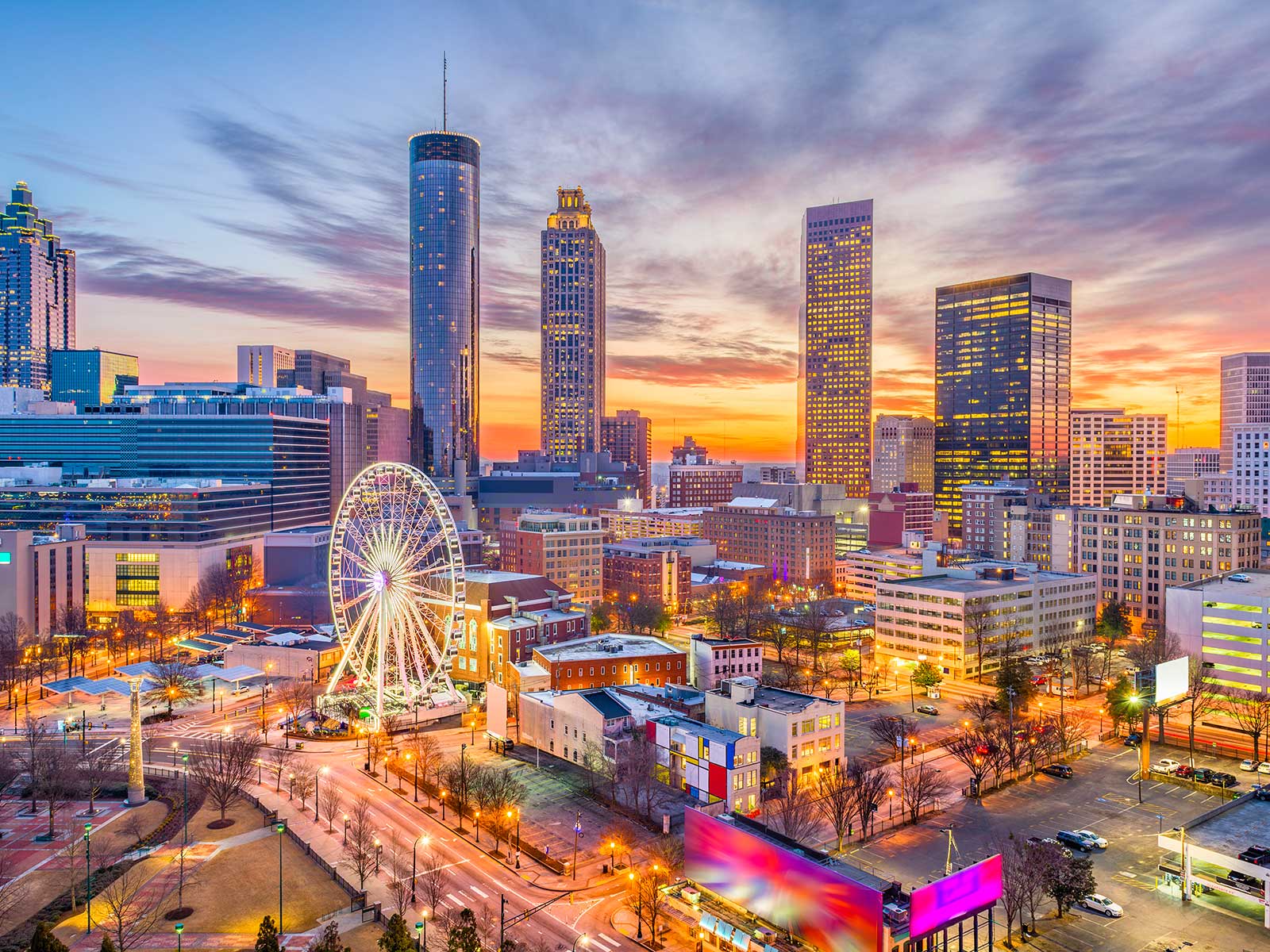
Best Time to Visit USA: Region-by-Region Weather Guide
The United States is a vast country, spanning diverse climates from tropical islands to arctic tundra, arid deserts to lush rainforests. Understanding its regional weather patterns is key to planning the perfect trip, ensuring you experience each destination at its most beautiful and accessible.
Whether you're chasing sunshine, autumn foliage, or fresh powder, this guide will help you pinpoint the ideal season for your American adventure, region by region.
Overall Considerations for USA Travel
While specific recommendations vary by region, a few general principles apply to nationwide travel.Spring (April-May) and Fall (September-October)are often considered "shoulder seasons" across many parts of the USA. During these times, temperatures are typically mild, crowds are thinner than in peak summer, and prices for accommodations and flights can be more favorable.
Summer (June-August)is peak travel season for most of the country, offering warm weather perfect for beaches, national parks, and outdoor activities, but also bringing larger crowds and higher costs.Winter (November-March)can be ideal for snow sports enthusiasts or those seeking warmer escapes in the southern states, but many northern attractions may be closed or have limited access.
Travel Tip:Always check local forecasts closer to your travel dates, as weather can be unpredictable, especially in mountainous regions or during transitional seasons.
Northeast: Four Distinct Seasons
This region, encompassing New England, New York, and the Mid-Atlantic states, experiences a full spectrum of seasons.
- Spring (April-May):Pleasant temperatures, blooming flowers, and fewer crowds make it great for city exploration.
- Summer (June-August):Warm and humid, perfect for coastal escapes, lake activities, and vibrant city life.
- Fall (September-October):The quintessential time to visit.Crisp air, brilliant fall foliage, especially in New England, draws visitors from around the globe.
- Winter (November-March):Cold and snowy, ideal for winter sports, cozy city breaks, or enjoying holiday festivities.
Southeast: Warmth, Humidity, and Hurricanes
From Florida's beaches to the Appalachian foothills, the Southeast is generally warm to hot, with high humidity in summer.
- Spring (March-May):Highly recommended.Mild temperatures, lower humidity, and blooming gardens. Excellent for exploring cities and natural areas like the Great Smoky Mountains National Park.
- Summer (June-August):Hot and very humid. Frequent afternoon thunderstorms are common, and it's hurricane season, especially for coastal areas from June to November.
- Fall (September-November):Pleasant temperatures return, and the risk of hurricanes diminishes towards late fall.
- Winter (December-February):Mild in most areas, with Florida offering reliably warm temperatures, making it a popular winter escape.
Midwest: Lakes, Plains, and Heartland
The Midwest experiences hot, humid summers and cold, snowy winters, with generally mild shoulder seasons.
- Spring (April-May):Mild and green, with occasional rain showers. Good for city visits and early outdoor activities.
- Summer (June-August):Warm to hot, perfect for enjoying the Great Lakes, outdoor festivals, and exploring rural landscapes.
- Fall (September-October):A beautiful time.Crisp air, colorful foliage, and pleasant temperatures ideal for scenic drives and exploring charming towns.
- Winter (November-March):Bitterly cold with significant snowfall, making it a season for indoor activities or winter sports.
Southwest: Desert Heat and Stunning Landscapes
This region, including Arizona, Utah, Nevada, and parts of California, is characterized by arid climates, hot summers, and mild winters. It's home to some of the most iconic national parks.
- Spring (March-May) & Fall (September-November):The absolute best times to visit.Temperatures are comfortable for hiking and exploring, with clear skies. Ideal for Grand Canyon National Park,Zion National Park,Bryce Canyon National Park,Arches National Park,Monument Valley,Horseshoe Bend, and Joshua Tree National Park.
- Summer (June-August):Extremely hot, with temperatures often exceeding 100°F (38°C), making daytime outdoor activities challenging or dangerous.
- Winter (December-February):Mild and sunny during the day, but nights can be cold, especially at higher elevations. Some park roads or trails may close due to snow.
Rocky Mountains: Majestic Peaks and Outdoor Adventures
States like Colorado, Montana, Wyoming, and Idaho offer stunning mountain scenery and are a haven for outdoor enthusiasts. High elevations mean cooler temperatures and distinct seasons.
- Spring (April-May):Variable weather, with melting snow creating beautiful waterfalls but also muddy trails. Ski season often extends into April.
- Summer (June-September):Peak season.Warm, sunny days perfect for hiking, camping, and exploring parks like Rocky Mountain National Park,Yellowstone National Park,Grand Teton National Park, and Glacier National Park.
- Fall (September-October):Crisp air, golden aspen trees, and fewer crowds. A fantastic time for scenic drives and wildlife viewing.
- Winter (November-April):Cold and snowy, transforming the region into a winter wonderland perfect for skiing, snowboarding, and snowshoeing.
Pacific Northwest: Green Forests and Coastal Beauty
Oregon and Washington are known for their lush greenery, often thanks to abundant rainfall, especially outside of summer.
- Spring (April-May):Mild and wet, with blossoming flowers and fewer tourists.
- Summer (June-September):The best time to visit.Warm, dry, and sunny, ideal for hiking, exploring cities like Seattle and Portland, and visiting natural wonders like Crater Lake National Park or Redwood National Park.
- Fall (October-November):Cooler temperatures and increasing rainfall, but with beautiful autumn colors.
- Winter (December-March):Mild and wet along the coast and in lowlands, with significant snowfall in the mountains, offering excellent skiing opportunities.
California: Diverse Microclimates
California's vastness means its weather varies dramatically. Coastal areas are generally mild year-round, while inland regions can experience extreme heat or cold.
- Coastal California (San Francisco to San Diego):
- Year-round:Mild temperatures. Spring and Fall offer the clearest, most pleasant weather, avoiding the "June Gloom/May Gray" fog common in early summer in some areas.
- Ideal for exploring cities, wine regions, and coastal drives. Don't forget to visit Channel Islands National Park.
- Inland California (e.g., Central Valley, Sierra Nevada):
- Spring & Fall:Best for visiting national parks like Yosemite National Park and Sequoia National Park, with pleasant hiking weather and fewer crowds.
- Summer:Hot and dry, especially in the Central Valley and desert regions. High country in the Sierras is accessible and popular.
- Winter:Snow in the mountains, excellent for skiing; mild in the Central Valley.
- Silicon Valley:Generally mild Mediterranean climate, with pleasant, dry summers and mild, wet winters, making it accessible year-round for business or tech-related visits.
Alaska: The Last Frontier
Alaska's weather is extreme, with short, intense summers and long, cold winters. Timing is crucial for most visitors.
- Summer (June-August):The prime travel season.Long daylight hours, milder temperatures (50-70°F / 10-21°C), and most attractions and roads are open. Perfect for wildlife viewing, cruising, and visiting Kenai Fjords National Park.
- Spring & Fall (May, September):Shoulder seasons offer fewer crowds and potentially lower costs, but weather is more unpredictable, and some services may be limited. September is excellent for fall colors and aurora viewing.
- Winter (October-April):Extremely cold, with short daylight hours. Best for aurora borealis viewing, dog sledding, and winter sports, but many tourist facilities are closed.
Hawaii: Tropical Paradise
Hawaii boasts a consistent tropical climate year-round, with relatively minor seasonal variations.
- Year-round:Temperatures average 75-85°F (24-29°C). There are two main seasons:
- Dry Season (April-October):Slightly warmer, with less rainfall, especially on the leeward (west and south) sides of the islands. Ideal for beach activities and hiking, including exploring Hawai’i Volcanoes National Park.
- Wet Season (November-March):Cooler, with more frequent rainfall, particularly on the windward (east and north) sides. Showers are usually brief, followed by sunshine. This season can bring larger waves for surfing.
- Peak Tourist Times:Mid-December to March, and June to August, bringing more crowds and higher prices regardless of weather.
Plan Your Perfect USA Adventure
The United States offers an incredible array of experiences, each enhanced by visiting during its optimal weather window. By considering the regional climate variations, you can tailor your trip to enjoy everything from sun-drenched beaches and vibrant cities to majestic mountains and serene deserts, ensuring an unforgettable journey across this diverse nation.