
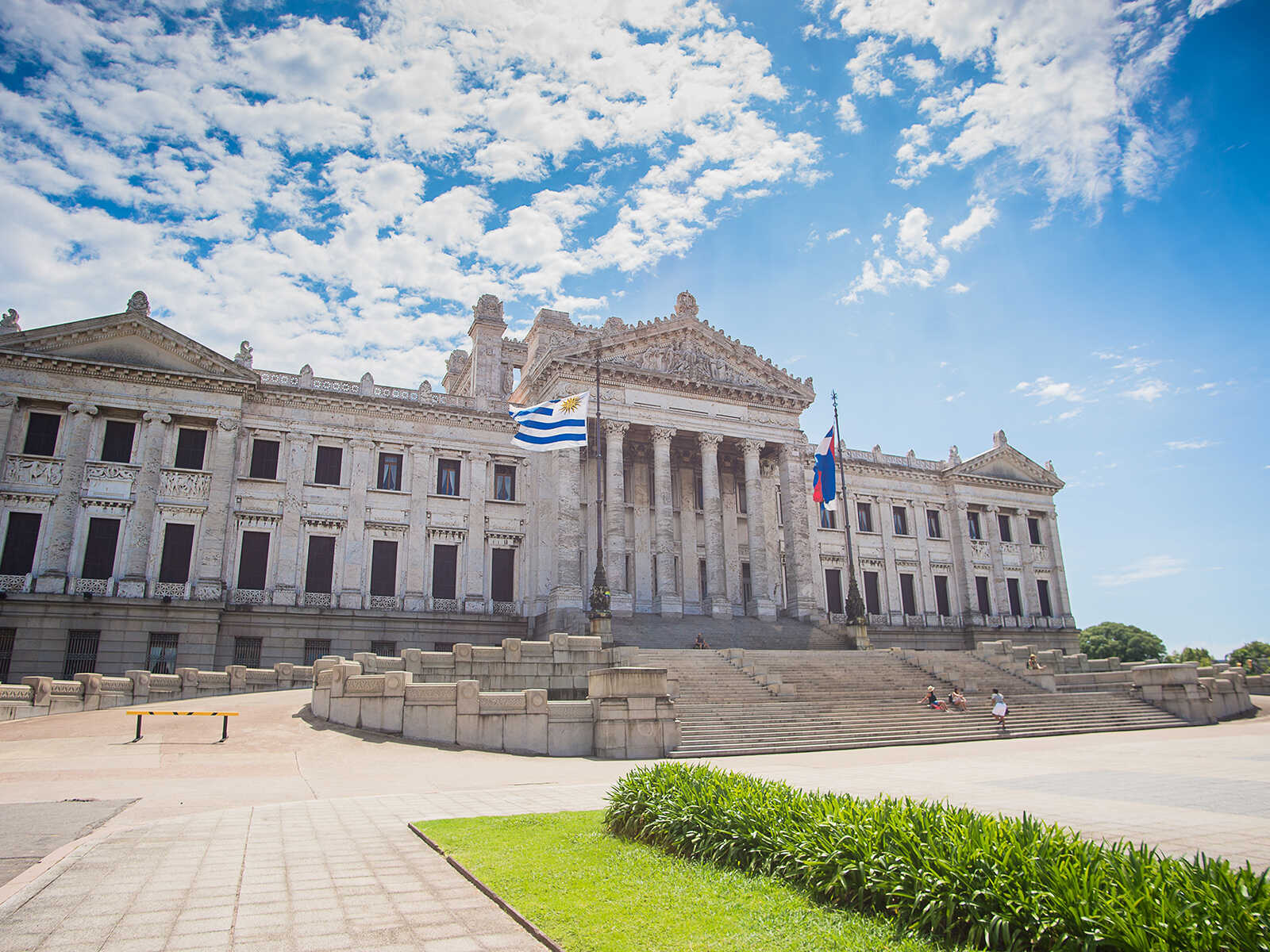
Discovering Uruguayan Art and Architecture: From Solís Theatre to Casapueblo
Uruguay, a nation celebrated for its captivating landscapes and vibrant culture, also offers a profound journey through its diverse art and architecture. From the neoclassical grandeur of its capital to the organic, sculpted forms along its coastline, the country showcases a fascinating blend of historical influences and creative ingenuity.
Montevideo: A Capital Canvas of Styles
Montevideo, Uruguay's bustling capital, serves as a living museum of architectural styles, reflecting centuries of European influence blended with local innovation. Its streets tell stories through their facades, from colonial remnants to Art Deco masterpieces.
The Grandeur of Solís Theatre
At the heart of Montevideo's cultural scene stands the majestic Solís Theatre, Uruguay's oldest and most significant theatre. Inaugurated in 1856, this neoclassical gem is a testament to the city's rich artistic heritage. Its impressive facade, grand interior, and superb acoustics make it a must-visit for any architecture or culture enthusiast. Located just off Plaza Independencia, it remains a vibrant hub for opera, ballet, and theatre performances.
Tip:Even if you can't catch a show, guided tours of the Solís Theatre are highly recommended to appreciate its opulent interiors and learn about its storied past. Check their official website for schedules.
Iconic Landmarks: Palacio Salvo and Beyond
Adjacent to Plaza Independencia, the towering Palacio Salvo dominates Montevideo's skyline. Completed in 1928, this eclectic skyscraper, once the tallest building in South America, is a striking blend of Art Deco, Gothic, and neoclassical elements. Its intricate details and formidable presence make it an undeniable architectural icon.
Exploring the Ciudad Vieja (Old City) reveals a charming labyrinth of colonial-era buildings, cobblestone streets, and renovated squares. Here, you'll find a mix of Spanish colonial houses, Art Nouveau facades, and modern renovations, offering a glimpse into Montevideo's layered history. Notable buildings include the Catedral Metropolitana and the Cabildo de Montevideo, both reflecting the city's early governmental and religious structures.
Street Art and Urban Expressions
Beyond its monumental architecture, Montevideo pulsates with a vibrant contemporary art scene, particularly evident in its prolific street art. Neighborhoods like Palermo, Cordón, and Ciudad Vieja are adorned with colorful murals and thought-provoking graffiti, transforming urban spaces into open-air galleries. These artistic expressions often convey social commentary, cultural narratives, and a distinct Uruguayan identity, adding a dynamic layer to the city's visual landscape.
Beyond the Capital: Colonial Charms and Coastal Visions
Uruguay's artistic and architectural prowess extends far beyond Montevideo, offering diverse experiences from historic towns to modern coastal resorts.
Colonia del Sacramento: A Walk Through History
A short ferry ride across the Río de la Plata transports visitors to Colonia del Sacramento, a UNESCO World Heritage site celebrated for its impeccably preserved historic quarter. Founded by the Portuguese in 1680, then contested and ruled by the Spanish, its architecture uniquely blends both influences. Wander through its narrow, cobblestone streets, admire the colorful houses, and visit the iconic lighthouse and old city gate. The relaxed pace and picturesque settings make it a photographer's dream, showcasing a bygone era.
Punta del Este: Modernity by the Sea
Further east along the coast lies Punta del Este, Uruguay's glamorous resort city, renowned for its sleek, contemporary architecture and vibrant beachfront properties. Here, high-rise apartments and modern villas define the skyline, reflecting a more globalized, luxurious aesthetic. The city is also home to significant public art, most famously "La Mano" (The Hand) sculpture on Brava Beach, an iconic symbol of the city emerging from the sand.
The urban design of Punta del Este, with its wide avenues and carefully planned green spaces, complements the natural beauty of its beaches, such as Playa Mansa and Playa Brava. Even in areas like Playa de los Pocitos in Montevideo, modern architectural developments meet the coastline, creating a pleasant urban beach aesthetic.
Casapueblo: An Organic Masterpiece
Perhaps the most unique and breathtaking architectural marvel in Uruguay is Casapueblo, located in Punta Ballena, near Punta del Este. This "liveable sculpture" was the former home and workshop of renowned Uruguayan artist Carlos Páez Vilaró. Inspired by the mud nests of ovenbirds, Vilaró spent over 36 years shaping this whitewashed, organic structure directly into the cliffside overlooking the Atlantic Ocean.
Casapueblo defies conventional architectural styles, featuring no straight lines or rigid angles. Its labyrinthine interiors house a museum, an art gallery displaying Vilaró's works, and a hotel. Visiting Casapueblo is an immersive artistic experience, especially at sunset when Vilaró's "Ceremony of the Sun" a recorded poem, honors the day's end, a tradition that continues to this day. It stands as a powerful testament to personal vision and artistic freedom.
Practical Tips for Art and Architecture Enthusiasts
- Guided Tours:Consider joining a guided walking tour in Montevideo's Ciudad Vieja or Colonia del Sacramento to gain deeper insights into the history and significance of the buildings.
- Museums:Explore Montevideo's National Museum of Visual Arts (MNBA) for a comprehensive collection of Uruguayan art, or smaller galleries scattered throughout the cities.
- Best Time to Visit:Spring (September-November) and Autumn (March-May) offer pleasant weather for exploring on foot. Summer (December-February) is vibrant, especially in coastal areas like Punta del Este.
- Transportation:Public transport in Montevideo is efficient, and intercity buses connect all major towns. Renting a car offers flexibility for exploring sites like Casapueblo at your own pace.
Conclusion: A Journey Through Uruguayan Creativity
From the classical elegance of the Solís Theatre to the ancient charm of Colonia del Sacramento, and the unparalleled organic beauty of Casapueblo, Uruguay offers an incredibly rich and diverse architectural and artistic landscape. It's a country where history, nature, and human creativity converge, inviting travelers to discover its unique story through its captivating structures and vibrant artistic expressions.