
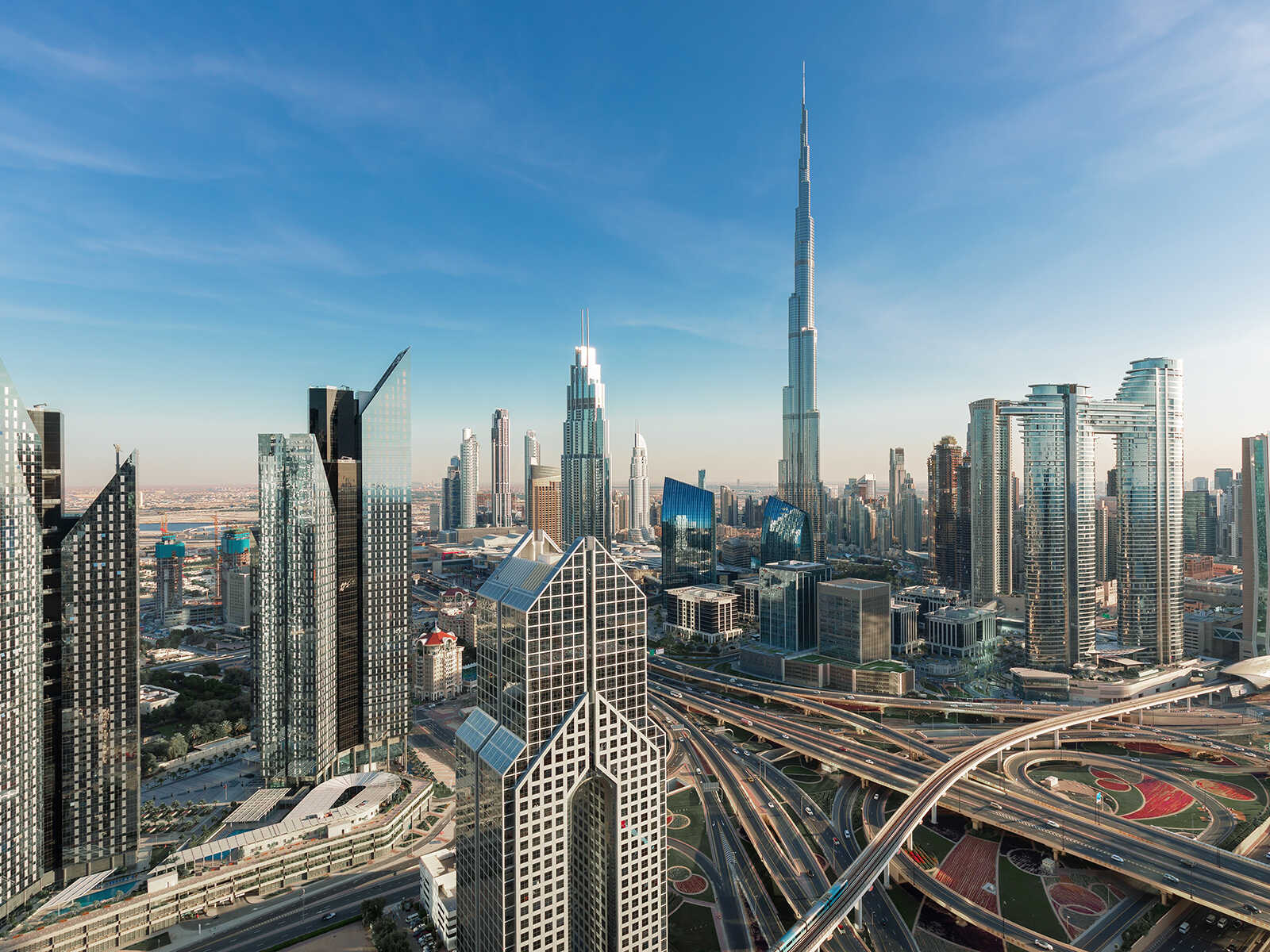
Guide to Public Transportation in UAE Cities
Navigating the vibrant cities of the United Arab Emirates is an experience made seamless and enjoyable thanks to its world-class public transportation networks. Boasting modern infrastructure and efficient services, the UAE offers a practical and eco-friendly way for both residents and tourists to explore its diverse landscapes and attractions.
The UAE has invested heavily in developing sophisticated public transport systems, particularly in its major urban centers like Dubai and Abu Dhabi. These systems are not just about getting from point A to point B; they are an integral part of the urban experience, reflecting the nation's commitment to innovation and sustainability. From futuristic metros to traditional abras, there's a mode of transport for every journey and preference.
Dubai: A Network of Modernity
Dubai's public transportation system is renowned globally for its efficiency, cleanliness, and advanced technology. It's a prime example of urban planning designed to enhance accessibility across the sprawling city.
The Dubai Metro
The Dubai Metro is the backbone of the city's public transport. As the world's longest driverless metro system, it offers a fast, reliable, and scenic way to travel. With its Red and Green lines, the Metro connects key residential areas, business districts, and tourist hotspots. The Red Line, for instance, provides direct access to iconic landmarks and shopping destinations, while the Green Line serves the older, more historical parts of the city, including areas near the Al Fahidi Historical District.
The Metro operates with separate cabins for women and children, as well as Gold Class compartments offering a premium experience. Its stations are meticulously clean, air-conditioned, and often feature striking architectural designs, making the journey itself part of the city's appeal.
Dubai Buses
Complementing the Metro, Dubai's extensive bus network covers areas not reached by the train lines. These air-conditioned buses offer comfortable rides, with many routes serving as feeder lines to Metro stations, ensuring comprehensive city-wide connectivity. They are an excellent option for reaching places like Jumeirah Beach or Kite Beach from various points in the city.
Dubai Tram
The Dubai Tram primarily serves the Dubai Marina, Jumeirah Beach Residence, and Al Sufouh areas. It provides a convenient loop service, connecting with the Red Line of the Metro at two stations, thereby extending the reach of public transport into key leisure and residential hubs.
Water Taxis and Abras
For a more traditional and picturesque mode of transport, Dubai's water taxis and abras (traditional wooden boats) offer unique ways to cross Dubai Creek. While water taxis provide modern comfort, the abras offer an authentic, historical experience, connecting Deira and Bur Dubai for a nominal fare. It's an essential experience when exploring the older parts of the city.
Nol Card: Your Key to Dubai's Transport
All public transport in Dubai operates on a unified payment system using theNol Card. Available in various types (Silver, Gold, Blue, Red Ticket), these smart cards can be purchased and topped up at metro stations, bus stations, and select retail outlets. Using a Nol Card simplifies travel, allowing seamless transfers between the Metro, buses, trams, and even some water transport services.
Did you know?The Dubai Metro is one of the most punctual public transport systems in the world, renowned for its on-time performance and high standards of service.
Abu Dhabi: Efficient Bus Networks and Taxis
While Dubai boasts its iconic Metro, Abu Dhabi's public transportation system is centered around its efficient bus network, supplemented by a robust taxi service. The capital city is designed with wide roads and well-planned routes, making navigation straightforward.
Abu Dhabi Buses
The Department of Transport in Abu Dhabi operates a comprehensive network of public buses that crisscross the city and connect to surrounding suburbs and regions. These modern, air-conditioned buses are a cost-effective way to travel, reaching major attractions such as the magnificent Sheikh Zayed Grand Mosque and the culturally rich Louvre Abu Dhabi. Bus stops are well-marked, and electronic displays provide real-time information.
Hafilat Card: Abu Dhabi's Travel Pass
Similar to Dubai's Nol Card, Abu Dhabi utilizes theHafilat Cardfor its bus services. This rechargeable smart card can be purchased and topped up at bus stations, customer service centers, and vending machines. It offers convenience and often better fares compared to single-journey tickets, making it essential for frequent travelers.
Sharjah and Other Emirates: Expanding Connectivity
Beyond Dubai and Abu Dhabi, other emirates are also developing and enhancing their public transportation options, primarily focusing on bus networks and taxi services to improve urban mobility.
Sharjah
Sharjah's public transport system, managed by the Sharjah Roads and Transport Authority (SRTA), features an extensive bus network connecting various parts of the emirate. These services are vital for residents and visitors, providing affordable travel within Sharjah city and to neighboring emirates. TheSayer Cardfacilitates easy payment across its bus network.
Ajman and Northern Emirates
In Ajman, public buses offer routes connecting key areas within the emirate and to other emirates like Sharjah and Dubai. For visitors looking to explore destinations like Ajman Beach, these buses provide a practical option. Ras Al Khaimah and Fujairah also operate local bus services, though on a smaller scale. For exploring natural wonders like Jebel Jais in Ras Al Khaimah or visiting sites like Snoopy Island and Al Bidya Mosque in Fujairah, taxis or ride-sharing services are often the most convenient choice, especially outside the main city centers.
General Tips for Using Public Transportation in the UAE
- Get a Travel Card:Always invest in the relevant smart card (Nol in Dubai, Hafilat in Abu Dhabi, Sayer in Sharjah) for seamless and often cheaper travel.
- Plan Your Route:Utilize official transport apps (e.g., RTA Dubai App, Darb App for Abu Dhabi) or Google Maps for real-time information on routes, timings, and connections.
- Observe Etiquette:Respect local customs. Many public transport options have designated sections for women and children, especially during peak hours.
- Be Mindful of Peak Hours:Public transport can get crowded during morning and evening rush hours (typically 7-9 AM and 5-7 PM). Plan accordingly if you prefer a quieter journey.
- Accessibility:UAE public transport systems are generally very accessible, with facilities for people of determination, including ramps, lifts, and designated seating.
Embrace the Journey: Benefits of Public Transport
Opting for public transportation in the UAE offers numerous advantages:
- Cost-Effective:It's generally more economical than relying solely on taxis or ride-sharing services, especially for frequent travel.
- Environmentally Friendly:Reducing your carbon footprint by choosing shared transport.
- Stress-Free:Avoid the hassle of parking and navigating unfamiliar roads. Let the system do the work.
- Cultural Immersion:Experience the local commute and observe daily life, offering a different perspective than private transport.
From the futuristic trains of Dubai connecting you to the Dubai Miracle Garden to the extensive bus networks of Abu Dhabi, the UAE offers a fantastic array of public transport options. Embracing these systems not only provides a convenient and efficient way to explore but also allows you to experience the country like a local. So, next time you visit, hop on a metro, bus, or even an abra, and enjoy the journey!