
Ugandan Culture & Customs: Respectful Travel Tips for Visitors
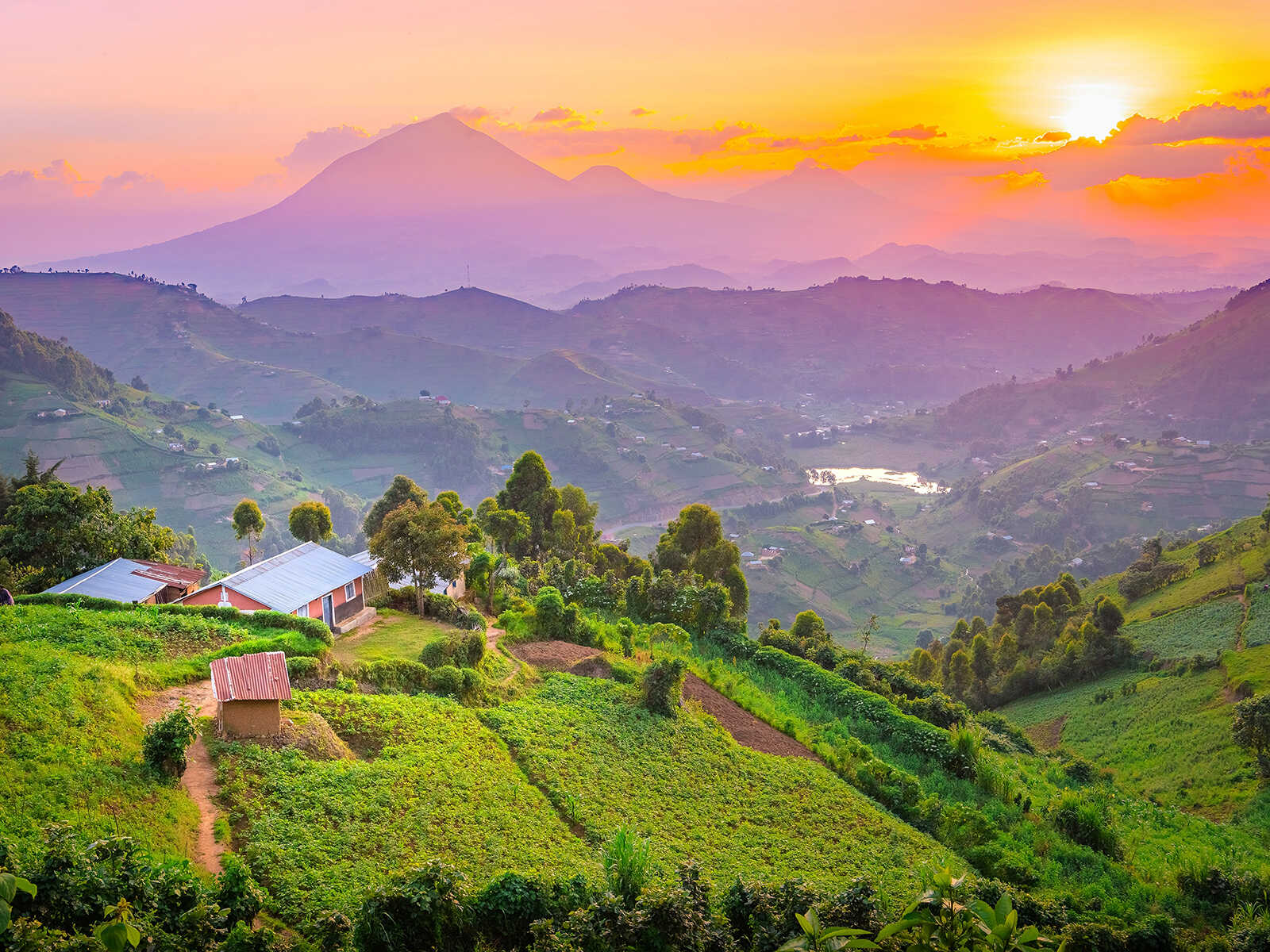
Uganda, the "Pearl of Africa," beckons with stunning landscapes and vibrant wildlife, but it's the warmth of its people and the richness of its culture that truly captivate. Understanding and respecting local customs is key to a meaningful and enriching journey through this diverse East African nation.
Embracing the Heart of Uganda: A Cultural Tapestry
Uganda is a nation of immense cultural diversity, home to over 50 distinct ethnic groups, each with its unique traditions, languages, and customs. Despite this variety, a strong sense of national identity, hospitality, and respect for elders and community values permeates throughout. Visitors who take the time to learn and observe will find themselves welcomed into the fabric of Ugandan life, creating unforgettable experiences beyond the usual tourist trails.
Greetings and Social Etiquette
First impressions matter greatly in Uganda, and a proper greeting is paramount.
The Power of a Polite Greeting
Always initiate interactions with a friendly greeting. A simple "Oli otya?" (How are you? - Luganda) followed by a handshake is customary. When shaking hands, use your right hand, and if you are greeting an elder or someone of higher status, it's polite to support your right forearm with your left hand as a sign of respect. Avoid direct eye contact with elders for extended periods, as it can sometimes be perceived as confrontational.
- Handshakes:They can be longer than in Western cultures, often involving a gentle grasp. It’s common for men to shake hands with men, and women with women. Introducing yourself and asking about the other person's well-being is fundamental before diving into any business or request.
- Addressing Elders:Use respectful titles like "Mzee" (for an older man) or "Mama" (for an older woman) even if you don't know their name.
Dress Code: Modesty is Key
Ugandans generally dress modestly, and visitors are encouraged to do the same, especially when visiting rural areas, religious sites, or government buildings.
Respectful Attire for All Occasions
For women, this means covering shoulders and knees. Skirts, dresses, or trousers that extend below the knee are appropriate. Revealing clothing can attract unwanted attention and may be seen as disrespectful. Men should opt for trousers and collared shirts, avoiding tank tops or overly casual wear in more formal settings.
Tip:When visiting religious sites like the Gaddafi National Mosque in Kampala or the Kasubi Royal Tombs, specific dress codes will be expected, and you may be offered wraps or coverings if your attire is deemed insufficient. Always carry a light shawl or scarf.
Visiting Homes and Communities
If you are invited into a Ugandan home, consider it a significant honor.
Embracing Ugandan Hospitality
- Removing Shoes:It is customary to remove your shoes before entering a home. Observe what others do.
- Accepting Refreshments:Always accept any offer of food or drink, even if you just take a small portion. Refusing outright can be seen as impolite. If you have dietary restrictions, politely explain them.
- Bringing a Gift:A small gift for the host (e.g., fruit, sugar, or tea) is a thoughtful gesture, though not strictly required.
- Eating Etiquette:In some rural settings, you might eat with your hands. Always use your right hand, as the left is traditionally considered unclean. Wait for the host or the eldest person to begin eating.
Photography Etiquette
Capturing memories is a big part of travel, but do so respectfully.
Picture Perfect Moments, Politely Captured
Always ask for permission before taking photos of individuals, especially children, or at private residences. A simple gesture or asking "Mbadde nsaba okukuba ekifaananyi?" (May I take a photo? - Luganda) goes a long way. Some people may decline, and their wishes should always be respected. Be particularly discreet when photographing sensitive areas like military installations or government buildings.
Bargaining and Shopping
Haggling is a common practice in markets but less so in established shops.
Navigating Markets with Grace
When shopping at local markets, such as those found near national parks like Queen Elizabeth National Park or tourist hubs, bargaining is expected, especially for souvenirs and crafts. Do so politely and with a smile. Start by offering about half to two-thirds of the asking price and negotiate towards a mutually agreeable figure. Remember, a few shillings might mean little to you but a lot to the vendor.
In fixed-price shops or supermarkets, prices are generally non-negotiable.
Tipping
Tipping is not traditionally ingrained in Ugandan culture but is increasingly appreciated, especially in the tourism sector.
Showing Appreciation for Service
For safari guides, porters (e.g., when trekking in Bwindi Impenetrable National Park for gorillas, or hiking the Rwenzori Mountains National Park or Mount Elgon), drivers, and hotel staff, a tip is a kind gesture for good service. There are no fixed rules, but guides and drivers often receive more due to their extensive service. Tip in local currency (Ugandan Shillings) when possible, or US dollars. Always give tips discreetly.
Language: A Bridge to Understanding
While English is the official language, making an effort to learn a few local phrases is highly appreciated.
Connecting Through Words
Luganda is widely spoken, especially in the central region around Kampala. Here are a few essential phrases:
- Hello:Oli otya?(singular),Muli mutya?(plural)
- I am fine:Gyendi
- Thank you:Webale
- Please:Mpaayo(when asking for something),Nkwagala okuziyiza(when requesting a favor)
- Yes:Yee
- No:Nedda
- Excuse me/Sorry:Nsonyiwa
Even a simple "Webale" with a smile can open doors and create warmer interactions with locals, whether you're exploring the markets of Kampala or enjoying a boat ride on Lake Bunyonyi.
Religious Sensitivity
Uganda is a predominantly Christian nation, with a significant Muslim minority and various traditional beliefs.
Respecting Diverse Faiths
Religious observance is a significant part of daily life for many Ugandans. Show respect for all places of worship and religious practices. Dress modestly when visiting churches or mosques, and be mindful of prayer times, especially in Muslim communities.
Gender Roles and Public Displays of Affection
Traditional gender roles are often more pronounced in Uganda than in many Western societies.
Cultural Norms in Public
Public displays of affection, such as kissing or intimate hugging between couples, are generally frowned upon and considered inappropriate. While it's common to see friends of the same gender holding hands as a sign of camaraderie, this is not indicative of romantic relationships. Respect these local sensitivities.
Interacting with Children
Ugandan children are often curious and friendly.
Mindful Interactions with Young Ones
It's natural to want to engage with children, but avoid giving them money or sweets directly, as this can encourage begging and create dependency. If you wish to contribute, consider donating to local schools or reputable community projects. A friendly wave and a smile are always welcome.
Environmental Stewardship
Ugandans have a deep connection to their land and natural resources.
Preserving the Pearl of Africa
When visiting natural wonders like Murchison Falls,Sipi Falls, or wildlife havens such as Kidepo Valley National Park and Lake Mburo, practice responsible tourism. Do not litter, stick to designated trails, and respect wildlife. Support local conservation efforts where possible.
Conclusion
Uganda offers an incredibly rich cultural experience, complementing its breathtaking natural beauty. By approaching your journey with an open mind, a respectful attitude, and a willingness to learn, you won't just witness Ugandan culture; you'll immerse yourself in it. These simple tips will help you navigate social interactions with confidence and foster genuine connections, making your visit to the Pearl of Africa truly unforgettable.