
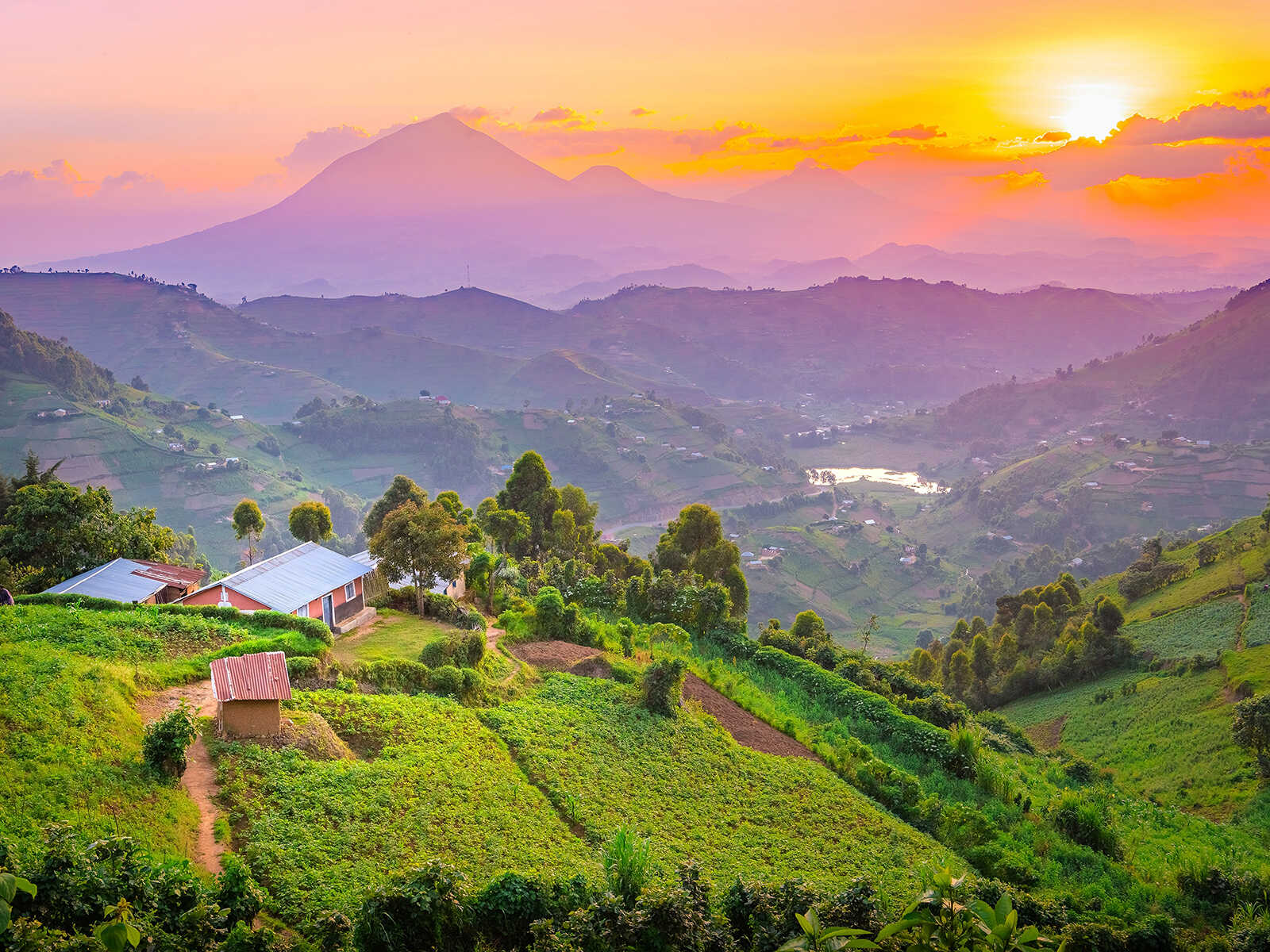
Uganda Travel Insurance: Essential Coverage for Your African Safari
Embarking on an unforgettable safari in Uganda, the "Pearl of Africa," promises breathtaking landscapes and incredible wildlife encounters. While planning your dream adventure, securing comprehensive travel insurance is an often-overlooked but absolutely crucial step to ensure peace of mind throughout your journey.
From tracking mountain gorillas in Bwindi Impenetrable National Park to exhilarating game drives in Queen Elizabeth National Park, unforeseen circumstances can arise. Travel insurance acts as your safety net, protecting you from potential financial burdens and ensuring you receive the best care should anything go awry.
Why Travel Insurance is Non-Negotiable for Your Uganda Trip
Uganda offers an incredible array of experiences, but like any international travel, it comes with inherent risks. Medical emergencies, trip cancellations, lost luggage, or unexpected delays can quickly turn a dream vacation into a nightmare without proper coverage. Here’s why travel insurance is particularly vital for Uganda:
- Remote Locations:Many safari destinations, such as Kidepo Valley National Park or areas around Murchison Falls, are remote. Access to immediate, high-quality medical facilities can be limited, making emergency evacuation coverage paramount.
- Adventure Activities:Gorilla trekking, chimpanzee tracking, white-water rafting on the Nile, or hiking in the Rwenzori Mountains National Park are thrilling but carry a higher risk of injury than typical leisure travel.
- Logistical Challenges:International travel can sometimes involve flight delays, missed connections, or lost baggage, all of which can be costly to resolve without insurance.
Key Types of Coverage You Must Consider
A good travel insurance policy for Uganda should be robust and tailored to the unique aspects of your trip. Look for policies that include:
Emergency Medical Expenses & Evacuation
This is arguably the most critical component. It covers costs associated with hospital stays, doctor visits, medication, and, most importantly, emergency medical evacuation. Given the remote nature of many Ugandan attractions, being airlifted to a major medical facility in Kampala or even out of the country might be necessary in severe cases. Ensure your policy covers both medical evacuation (transport to a suitable medical facility) and repatriation (return to your home country).
Trip Cancellation & Interruption
Life happens. If you or a family member falls ill, or unforeseen events like natural disasters or civil unrest force you to cancel your trip before departure, this coverage reimburses your non-refundable expenses (flights, accommodation, safari bookings). Trip interruption kicks in if your trip is cut short while you are already in Uganda, covering expenses for returning home early and lost trip costs.
Lost, Delayed, or Damaged Baggage
A common travel mishap, especially with multiple flights and transfers. This coverage helps replace essential items if your luggage is lost, stolen, or significantly delayed, allowing you to buy necessary toiletries and clothing without dipping into your safari budget. It also covers repair or replacement costs for damaged items.
Adventure Activities Coverage
Standard travel insurance often excludes high-risk activities. If your itinerary includes gorilla trekking, chimpanzee habituation, hiking Mount Elgon, or white-water rafting, confirm these specific activities are covered. You may need to purchase an additional rider or a specialized adventure sports policy. Read the fine print carefully!
Personal Liability
While hopefully never needed, personal liability coverage protects you if you accidentally injure someone or damage property belonging to a third party during your trip. This can be invaluable for unforeseen incidents.
Pre-existing Medical Conditions
If you have any pre-existing medical conditions, it is absolutely vital to declare them when purchasing your policy. Many standard policies exclude coverage for conditions not declared and approved, potentially leaving you uninsured for related emergencies. You may need to pay an additional premium for this waiver.
Travel Tip:When planning your gorilla trekking permit for Bwindi Impenetrable National Park or Mgahinga Gorilla National Park, remember these permits are non-refundable. Trip cancellation insurance can be a lifesaver if an unexpected event prevents you from going.
Choosing the Right Policy: What to Look For
Navigating the world of travel insurance can be daunting, but keeping these points in mind will help you find the best fit for your Uganda safari:
- High Coverage Limits:Medical costs, especially for evacuation, can be astronomical. Ensure your policy offers generous limits for emergency medical expenses (e.g., $100,000 to $500,000+) and evacuation (e.g., $250,000+).
- Reputable Provider:Choose an insurance company with a strong track record, positive reviews, and excellent customer service.
- 24/7 Emergency Assistance:You need a provider that offers round-the-clock support, as emergencies don't adhere to business hours. Ensure they can assist with medical referrals, language barriers, and logistical support.
- Direct Payment vs. Reimbursement:Some policies may pay providers directly, while others require you to pay upfront and seek reimbursement later. Direct payment is often preferable, especially for large medical bills.
- Policy Exclusions:Always read the exclusions section carefully. Common exclusions include acts of war, self-inflicted injuries, extreme sports not declared, or travel against government advisories.
- COVID-19 Coverage:In the current travel climate, confirm your policy provides coverage for COVID-19 related medical emergencies and, ideally, trip cancellation/interruption due to a positive test or quarantine requirements.
The Critical Role of Emergency Evacuation
While Uganda has medical facilities, the quality and accessibility can vary significantly, especially outside major cities like Kampala. If you suffer a serious injury or illness while on safari near Lake Mburo or tracking chimpanzees, immediate transfer to a well-equipped hospital is crucial. Emergency evacuation coverage ensures that you won't bear the immense cost of air ambulance services, which can run into tens of thousands of dollars.
Verify that your policy covers both inter-country medical evacuation (within Uganda, e.g., from a remote park to Kampala) and international medical evacuation (from Uganda to a hospital in your home country or a regional hub with advanced facilities).
Before You Buy: Key Considerations
Don't rush into purchasing travel insurance. A little preparation goes a long way:
- Understand Your Itinerary:List all activities you plan to do, especially those considered adventurous, such as hiking to Sipi Falls or visiting Lake Bunyonyi. This helps identify necessary riders.
- Compare Policies:Get quotes from several reputable providers. Don't just look at the price; compare coverage limits, deductibles, and exclusions.
- Read the Fine Print:Seriously, this is crucial. Understand what is and isn't covered, the claims process, and any conditions.
- Purchase Early:Buy your insurance as soon as you make your first non-refundable deposit for your trip. This ensures you're covered for trip cancellation benefits from that moment.
What to Do If You Need to Make a Claim
Should an unfortunate event occur, knowing how to proceed can alleviate stress:
- Contact Your Insurer Immediately:Use the 24/7 emergency contact number provided. They can guide you on next steps, approve treatments, or arrange evacuations.
- Keep Detailed Records:Collect all relevant documents – medical reports, police reports (for theft), receipts for expenses, flight delay confirmations, and communication with airlines or tour operators.
- Don't Admit Fault:In liability situations, do not admit fault. Let your insurer handle communication.
While sites like the Gaddafi National Mosque or the Kasubi Royal Tombs offer cultural immersion, the core of a Ugandan safari often involves nature and adventure. Investing in the right travel insurance is not just an expense; it's an investment in your safety, peace of mind, and the overall enjoyment of your extraordinary African safari.