
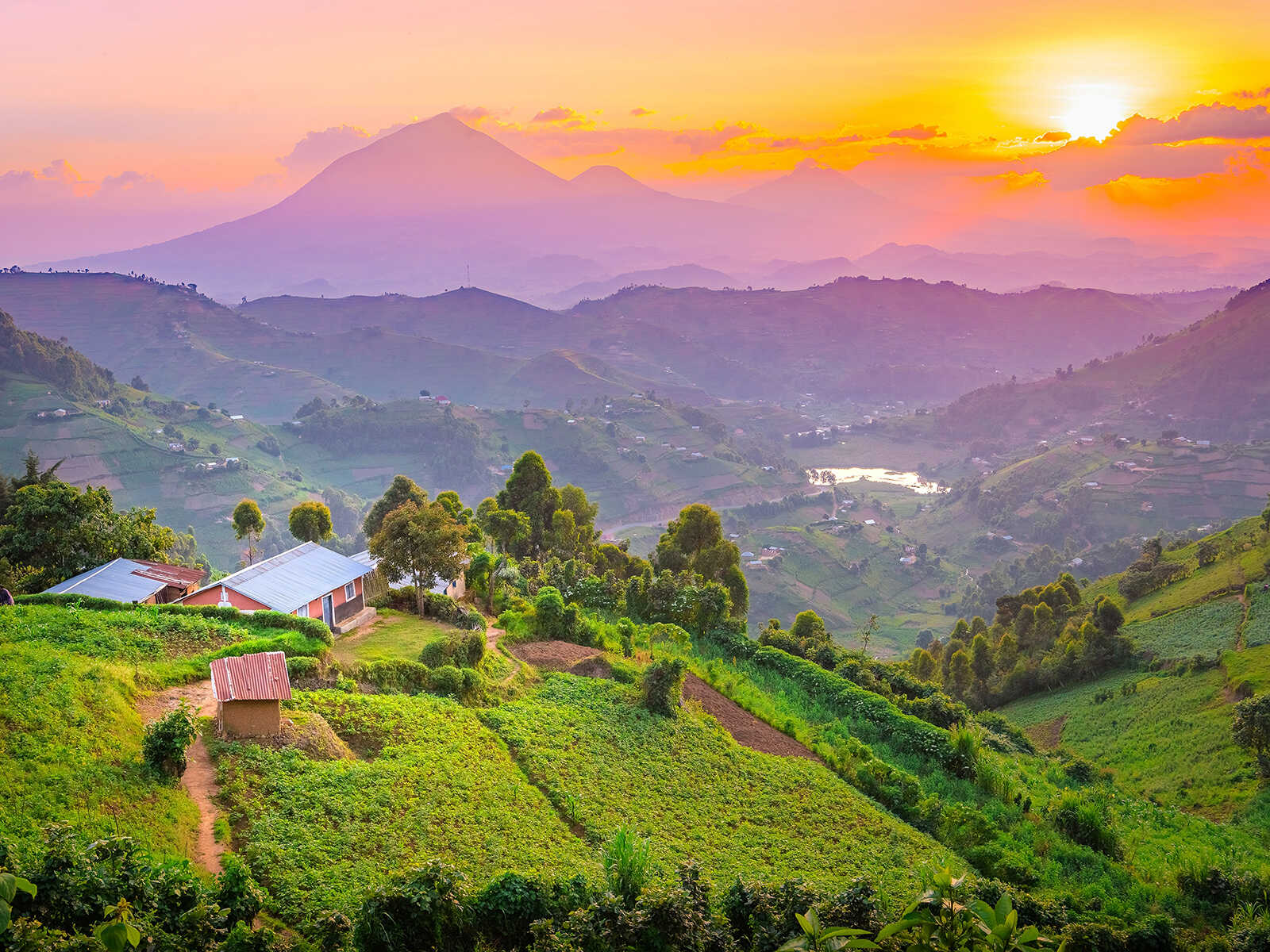
Uganda Gorilla Trekking Permits Guide: Booking & Essential Info
Embarking on a gorilla trekking adventure in Uganda is a truly once-in-a-lifetime experience, offering an unparalleled encounter with magnificent mountain gorillas in their natural habitat. Securing your gorilla trekking permit is the crucial first step to realizing this dream, acting as your gateway to the dense forests of the 'Pearl of Africa'. This comprehensive guide will walk you through everything you need to know about booking and preparing for your unforgettable journey.
Why a Gorilla Permit is Your Golden Ticket
A gorilla trekking permit is more than just an entry ticket; it's a vital contribution to the conservation of critically endangered mountain gorillas. Each permit grants you access to one of the designated national parks for a specific date and allows you to participate in a guided trek to find a habituated gorilla family. The funds generated directly support anti-poaching efforts, habitat protection, community development initiatives, and ongoing research, ensuring the survival of these incredible primates for future generations.
Where to Trek: Uganda's Gorilla Sanctuaries
Uganda is home to over half of the world's remaining mountain gorilla population, primarily residing in two magnificent national parks:
- Bwindi Impenetrable National Park:A UNESCO World Heritage Site, Bwindi is the most popular destination for gorilla trekking in Uganda. Its dense, ancient rainforest is famously home to a large number of habituated gorilla families. Treks here can range from moderate to challenging, with varying terrain. Bwindi is divided into four trekking sectors: Buhoma, Ruhija, Rushaga, and Nkuringo, each offering unique landscapes and access to different gorilla families.
- Mgahinga Gorilla National Park:Located in the far southwest of Uganda, Mgahinga is part of the larger Virunga Massif. While smaller than Bwindi, it offers a distinct trekking experience, often providing clearer views due to less dense vegetation. Mgahinga is also famous for its golden monkey trekking, making it a unique dual primate destination.
Booking Your Uganda Gorilla Permit: The Process
When to Book
Gorilla permits are highly sought after and limited to ensure minimal disturbance to the gorillas. It is highly recommended to book your permit at least6 to 12 months in advance, especially if you plan to travel during the peak seasons (June to September and December to February). Last-minute bookings are extremely rare and often depend on cancellations.
How to Book
There are two primary ways to secure your gorilla trekking permit:
- Directly through the Uganda Wildlife Authority (UWA):UWA is the governing body responsible for issuing all gorilla permits. You can contact their reservations office directly to inquire about availability and make a booking. This option requires more personal coordination regarding payment and permit collection.
- Through a Reputable Tour Operator:Most travelers choose to book their permits as part of a larger safari package with a registered tour operator. This is often the most convenient and recommended method. Tour operators handle all the logistics, including checking permit availability, making reservations, processing payments, and even collecting the physical permits on your behalf. They can also seamlessly integrate your gorilla trek with accommodation, transport, and other activities.
Expert Tip:While booking directly through the Uganda Wildlife Authority (UWA) is possible, most travelers find working with a reputable, local tour operator simplifies the entire process, from permit acquisition to accommodation and transport logistics. They often have real-time permit availability information and can offer valuable insights.
Information Needed for Booking
When booking your permit, you will typically need to provide:
- Your full names as they appear on your passport.
- Your passport number and nationality.
- Your preferred trekking date(s) and, if applicable, your preferred sector within Bwindi Impenetrable National Park.
Understanding Permit Availability and Allocation
To protect the gorillas and their habitat, a strict limit is placed on the number of permits issued daily. Each habituated gorilla family is typically visited by only one group of up to eight trekkers per day, for a maximum of one hour. This controlled access minimizes stress on the gorillas and reduces the risk of disease transmission.
Permits are allocated across the different sectors of Bwindi and in Mgahinga. Your chosen sector in Bwindi will determine your starting point and the specific gorilla families you might encounter. Your tour operator can help advise on the best sector based on your physical fitness and interests.
Essential Information for Your Trek Day
What Your Permit Includes
Your gorilla trekking permit grants you:
- Entry into the national park on the specified date.
- A mandatory briefing by park rangers.
- The services of experienced UWA ranger guides who lead your trek.
- One hour of direct viewing time with a habituated mountain gorilla family once located.
What to Expect on Trek Day
Your trek day will typically begin early with a briefing at the park headquarters. Here, you'll be assigned to a trekking group of eight individuals and introduced to your ranger guides. You'll also have the opportunity to hire porters, which is highly recommended. Porters not only assist with carrying your bag but also provide crucial support on challenging terrain, and their fees directly support local communities.
The trek itself can vary significantly in duration and difficulty, from 30 minutes to over 7 hours, depending on where the gorillas are located. You'll navigate through dense forest, over slippery slopes, and across streams. Once the gorilla family is found, you'll spend a magical hour observing them, maintaining a respectful distance.
Did you know?Mountain gorillas share over 98% of their DNA with humans, making encounters with them incredibly profound and often described as looking into a mirror.
Packing Essentials
Proper gear is crucial for a comfortable and safe trekking experience:
- Sturdy Hiking Boots:Waterproof and with good ankle support.
- Rain Gear:A lightweight rain jacket and trousers are essential, as weather in the rainforest is unpredictable.
- Long-Sleeved Shirt & Trousers:To protect against thorns, nettles, and insects.
- Gardening Gloves:To protect your hands while grasping vegetation.
- Hat:Wide-brimmed for sun protection or a beanie for warmth.
- Insect Repellent:With DEET.
- Water & Snacks:At least 2-3 liters of water; energy bars or fruit.
- Camera with Extra Batteries:Flash photography is strictly prohibited.
- Small Backpack:To carry your essentials.
- Walking Stick:Can be provided by the park or hired.
Best Time to Go Gorilla Trekking in Uganda
Uganda experiences two main seasons:
- Dry Seasons (June to September & December to February):Generally considered the best time for trekking due to drier trails and easier hiking conditions. The vegetation is also less dense, potentially offering better visibility. However, these are also peak seasons, meaning permits sell out faster.
- Wet Seasons (March to May & October to November):While trails can be muddier and more challenging, the wet seasons offer lush green landscapes, fewer tourists, and potentially more readily available permits. Photography can be particularly rewarding during these times, and wildlife is often more active.
Ultimately, gorilla trekking is a year-round activity in Uganda, and each season offers its unique advantages.
Beyond Gorillas: Combining Your Uganda Adventure
Uganda offers a wealth of incredible experiences beyond gorilla trekking. Consider extending your trip to explore more of the country's diverse landscapes and wildlife:
- Wildlife Safaris:Visit Queen Elizabeth National Park for tree-climbing lions, elephants, and chimps, or Murchison Falls National Park for its powerful waterfall and boat safaris. For a truly remote wilderness experience, head to Kidepo Valley National Park.
- Chimpanzee Habituation:Trekking for chimpanzees in Kibale Forest National Park offers another fascinating primate encounter.
- Adventure Activities:Explore the stunning Sipi Falls on Mount Elgon, or challenge yourself with mountaineering in Rwenzori Mountains National Park.
- Relaxation:Unwind by the serene waters of Lake Bunyonyi after your trek.
Securing your gorilla trekking permit is the pivotal step in planning an unforgettable journey to Uganda. With careful planning and booking in advance, you can look forward to a profound encounter with mountain gorillas, an experience that truly epitomizes the magic of Africa's 'Pearl'.