
Responsible Tourism in Uganda: How to Travel Sustainably
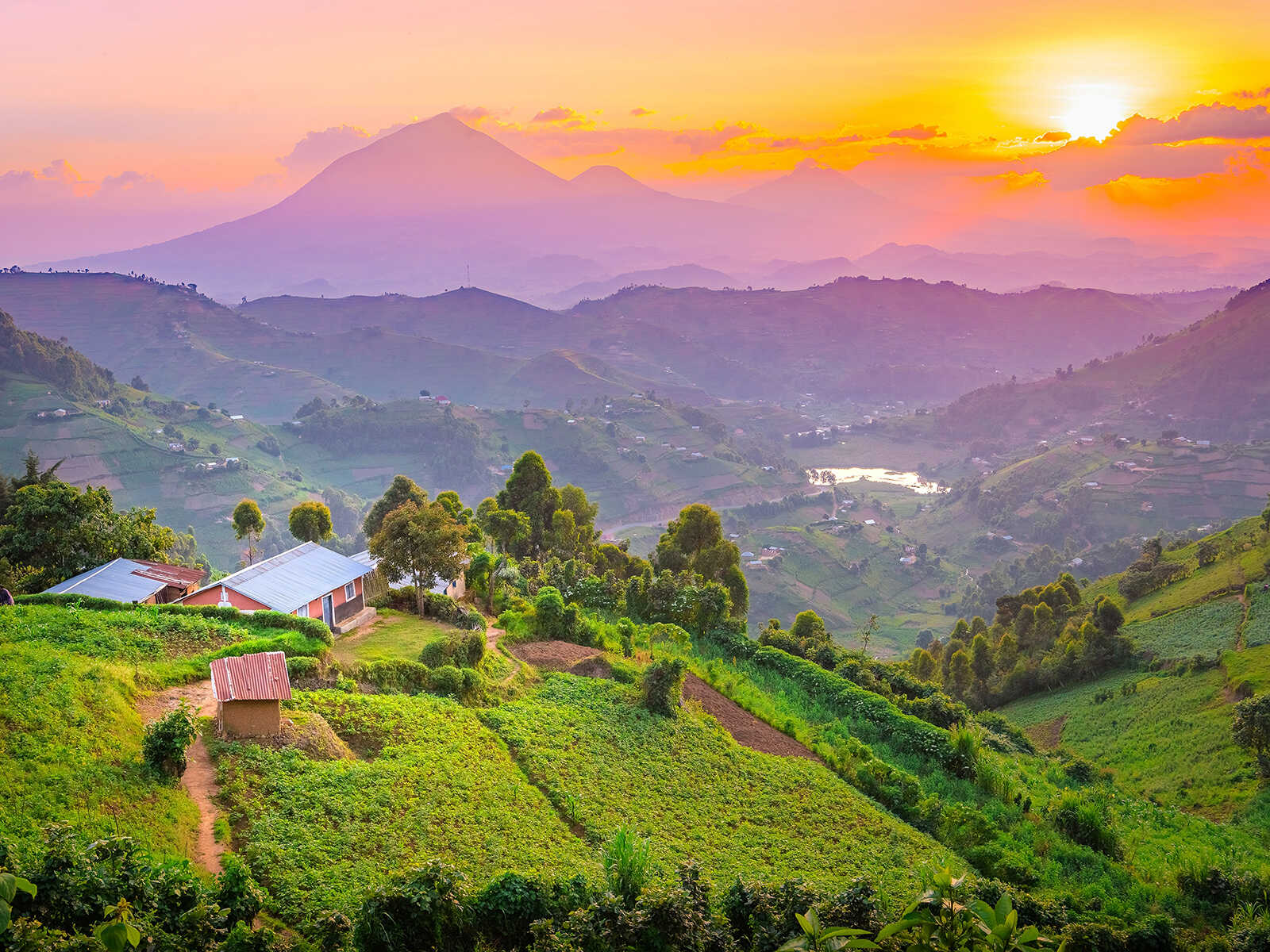
Uganda, the "Pearl of Africa," beckons travelers with its breathtaking landscapes, incredible wildlife, and vibrant cultures. As you plan your adventure to this remarkable country, embracing responsible tourism is paramount to ensure your journey contributes positively to its environment and communities, preserving its beauty for generations to come.
Why Responsible Tourism Matters in Uganda
Uganda is a land of extraordinary biodiversity, home to endangered mountain gorillas, chimpanzees, and a vast array of wildlife thriving in diverse ecosystems from dense rainforests to expansive savannas. However, like many developing nations, it faces environmental challenges and economic disparities. Your choices as a traveler have a direct impact on conservation efforts, local livelihoods, and the preservation of Uganda's natural and cultural heritage.
Responsible tourism isn't just about minimizing harm; it's about maximizing positive impact, ensuring that your adventure directly benefits the places and people you visit.
Choosing Responsible Tour Operators and Accommodation
The first step towards sustainable travel in Uganda is selecting partners who share your commitment. Look for tour operators and lodges that actively engage in ethical practices.
- Conservation Contributions:Do they contribute a portion of their profits to conservation projects, such as anti-poaching initiatives or habitat protection in areas like Bwindi Impenetrable National Park or Kidepo Valley National Park?
- Community Engagement:Do they employ local staff, pay fair wages, and invest in community development projects? Many lodges near national parks like Queen Elizabeth National Park or Murchison Falls actively support surrounding villages.
- Environmental Policies:Inquire about their waste management, energy conservation, and water usage policies. Are they minimizing their footprint?
- Certifications:While not always common in every region, look for any international or local certifications that indicate a commitment to sustainability.
Minimizing Your Environmental Impact
Every small action you take can make a difference in preserving Uganda's pristine environments.
Reduce, Reuse, Recycle
Plastic pollution is a global issue, and Uganda is no exception. Be mindful of your consumption:
- Bring a Reusable Water Bottle:Many lodges and tour operators now offer filtered water refills. This significantly reduces the need for single-use plastic bottles.
- Say No to Plastic Bags:Carry a reusable cloth bag for any purchases.
- Minimize Waste:Pack items with minimal packaging and take your non-biodegradable waste with you when possible, especially when trekking in areas like the Rwenzori Mountains National Park or Mount Elgon.
Conserve Water and Energy
Water and electricity can be scarce resources in many parts of Uganda.
- Shorten Showers:Be conscious of your water usage.
- Turn Off Lights and AC:When leaving your room, switch off lights and air conditioning.
- Unplug Devices:Even when not charging, devices can draw phantom power.
Choose Sustainable Transportation
While safaris often require 4x4 vehicles, consider eco-friendly alternatives where appropriate:
- Walk or Cycle:Explore local villages or areas like Lake Mburo on foot or by bicycle when offered by your lodge or guide.
- Support Public Transport:For shorter distances or cultural experiences, local public transport (like boda-bodas or matatus) can be an authentic, albeit sometimes adventurous, option if you're comfortable and safety permits.
Supporting Local Communities and Economies
Your visit can provide vital economic opportunities for Ugandans.
- Buy Local Crafts:Purchase souvenirs directly from artisans or community cooperatives. This ensures more money goes directly to the creators. Look for unique items near places like Sipi Falls or Lake Bunyonyi.
- Eat Local Food:Indulge in Ugandan cuisine at local restaurants and markets. It's a fantastic way to experience the culture and support local farmers and businesses.
- Hire Local Guides:Beyond your tour operator, consider hiring local guides for specific activities or village walks. Their knowledge is invaluable, and your payment directly benefits their families.
- Visit Community Projects:Some areas offer opportunities to visit schools, health clinics, or craft workshops supported by tourism. Engage respectfully and consider making a direct, transparent donation if you wish.
Respecting Culture and Wildlife
Uganda's rich cultural tapestry and diverse wildlife are its greatest treasures. Treat them with utmost respect.
Cultural Sensitivity
- Dress Modestly:Especially when visiting rural areas, religious sites like the Gaddafi National Mosque, or cultural heritage sites such as the Kasubi Royal Tombs, modest attire (covering shoulders and knees) is appreciated.
- Ask Before Photographing:Always seek permission before taking photos of people, especially children.
- Learn Basic Greetings:A simple "Jambo" (Swahili, widely understood) or "Oli otya?" (Luganda) can go a long way in connecting with locals.
- Bargain Respectfully:When shopping in markets, bargaining is common but do so with a smile and good humor.
Wildlife Etiquette
Wildlife viewing is a highlight of any Ugandan trip. Ensure your presence doesn't disturb the animals or their habitat.
- Maintain Distance:Always keep a respectful and safe distance from wildlife. Never attempt to feed or touch animals.
- Stay on Designated Paths:When walking or driving in national parks, stick to marked trails and roads to protect vegetation and minimize disturbance.
- Silence is Golden:Keep noise levels down to avoid startling animals, especially during game drives or forest walks.
- No Flash Photography:Flash can distress nocturnal animals and is generally prohibited during sensitive wildlife encounters, such as gorilla trekking.
Responsible Wildlife Encounters: Gorilla Trekking
Trekking to see mountain gorillas in Bwindi Impenetrable National Park is a life-changing experience and a cornerstone of Uganda's conservation efforts. Strict rules are in place to protect these magnificent creatures, who share over 98% of our DNA.
- Follow Your Guide's Instructions:Always adhere to the guidelines provided by your ranger and guide.
- Maintain Distance:A minimum distance of 7 meters (23 feet) is enforced to prevent the transmission of human diseases to the gorillas.
- Wear a Mask:This became a standard practice and remains vital to protect gorillas from airborne illnesses.
- Limit Your Time:Viewing time with the gorillas is typically limited to one hour to minimize stress on the family group.
- No Food or Drink:Eating or drinking near the gorillas is prohibited.
- Stay Home if Sick:If you are feeling unwell, especially with a cold or flu, you will not be permitted to trek to protect the gorillas.
Your permit fee for gorilla trekking directly funds conservation efforts, anti-poaching units, and community development projects, making it one of the most impactful ways to contribute to responsible tourism.
Packing Smart and Sustainable Souvenirs
What you pack and what you bring back can also reflect your commitment to sustainability.
- Eco-Friendly Toiletries:Choose biodegradable soaps, shampoos, and sunscreens to minimize chemical impact on local water systems.
- Minimalist Packing:Reduce your luggage weight to save fuel during transport.
- Ethical Souvenirs:Ensure any wildlife products are ethically sourced and legal. It's often best to stick to local crafts and art. Avoid items made from endangered species or illegal materials.
Leaving No Trace: A General Principle
The core principle of responsible tourism is to "leave no trace" – or even better, "leave it better than you found it." This means respecting the environment, wildlife, and local cultures, and striving to leave a positive impact wherever your travels take you.
Conclusion: Your Impact in the Pearl of Africa
Traveling responsibly in Uganda is not just a trend; it's a necessity. By making conscious choices, from selecting ethical operators to respecting local customs and minimizing your environmental footprint, you become an active participant in preserving the "Pearl of Africa" for future generations. Your sustainable journey ensures that the magic of Uganda endures, enriching both the lives of its people and the majesty of its wild places.