
Queen Elizabeth National Park Safari Guide: Tree-Climbing Lions & Kazinga Channel
Embark on an unforgettable adventure to Queen Elizabeth National Park, Uganda's most popular safari destination. Renowned for its incredible biodiversity, the park offers a captivating blend of savannas, wetlands, and forests, home to the iconic tree-climbing lions and the wildlife-rich Kazinga Channel.
Why Visit Queen Elizabeth National Park?
Queen Elizabeth National Park (QENP) is a jewel in Uganda's crown, offering a quintessential African safari experience with unique twists. Its diverse ecosystems support an astonishing array of wildlife, making it a must-visit for any nature enthusiast.
Diverse Ecosystems
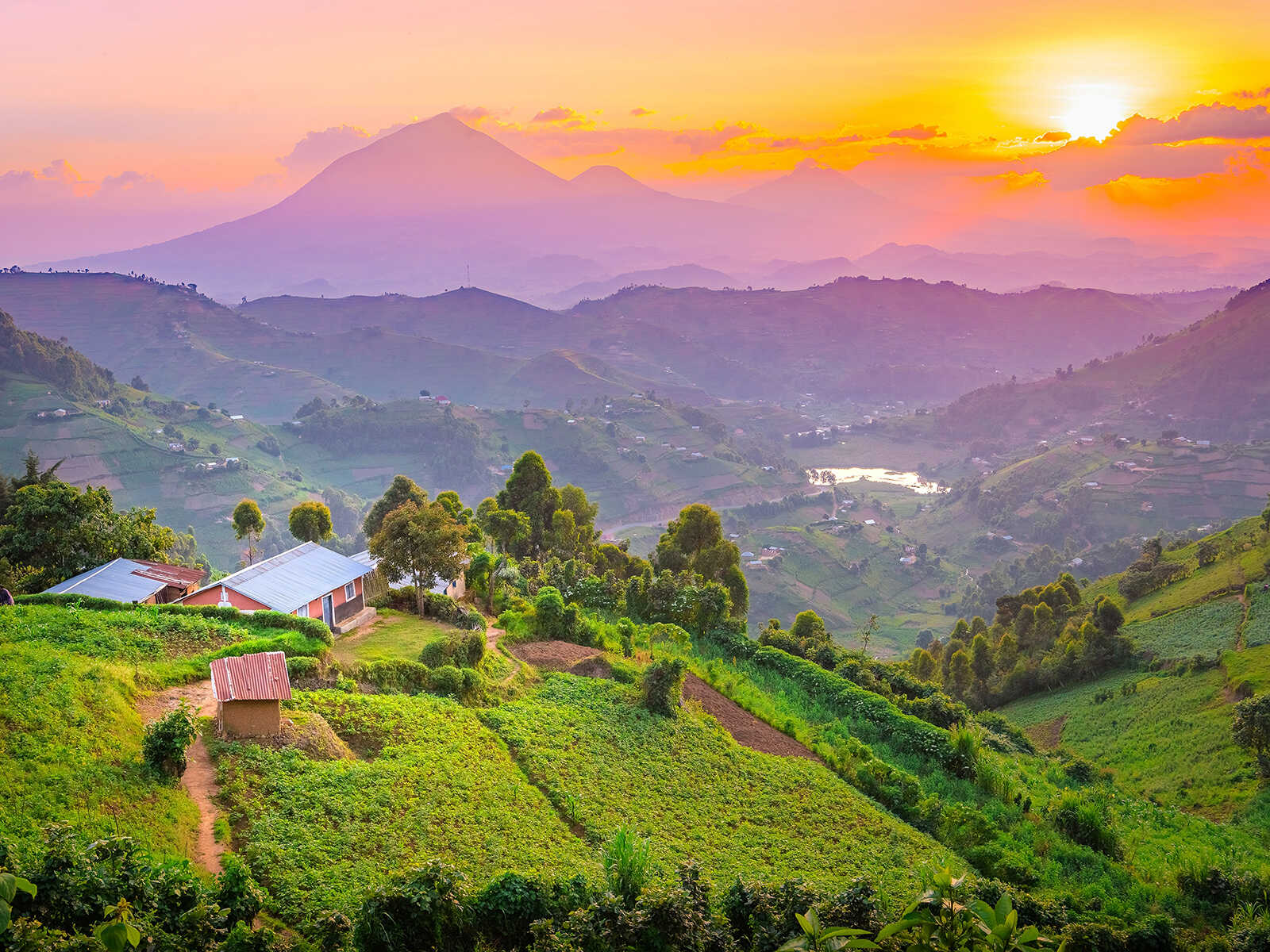
The park boasts a remarkable variety of habitats, including expansive savannas, fertile wetlands, dense forests, and numerous crater lakes. This ecological richness contributes to its status as one of the most biodiverse protected areas in the world, stretching from the foothills of the Rwenzori Mountains National Park in the north to the Ishasha Sector in the south.
Incredible Wildlife
QENP is home to over 95 mammal species and more than 600 bird species. Visitors can expect to see elephants, buffaloes, hippos, crocodiles, various antelope species, and primates. The park is particularly famous for its predators, including leopards, hyenas, and its legendary tree-climbing lions.
Unique Experiences
Beyond traditional game drives, QENP offers distinctive activities like boat safaris on the Kazinga Channel, chimpanzee tracking in Kyambura Gorge, and exploring the fascinating crater lakes. These varied experiences ensure a dynamic and memorable safari.
Key Attractions & Activities
Ishasha Sector: Home of the Tree-Climbing Lions
No visit to Queen Elizabeth National Park is complete without venturing into the remote Ishasha Sector. This southern part of the park is globally famous for its unique population of lions that habitually climb fig trees, a rare behavior believed to be a strategy to escape the heat, avoid biting tsetse flies, or gain a vantage point for spotting prey.
Fun Fact:While tree-climbing lions are also found in Tanzania's Lake Manyara National Park, Uganda's Ishasha Sector offers one of the best opportunities to witness this intriguing behavior in the wild.
Kazinga Channel Boat Safari
The Kazinga Channel is a natural 32-kilometer-long water channel connecting Lake Edward and Lake George. A boat safari here is often highlighted as the most rewarding wildlife viewing experience in the park. The channel shores teem with life:
- Large herds of elephants cooling off
- Hundreds of hippos wallowing in the water
- Nile crocodiles basking on the banks
- Buffaloes grazing peacefully
- An incredible array of waterbirds, including pelicans, cormorants, and various storks.
The boat trip offers unparalleled photo opportunities and a chance to observe wildlife up close from a different perspective.
Kasenyi Plains Game Drives
The vast Kasenyi Plains, located in the north-eastern part of the park, are the primary area for traditional game drives. These open savannas are ideal for spotting lions, leopards, Uganda kobs, warthogs, and various bird species. The flat terrain and sparse vegetation make wildlife viewing relatively easy, especially during early morning or late afternoon drives.
Kyambura Gorge Chimpanzee Tracking
For those seeking a primate adventure, Kyambura Gorge offers an exciting opportunity to track chimpanzees. This impressive 100-meter-deep "Valley of Apes" is a natural wonder, providing a lush forest habitat for primates within the park's savanna landscape. The trek through the gorge is challenging but rewarding, offering a chance to observe our closest relatives in their natural environment.
Crater Lakes Region
The western part of the park is dotted with numerous volcanic craters, many of which now hold picturesque lakes. Exploring this region provides stunning scenic views, opportunities for nature walks, and a chance to visit Katwe Salt Lake, where traditional salt mining has been practiced for centuries. It's a glimpse into both natural geological history and local human culture.
Birdwatching Paradise
With over 600 species, Queen Elizabeth National Park is a birder's dream. The varied habitats, from open savannas to dense forests and wetlands, attract a wide range of resident and migratory birds. Key species include the African skimmer, martial eagle, black-rumped buttonquail, and the striking pink-backed pelican.
Community & Cultural Experiences
Beyond wildlife, QENP offers opportunities to engage with local communities. Visitors can learn about traditional salt mining at Lake Katwe, experience local dances, or visit fishing villages along the Kazinga Channel. These interactions provide valuable insights into the lives and cultures of the people living around the park.
Planning Your Safari
Best Time to Visit
The best time for wildlife viewing in Queen Elizabeth National Park is during the dry seasons, fromJanuary to FebruaryandJune to September. During these months, vegetation is sparser, and animals congregate around water sources, making them easier to spot. The wet seasons (March-May, October-December) offer lush landscapes and excellent birdwatching, but some roads can be challenging.
Getting There
Queen Elizabeth National Park is accessible by both road and air.
- By Road:The park is approximately 6-7 hours drive from Kampala. The journey itself offers scenic views of rural Uganda.
- By Air:Scheduled or chartered flights are available from Entebbe International Airport to Kasese Airstrip or Mweya Airstrip, reducing travel time significantly.
Accommodation Options
Accommodation within and around QENP ranges from luxury lodges and tented camps offering stunning views and premium services to mid-range options and budget-friendly campsites. It's advisable to book well in advance, especially during peak season.
What to Pack
- Light, comfortable clothing in neutral colors
- Wide-brimmed hat, sunglasses, and sunscreen
- Insect repellent
- Binoculars and a good camera with extra batteries
- Comfortable walking shoes (especially for chimpanzee tracking)
- Rain jacket (even during dry season, for unexpected showers)
- Small backpack for day trips
Safari Etiquette & Safety
- Always follow your guide's instructions.
- Maintain a respectful distance from wildlife.
- Do not feed animals.
- Stay in your vehicle during game drives unless otherwise instructed.
- Keep noise levels down to avoid disturbing wildlife and other visitors.
- Respect local customs and traditions during community visits.
Combining Your QENP Safari
Queen Elizabeth National Park is often a key component of a broader Ugandan safari itinerary. Its strategic location makes it easy to combine with other incredible destinations:
- Gorilla Trekking:Pair your QENP safari with a life-changing gorilla trekking experience in Bwindi Impenetrable National Park, located just a few hours' drive to the south.
- Chimpanzee Tracking:Beyond Kyambura Gorge, more extensive chimpanzee tracking can be done in Kibale Forest National Park.
- Other Wildlife:Consider adding Murchison Falls for a powerful waterfall experience and more diverse safari landscapes, or Lake Mburo for walking safaris and unique wildlife.
- Cultural Immersion:Extend your trip with a visit to Lake Bunyonyi for relaxation and cultural encounters or explore the vibrant capital, Kampala, home to sites like the Gaddafi National Mosque and Kasubi Royal Tombs.
Conclusion
Queen Elizabeth National Park offers an unparalleled safari experience, blending iconic wildlife sightings with unique landscapes and activities. From the captivating tree-climbing lions of Ishasha to the abundant life along the Kazinga Channel, and the challenging yet rewarding chimpanzee tracking, QENP promises an adventure that will leave you with lasting memories of Uganda's wild beauty.