
Kidepo Valley National Park: Exploring Uganda's Untamed Wilderness
Deep in the remote northeastern corner of Uganda lies Kidepo Valley National Park, a vast expanse of rugged savanna, majestic mountains, and a rich tapestry of wildlife. Often hailed as one of Africa's last true wildernesses, Kidepo offers an unparalleled safari experience far from the beaten path, inviting adventurers to discover Uganda's raw, untamed beauty.
Uganda's Hidden Gem: Why Kidepo Beckons
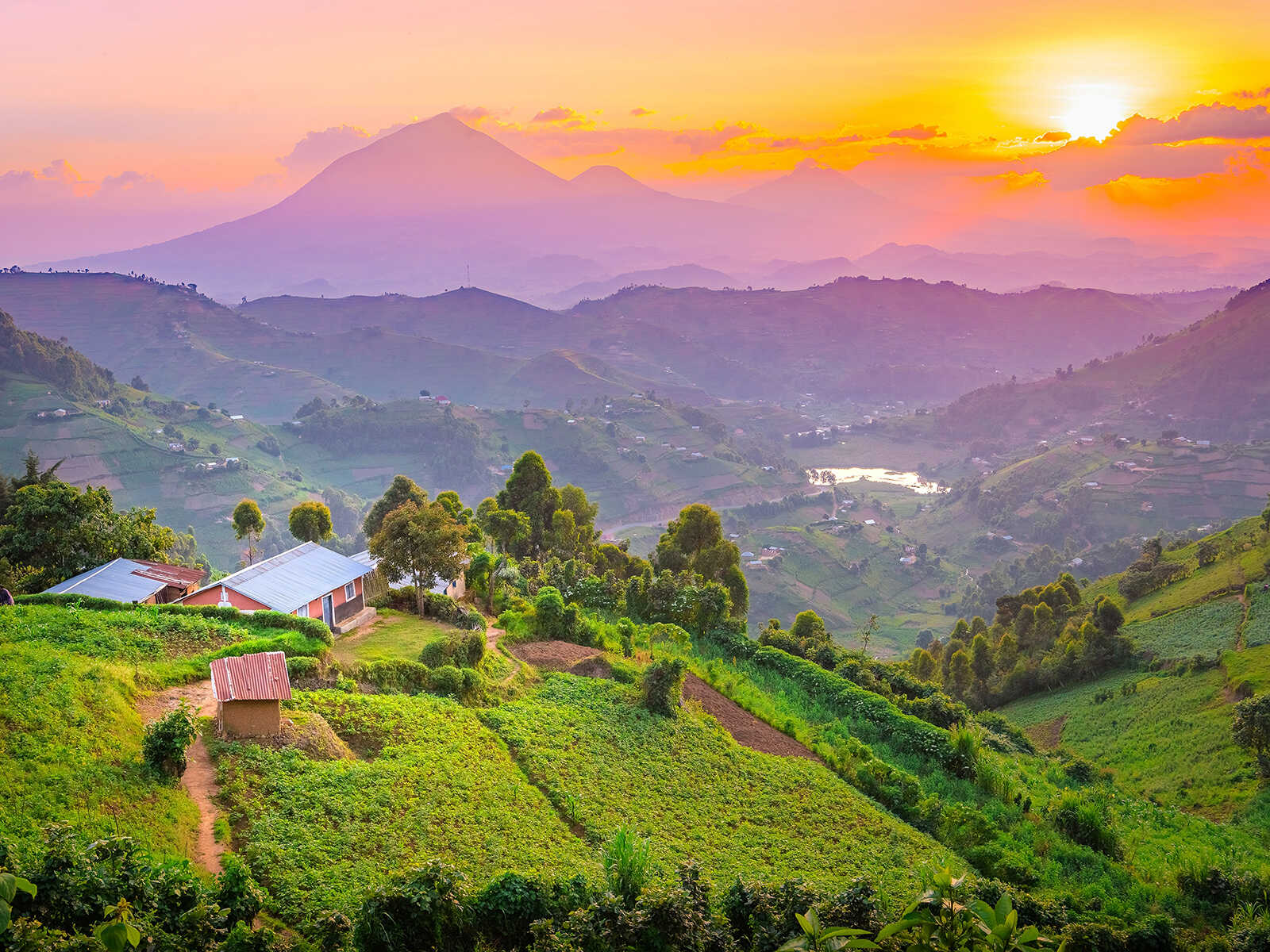
Kidepo stands apart from Uganda’s more frequented parks, offering a unique blend of breathtaking landscapes and exceptional wildlife viewing opportunities. Its isolation has preserved a pristine environment, making it a sanctuary for species not found elsewhere in Uganda and providing an intimate encounter with nature. The park's dramatic scenery, characterized by the Narus Valley's rolling plains and the towering peaks of Mount Morungole, creates a visually stunning backdrop for every safari.
For the discerning traveler seeking genuine adventure and exclusivity, Kidepo presents an irresistible allure. It's a place where the sounds of the wild dominate, and human presence feels minimal, offering a profound connection to the natural world.
A Kaleidoscope of Wildlife: Encounters in the Valley
Kidepo boasts an impressive diversity of wildlife, including over 77 mammal species and more than 475 bird species. The park is renowned for its large herds of buffalo, often numbering in the thousands, which are a spectacular sight against the savanna.
The Big Game Spectacle
While Kidepo is not home to all of the "Big Five," it offers excellent chances to spot four of them. Elephants roam freely, often seen congregating around water sources. Lions are a common sight, frequently found resting under acacia trees or stalking prey in the tall grass. Leopards, though more elusive, are present, as are significant populations of buffalo. Rhinos, unfortunately, are absent from the park.
Beyond these iconic species, Kidepo is a stronghold for several unique East African species, many of which are endemic to the region. These include:
- Cheetahs:Kidepo is one of the few places in Uganda where you can reliably see these magnificent big cats.
- Striped Hyenas:A rarer sight than their spotted cousins.
- Caracals and Aardwolves:Nocturnal and elusive, but a thrilling spot for the patient observer.
- Giraffes:The graceful Rothschild's giraffe, one of the most endangered giraffe subspecies.
- Burchell's Zebras:Large herds add to the savanna spectacle.
- Ostrich:The largest bird in the world, often seen striding across the plains.
Game drives, primarily conducted in the Narus Valley, offer the best opportunities to witness this incredible array of wildlife. The open plains make for excellent visibility, and skilled guides enhance the experience by tracking animals and sharing their knowledge.
Birdwatcher's Paradise
With its rich avian diversity, Kidepo is a haven for birdwatchers. Unique species like the Karamoja Apalis, Abyssinian Roller, Rufous-tailed Weaver, and the iconic Kori Bustard can be found here. The park is also home to several raptor species, including various eagles, vultures, and falcons, soaring high above the rugged terrain.
Did you know?Kidepo Valley National Park is named after the Kidepo River, which means "to pick" in the local Karamojong language. This refers to the gathering of fallen borassus palm nuts used for making local beer.
Beyond the Safari Vehicle: Immersive Experiences
While game drives are central to the Kidepo experience, the park offers a range of other activities that allow for deeper engagement with its natural and cultural heritage.
Nature Walks and Hiking
Guided walking safaris provide an intimate perspective of the bush, allowing you to appreciate the smaller details of the ecosystem, from tracking animal prints to identifying various plant species. Hikes up Mount Morungole, the park's highest peak, offer strenuous but rewarding treks with panoramic views of the entire Kidepo landscape and beyond into Sudan and Kenya.
Cultural Encounters with the Karamojong
A visit to Kidepo is incomplete without experiencing the rich culture of the Karamojong people, the indigenous pastoralist community inhabiting the region. Cultural tours to nearby villages (manyattas) offer insights into their unique traditions, dances, and semi-nomadic way of life. It’s an opportunity to learn about their history, witness their craftsmanship, and even try their local cuisine, providing a profound cultural exchange.
Exploring the Kidepo River and Hot Springs
The dry Kidepo River bed, which gives the park its name, is an interesting area to explore, especially after rains when it can briefly flow. Further north, near the border with South Sudan, are the Kanangorok Hot Springs, a scenic spot for relaxation and photography.
Planning Your Kidepo Adventure
Due to its remote location, careful planning is essential for a rewarding trip to Kidepo.
When to Visit
The dry season, fromJune to SeptemberandDecember to February, is generally considered the best time for wildlife viewing. Animals congregate around permanent water sources, making them easier to spot. The landscape is also less dense, improving visibility. The wet season (April-May, October-November) brings lush greenery and newborn animals, but some roads can become challenging, and wildlife might be more dispersed.
Getting There
Reaching Kidepo is part of the adventure. It's a long journey, emphasizing the park's untouched nature.
- By Road:The drive from Kampala takes approximately 10-12 hours, covering roughly 520 km. While long, the route offers scenic views of northern Uganda. It’s advisable to travel with a reputable tour operator or in a well-maintained 4x4 vehicle. Consider breaking the journey with an overnight stop near Sipi Falls or Murchison Falls for a multi-destination safari.
- By Air:Charter flights are available from Kajjansi Airstrip near Kampala directly to Kidepo's Apoka Airstrip. This is the quickest and most convenient option, significantly cutting down travel time.
Accommodation Options
Accommodation within and around Kidepo ranges from luxurious safari lodges to more rustic tented camps and bandas. Most options are located near the Narus Valley, providing easy access to prime game-viewing areas. Booking in advance, especially during peak season, is highly recommended.
What to Pack
For a comfortable and safe safari, consider packing:
- Light, neutral-colored clothing for game drives.
- Warmer layers for cool mornings and evenings.
- A wide-brimmed hat, sunglasses, and high-SPF sunscreen.
- Insect repellent.
- Binoculars and a good camera with extra batteries.
- Comfortable walking shoes.
- A small first-aid kit.
- Reusable water bottle.
Conservation and Sustainable Tourism
Uganda Wildlife Authority (UWA) plays a crucial role in protecting Kidepo's unique ecosystem and wildlife. By visiting Kidepo, you contribute directly to these conservation efforts and support the local communities through sustainable tourism initiatives. Practicing responsible tourism, such as respecting wildlife, adhering to park rules, and minimizing your environmental footprint, ensures that Kidepo remains a pristine wilderness for future generations.
While other parks like Queen Elizabeth National Park and Bwindi Impenetrable National Park offer incredible experiences like chimpanzee trekking and gorilla trekking, Kidepo provides a distinct flavor of African safari, focusing on vast open plains and unique predator encounters.
An Unforgettable Wilderness Experience
Kidepo Valley National Park is more than just a destination; it's an experience that leaves an indelible mark on the soul. Its rugged beauty, abundant wildlife, and profound sense of isolation offer a safari like no other in Uganda. For those willing to venture off the well-trodden path, Kidepo promises an authentic, unforgettable encounter with Africa's untamed heart, a truly rewarding journey into one of the continent's most spectacular wildernesses.