
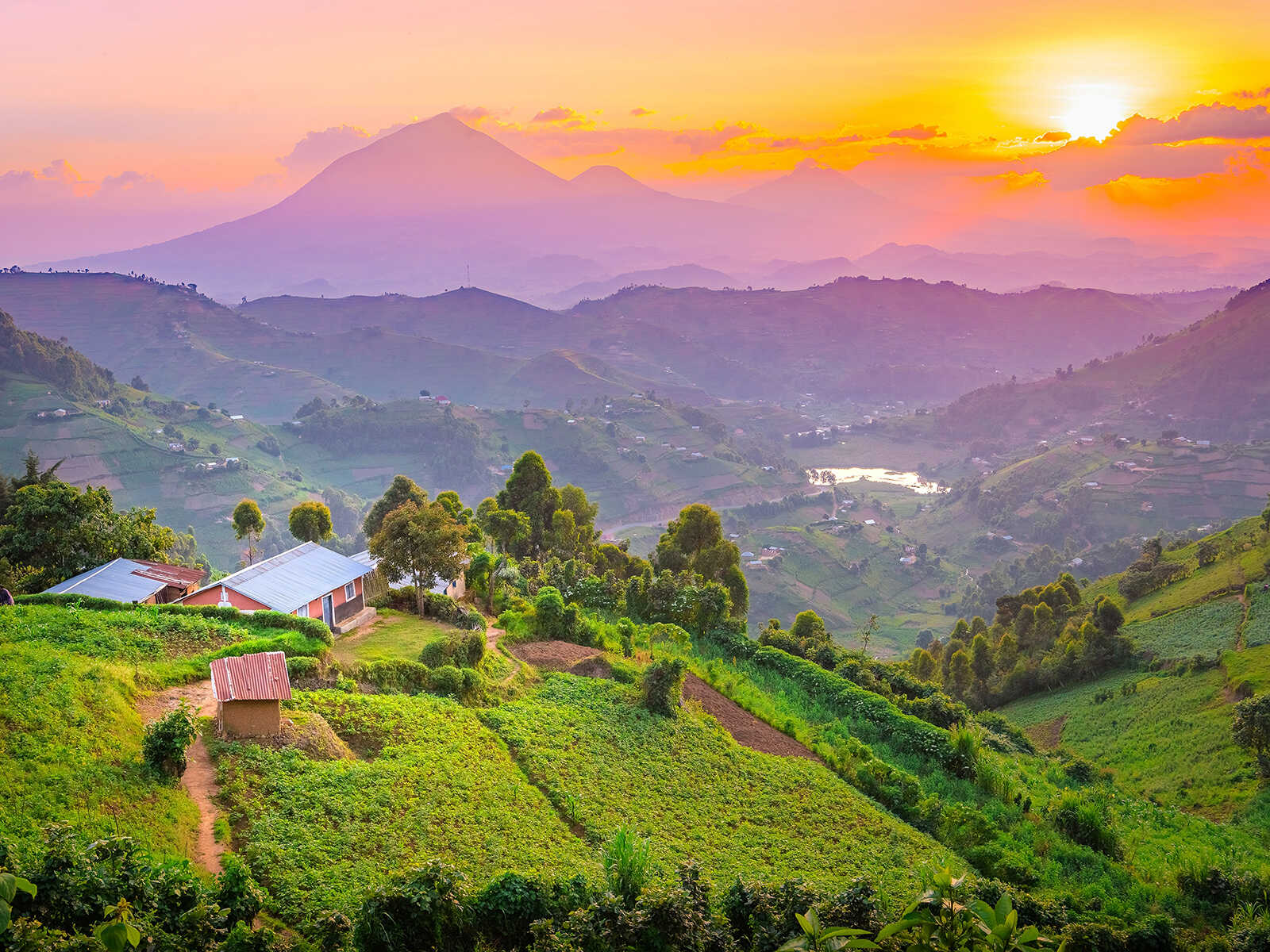
Is Uganda Safe for Tourists? Your Guide to a Worry-Free Trip
Uganda, the "Pearl of Africa," beckons with its incredible wildlife, lush landscapes, and vibrant culture. As you plan your adventure, a common and important question arises: Is Uganda safe for tourists? This comprehensive guide aims to address your safety concerns, providing practical advice to ensure your trip is as worry-free as it is unforgettable.
Understanding Uganda's Safety Landscape
Uganda generally enjoys a stable and peaceful environment, especially in areas frequented by tourists. The Ugandan government places a high priority on the safety and security of visitors, recognizing the vital role tourism plays in its economy. Most visits are trouble-free, with many travelers describing Ugandans as exceptionally warm, welcoming, and hospitable.
Like any travel destination, Uganda has its considerations, but understanding these and taking standard precautions can significantly enhance your safety. Tourist-specific areas, national parks, and well-established travel routes are typically very secure, often benefiting from dedicated tourism police and ranger patrols.
Common Safety Concerns and How to Mitigate Them
Petty Crime
In urban centers like Kampala, petty crime such as pickpocketing and bag snatching can occur, particularly in crowded markets, bus stations, or late at night. However, violent crime against tourists is rare.
- Be Aware:Maintain situational awareness, especially in bustling areas.
- Secure Valuables:Keep passports, cash, and phones in secure, concealed pouches. Avoid flashing expensive jewelry or electronics.
- Nighttime Caution:If out at night, use reputable taxis arranged by your hotel or tour operator. Avoid walking alone in dimly lit areas.
Road Safety and Transportation
Road conditions in Uganda can vary, and local driving habits may differ from what you're used to. This is often cited as one of the primary safety concerns for travelers.
- Reputable Operators:For safaris and inter-city travel, always opt for established tour companies with experienced drivers and well-maintained vehicles.
- Avoid Night Travel:Minimize road travel after dark, especially on rural roads, due to poor lighting and potential hazards.
- Boda-bodas:Motorcycle taxis (boda-bodas) are common but can be risky due to erratic driving. If you use them, ensure the driver is cautious and ideally wear a helmet. Many tourists choose to avoid them altogether.
Health and Medical Considerations
Health is a key component of a worry-free trip. Be proactive with your preparations.
- Vaccinations:Yellow Fever vaccination is mandatory and you'll need proof of vaccination. Consult your doctor well in advance about other recommended vaccinations (e.g., Hepatitis A, Typhoid) and malaria prophylaxis.
- Malaria:Uganda is a malaria-risk area. Take anti-malarial medication, use insect repellent containing DEET, sleep under mosquito nets, and wear long sleeves/trousers at dusk and dawn.
- Water and Food:Drink only bottled or purified water. Be cautious with street food and ensure all food is cooked thoroughly and served hot.
- Travel Insurance:Comprehensive travel insurance covering medical emergencies, evacuation, and trip cancellations is highly recommended.
Wildlife Encounters
Uganda's national parks are home to incredible wildlife, including the "Big Five." While thrilling, these are wild animals.
- Follow Ranger Instructions:Always adhere strictly to the guidelines provided by your safari guide or park rangers, particularly during activities like gorilla trekking in Bwindi Impenetrable National Park or chimpanzee tracking.
- Maintain Distance:Respect recommended distances from wildlife. Never attempt to feed or approach animals.
- Park Safety:National parks such as Queen Elizabeth National Park,Murchison Falls,Kidepo Valley National Park, and Lake Mburo have established safety protocols and experienced guides to ensure your safety during game drives and other activities.
Expert Tip:When embarking on gorilla or chimpanzee treks, listen carefully to your guides. They are highly trained professionals dedicated to ensuring both your safety and the well-being of the primates.
Political Stability and Regional Issues
Uganda is generally politically stable. However, like any country, it's wise to be aware of local developments.
- Stay Informed:Check your government's travel advisories before and during your trip.
- Avoid Demonstrations:Steer clear of any political gatherings or demonstrations, as they can sometimes turn unpredictable.
- Border Areas:While tourist areas are typically far from borders with neighboring countries that might experience instability, it's always prudent to be aware of your surroundings, especially if traveling to remote regions.
Essential Safety Tips for Travelers in Uganda
Before You Go
- Research & Planning:Thoroughly research your itinerary and choose reputable tour operators.
- Travel Insurance:Purchase comprehensive travel insurance that covers medical emergencies, trip interruptions, and theft.
- Visa & Vaccinations:Obtain your visa in advance and ensure all necessary vaccinations are up-to-date.
- Register Your Trip:Consider registering your travel plans with your country's embassy or consulate in Uganda.
During Your Trip
- Use Reputable Services:Stick to established tour companies, hotels, and transportation providers.
- Keep Valuables Secure:Use hotel safes, avoid displaying large amounts of cash, and carry only what you need for the day.
- Stay Connected:Consider purchasing a local SIM card for easier communication.
- Respect Local Customs:Dress modestly, especially in rural areas and when visiting religious sites like the Gaddafi National Mosque or Kasubi Royal Tombs. Always ask permission before taking photos of people.
- Emergency Contacts:Keep a list of emergency contacts, including your embassy, tour operator, and local police.
Specific Considerations
- Nightlife:If enjoying Kampala's nightlife, go with friends, inform someone of your plans, and use trusted transport.
- Solo Female Travelers:Uganda is generally welcoming, but solo female travelers should exercise extra caution, particularly at night, and always use reputable guides/operators.
- Hiking and Trekking:For adventurous activities like hiking the Rwenzori Mountains National Park,Mount Elgon, or exploring Sipi Falls, ensure you are physically prepared, use experienced guides, and have appropriate gear.
Why Uganda is Worth the Journey
With sensible precautions, Uganda offers an incredibly rewarding travel experience. The potential risks are manageable, and the rewards are immense. Imagine the awe of coming face-to-face with mountain gorillas, the thrill of spotting lions and elephants on a savannah safari, or the serenity of Lake Bunyonyi's tranquil waters.
Ugandans are renowned for their friendliness and hospitality, often eager to share their culture and assist visitors. The country's commitment to conservation and responsible tourism also means that your visit contributes directly to protecting its natural heritage and supporting local communities.
Final Thoughts: Travel with Confidence
Is Uganda safe for tourists? The answer is a resounding yes, provided you travel smart and stay informed. By following common-sense safety guidelines, engaging reputable tour operators, and being respectful of local customs, you can confidently embark on an unforgettable adventure in the heart of Africa. Prepare well, embrace the journey, and discover why Uganda truly is the "Pearl of Africa."