
Hiking the Rwenzori Mountains: A Comprehensive Guide to the "Mountains of the Moon"
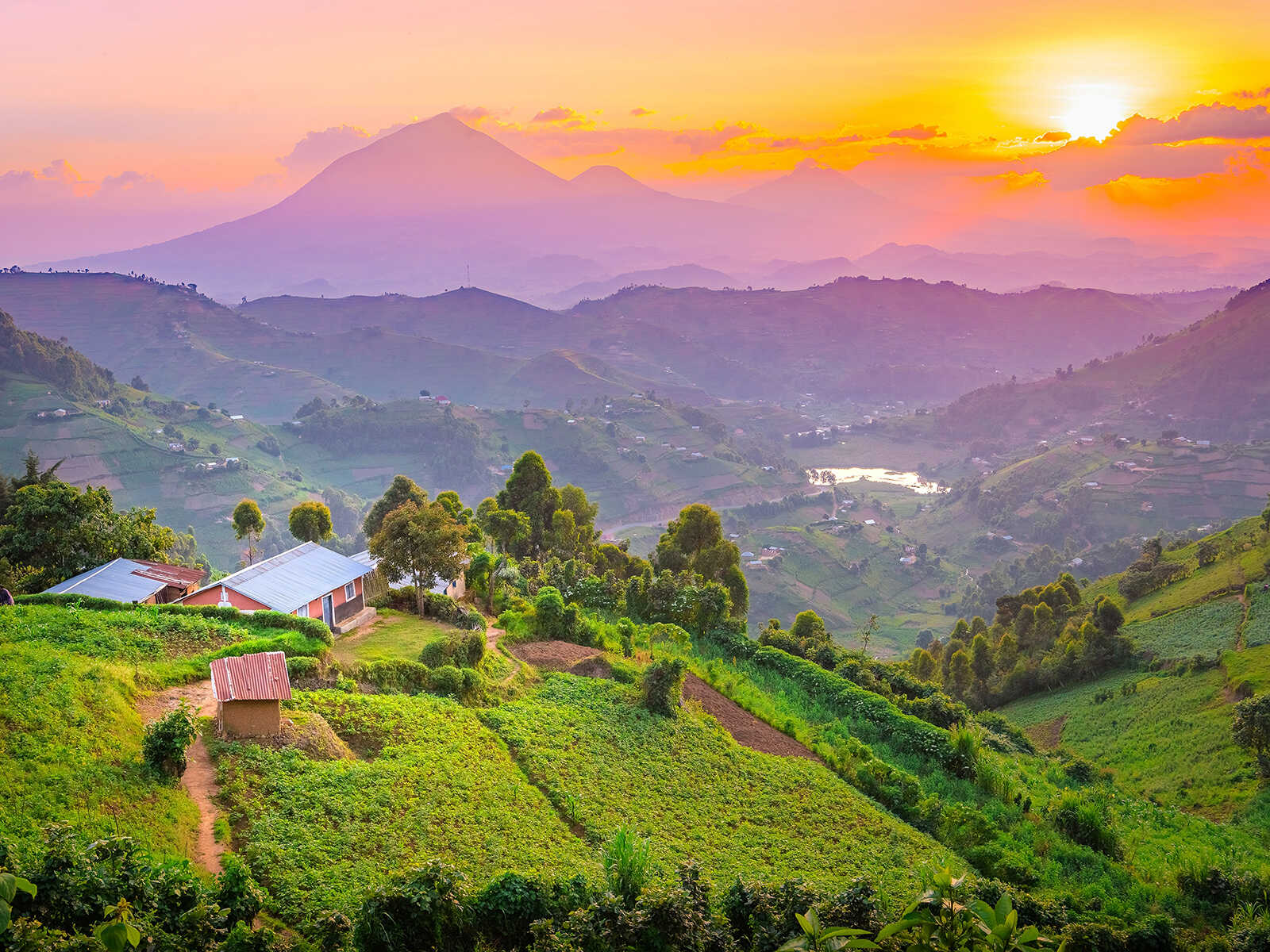
Nestled along Uganda's western border, the majestic Rwenzori Mountains, often dubbed the "Mountains of the Moon," offer one of Africa's most unique and challenging trekking experiences. This UNESCO World Heritage site boasts snow-capped peaks, glacial valleys, and an otherworldly afro-alpine vegetation found nowhere else on earth, inviting adventurers to explore its misty heights and vibrant ecosystems.
Unveiling the "Mountains of the Moon"
The Rwenzori Mountains are a spectacular non-volcanic, non-tectonic mountain range, stretching for 120 km and featuring six of Africa's ten highest peaks. Among these, Mount Stanley's Margherita Peak stands as Africa's third-highest summit at 5,109 meters. Unlike the more famous Kilimanjaro or Mount Kenya, the Rwenzoris are less about a single summit push and more about a multi-day journey through diverse, often boggy, terrain that transitions from tropical rainforest to bamboo thickets, heather zones, and finally, the unique afro-alpine moorland with its giant groundsels and lobelias.
Designated as Rwenzori Mountains National Park, this range is a biodiversity hotspot, home to numerous endemic species and offering a truly immersive wilderness experience. The consistent mist and high rainfall contribute to the lush, fantastical landscapes, making every turn a breathtaking discovery.
Planning Your Rwenzori Expedition
Best Time to Visit
While the Rwenzoris can be trekked year-round, the drier seasons generally offer more favorable conditions. These typically run fromDecember to Februaryand again fromJune to August. During these periods, rainfall is comparatively lower, making trails less muddy and offering clearer views of the peaks. However, be prepared for unpredictable weather at any time; the "Mountains of the Moon" are renowned for their mists and frequent showers.
Permits, Guides, and Porters
Hiking in the Rwenzori Mountains National Park requires a permit and is only permitted with an authorized guide. This is not only for safety but also to support local communities and ensure minimal environmental impact. Reputable tour operators will arrange all necessary permits and provide experienced guides and porters. Porters are essential for carrying gear, allowing trekkers to focus on the challenging terrain with a lighter daypack. Their knowledge of the trails and local conditions is invaluable.
Fun Fact:The name "Rwenzori" is believed to derive from a local Bakonzo word, "Rwenjura," meaning "rainmaker" or "mountain of rain," a fitting description for its perpetually misty peaks.
Choosing Your Route and Duration
There are two primary trekking routes in the Rwenzoris, each offering distinct experiences:
- The Central Circuit Trail:This is the classic and most popular route, typically taking 7 to 9 days to complete. It circles the main peaks of Mount Speke, Mount Baker, and Mount Stanley, culminating in the ascent to Margherita Peak if desired. The trail is well-established, with a network of basic huts for overnight stays.
- The Kilembe Trail:Developed more recently, this route starts from the Kilembe valley and offers an alternative, often described as more challenging and scenic approach to the peaks. It can take 8 to 10 days to reach Margherita Peak and return. The Kilembe route is known for its stunning views and diverse flora, often considered a more rugged and wild experience.
Shorter treks of 1-5 days are also possible for those who wish to experience the lower and mid-altitudes without attempting the summit, offering a taste of the unique vegetation and landscape.
Essential Packing List
Preparation is key for a successful Rwenzori trek. The varied terrain and unpredictable weather demand careful packing:
- Layered Clothing:Bring thermal base layers, fleece mid-layers, and a waterproof and windproof outer shell (jacket and trousers). Temperatures can range from warm in the lower zones to below freezing at higher altitudes.
- Footwear:Sturdy, waterproof hiking boots with good ankle support are crucial. Gaiters are highly recommended to keep mud and water out. Bring comfortable camp shoes or sandals for evenings.
- Sleeping Bag:A warm sleeping bag (rated to -10°C or colder) is essential, especially for higher camps.
- Backpack:A daypack for daily essentials and a larger pack for porters to carry your main gear.
- Trekking Poles:Invaluable for navigating muddy, slippery, and steep sections, reducing strain on your knees.
- First Aid Kit:Personal medications, blister treatment, pain relievers, altitude sickness medication (consult your doctor).
- Headlamp:Essential for moving around camp at night and potential early morning starts.
- Water Bottle/Hydration Pack:You'll need to stay well-hydrated. Purifiers or tablets are also advisable.
- Sun Protection:Hat, sunglasses, and high-SPF sunscreen, even on cloudy days, due to high altitude UV exposure.
- Gloves and Warm Hat:For cold evenings and higher altitudes.
- Toiletries:Biodegradable options are preferred.
Physical Preparation and Altitude Acclimatization
Hiking the Rwenzoris is physically demanding. Trekkers should engage in regular cardiovascular exercise (running, cycling, swimming) and strength training several months before their trip. Hilly terrain hikes are excellent preparation.
Altitude sickness is a significant concern. The best way to mitigate its risks is to ascend slowly, allowing your body to acclimatize. Your chosen route will naturally build in acclimatization days. Stay well-hydrated and inform your guide immediately if you experience any symptoms like headaches, nausea, or dizziness. Your guide is trained to recognize and manage these conditions.
The Rwenzori's Unique Flora and Fauna
One of the most captivating aspects of the Rwenzoris is its distinct ecological zones. As you ascend, the vegetation transforms dramatically:
- Montane Forest (2,000-3,000m):Lush, dense rainforest with towering trees, ferns, and mosses. Keep an eye out for primates like colobus monkeys and various bird species.
- Bamboo Zone (2,500-3,000m):A transition zone dominated by dense bamboo thickets.
- Heather-Rapanea Zone (3,000-4,000m):Characterized by giant heathers draped in mosses and lichens, creating an eerie, primeval forest feel.
- Afro-Alpine Zone (Above 4,000m):This is where the Rwenzoris truly become otherworldly. Giant groundsels (Senecio), enormous lobelias (Lobelia), and heather trees grow to incredible sizes, adapting to the harsh climate. This unique ecosystem is a photographer's dream.
While large mammals are rarely seen, the park is home to forest elephants, chimpanzees, and various antelope species, though they tend to remain in the lower, denser forests. Birdwatchers, however, will be delighted by the abundance of endemic species.
Challenges and Safety Considerations
The Rwenzoris present unique challenges:
- Mud and Bogs:Expect wet and muddy conditions, particularly in the lower and middle zones. Good waterproof boots are non-negotiable.
- Steep Ascents/Descents:The trails are often steep and rocky, requiring good physical stamina and balance.
- Weather Variability:Rain, fog, and cold temperatures can occur at any time, requiring appropriate gear and mental preparedness.
- Altitude:As mentioned, careful acclimatization and communication with your guide are crucial.
Safety is paramount. Always follow your guide's instructions. They are experienced in navigating the terrain, understanding weather patterns, and managing potential emergencies. Trekking in a group with experienced leadership greatly enhances safety.
Extending Your Ugandan Adventure
After conquering the "Mountains of the Moon," consider exploring other incredible destinations in Uganda:
- Gorilla Trekking:Combine your Rwenzori trek with an unforgettable encounter with mountain gorillas in Bwindi Impenetrable National Park.
- Wildlife Safaris:Head to Queen Elizabeth National Park, known for its tree-climbing lions, or witness the powerful Murchison Falls and its abundant wildlife. For a more remote safari experience, consider Kidepo Valley National Park.
- Lakeside Relaxation:Unwind by the tranquil shores of Lake Bunyonyi or experience the charm of Lake Mburo.
- More Hiking:Explore the waterfalls of Sipi Falls or tackle the extinct volcano of Mount Elgon.
- Cultural Experiences:Visit historical sites in Kampala like the Kasubi Royal Tombs or the Gaddafi National Mosque.
Conclusion
Hiking the Rwenzori Mountains is an adventure unlike any other, offering a profound connection with nature and a true test of endurance. From its mystical fogs and surreal afro-alpine flora to the challenge of reaching its icy peaks, the "Mountains of the Moon" promise an unforgettable journey into the heart of one of Africa's most extraordinary landscapes. Prepare well, embrace the challenge, and embark on a trek that will etch itself into your memory forever.