
Bwindi Impenetrable National Park: The Ultimate Gorilla Trekking Guide
Embark on an unforgettable journey into the heart of Uganda's ancient rainforest to witness one of nature's most extraordinary spectacles: mountain gorillas in their natural habitat.Bwindi Impenetrable National Park offers an unparalleled opportunity for a truly life-changing gorilla trekking adventure.
Discovering Bwindi Impenetrable National Park
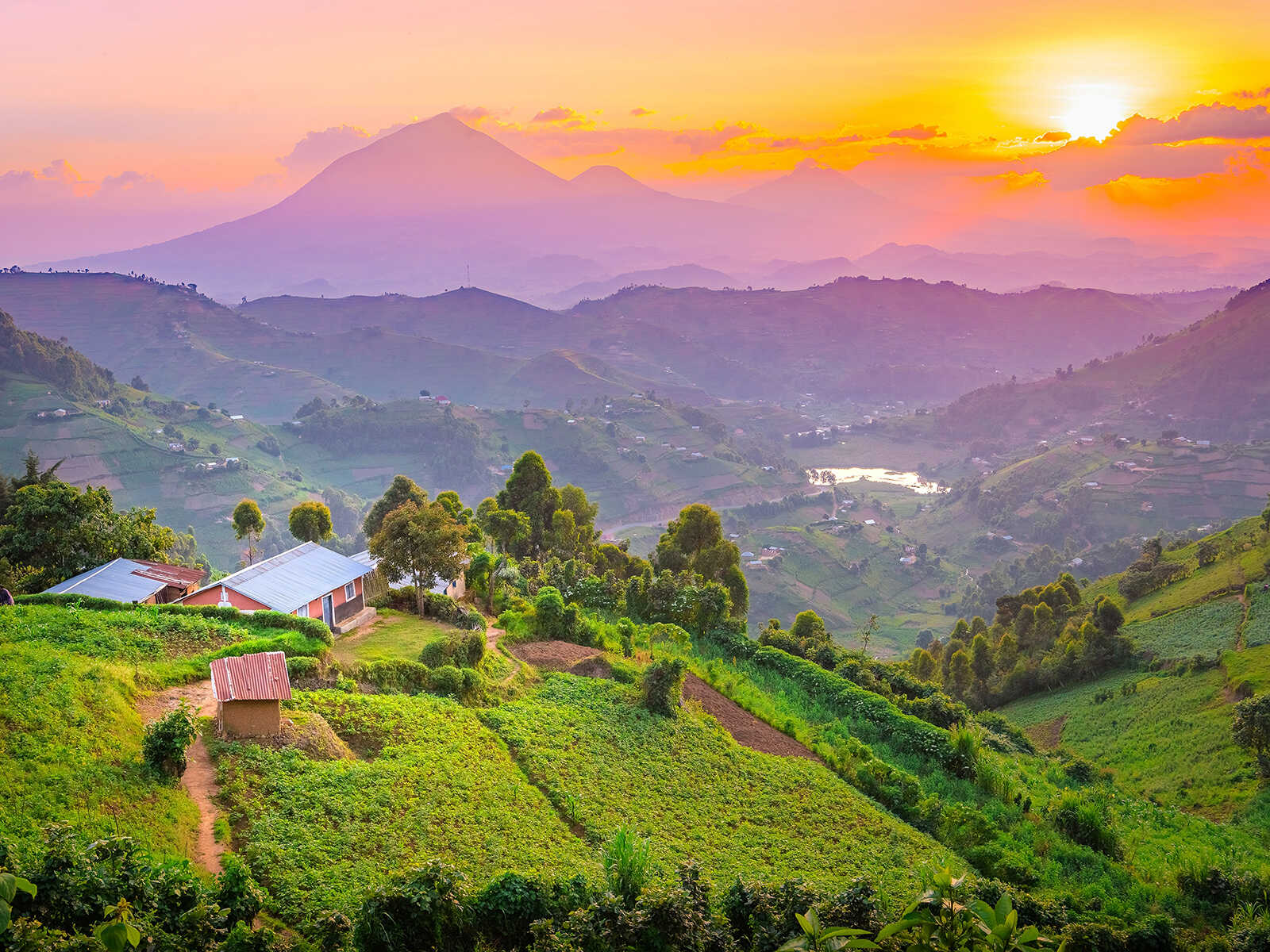
Nestled in southwestern Uganda, Bwindi Impenetrable National Park is a UNESCO World Heritage Site renowned for its exceptional biodiversity and, most notably, as a sanctuary for roughly half of the world's remaining mountain gorilla population. This ancient rainforest, covering 321 square kilometers, is a mosaic of dense vegetation, mist-shrouded hills, and winding rivers, making it a truly impenetrable landscape.
Beyond the gorillas, Bwindi is a haven for a vast array of flora and fauna, including 120 mammal species, 350 bird species, 220 butterfly species, and over 1,000 flowering plant species. Its unique ecosystem makes it a critical location for conservation efforts and an awe-inspiring destination for nature enthusiasts.
Why Bwindi is the Premier Gorilla Trekking Destination
While mountain gorillas can be found in a few locations across East Africa, Bwindi stands out for several compelling reasons. The park boasts the largest population of these critically endangered primates, offering a higher chance of successful sightings and a variety of habituated families to visit. The trekking experience here is deeply immersive, leading you through pristine, dense forest, providing an authentic and thrilling encounter with nature.
The sheer number of gorilla families available for trekking across Bwindi's four sectors means greater flexibility in planning and a more personalized experience. Each trek offers a unique story, a different family dynamic, and an unforgettable hour spent observing these gentle giants up close.
Did you know?Bwindi's name, "Impenetrable," aptly describes its dense, ancient forest, which has remained largely untouched for millennia, providing a perfect refuge for mountain gorillas.
Planning Your Gorilla Trek: Essential Information
Getting There
Most international travelers arrive at Entebbe International Airport (EBB). From Entebbe, you have a couple of options to reach Bwindi. The quickest way is to take a scheduled domestic flight to Kihihi Airstrip (for Buhoma and Ruhija sectors) or Kisoro Airstrip (for Rushaga and Nkuringo sectors), followed by a short road transfer. Alternatively, a scenic but longer drive (8-10 hours) from Kampala or Entebbe offers a glimpse into Uganda's beautiful countryside.
Trekking Sectors of Bwindi
Bwindi is divided into four main gorilla trekking sectors, each offering a unique experience and access point:
- Buhoma:Located in the north, Buhoma is the most developed and easily accessible sector. It offers a good range of accommodation and is known for relatively less strenuous treks, though this can vary.
- Ruhija:Situated in the east, Ruhija is at a higher altitude, leading to cooler temperatures and potentially more challenging treks. It's a great spot for birdwatchers.
- Rushaga:In the south, Rushaga has the highest number of habituated gorilla families, offering more permits daily. It's accessible from Kisoro and Lake Bunyonyi.
- Nkuringo:Also in the south, Nkuringo is known for its stunning views and generally more demanding treks due to steeper terrain. It's often recommended for physically fit trekkers.
Best Time to Visit
Gorilla trekking is possible year-round. However, thedry seasons(June to August and December to February) are generally preferred. During these months, trails are less muddy and slippery, and the weather is typically more favorable. Thewet seasons(March to May and September to November) can bring heavier rainfall, making trekking more challenging, but also offering lush landscapes and fewer tourists.
Obtaining Gorilla Permits
A gorilla trekking permit is essential and grants you one hour with a habituated gorilla family. Due to high demand and limited availability, it is crucial to book your permit well in advance, ideally 6-12 months before your travel date, especially if you plan to travel during peak season. Permits are issued by the Uganda Wildlife Authority (UWA).
What to Pack for Your Trek
Preparation is key for a comfortable and successful trek:
- Sturdy hiking boots:Waterproof and worn-in.
- Long-sleeved shirt and trousers:To protect against scratches, insect bites, and nettles.
- Rain jacket and waterproof trousers:Weather can change quickly in the rainforest.
- Gloves:Gardening gloves are excellent for gripping vegetation.
- Hat:For sun protection or warmth.
- Insect repellent:Essential.
- Water bottle:Carry at least 2 liters.
- Packed lunch and snacks:Provided by your lodge or tour operator.
- Camera:With extra batteries and memory cards (flash photography is not allowed).
- Binoculars:For birdwatching and other wildlife.
- Small backpack:To carry your essentials.
Physical Preparation and Trekking Difficulty
Gorilla trekking can be physically demanding. Treks can range from 30 minutes to over 8 hours, involving steep slopes, muddy terrain, and dense vegetation. A good level of physical fitness is recommended. Porters are available for hire at the briefing point, offering invaluable assistance with your bag and navigating difficult sections, while also providing income to local communities.
The Gorilla Trekking Experience: A Day in the Life
Your gorilla trekking day begins early at the park headquarters of your assigned sector. After a briefing on park rules, safety, and what to expect, you'll be divided into groups of eight, each assigned to a specific gorilla family. Accompanied by experienced UWA rangers and trackers, you'll then venture into the forest.
The trek itself is an adventure, winding through thick jungle, across streams, and up and down hills. The trackers, who have gone ahead at dawn, communicate with your guides, leading you closer to the gorilla family. The anticipation builds with every step.
Finally, when you encounter the gorillas, all the effort melts away. You'll spend an incredible, humbling hour observing them – feeding, playing, grooming, and interacting within their family unit. Maintain a respectful distance and follow your guide's instructions. This hour is a truly magical and privileged experience, connecting you with nature in a profound way.
Beyond Gorillas: Other Activities in Bwindi
While gorilla trekking is the main draw, Bwindi offers other enriching experiences:
- Batwa Cultural Experience:Spend time with the Batwa Pygmies, the forest's original inhabitants, to learn about their traditional lifestyle, hunting techniques, and cultural heritage.
- Nature Walks:Explore different trails within and around the park, offering opportunities for birdwatching and spotting other primates and forest creatures.
- Birdwatching:Bwindi is a birder's paradise, home to numerous Albertine Rift endemics.
- Community Visits:Engage with local communities to understand their way of life and support local initiatives.
Many visitors combine their Bwindi trip with a relaxing stay at nearby Lake Bunyonyi, known for its stunning island scenery and tranquil atmosphere.
Responsible Tourism and Conservation
Your gorilla trekking permit directly contributes to the conservation of mountain gorillas and the protection of their habitat. A significant portion of the permit fees goes towards anti-poaching efforts, park management, and community development projects, creating a sustainable model for conservation. By choosing to trek in Bwindi, you become an active participant in safeguarding the future of these magnificent creatures.
Combining Your Bwindi Trip with Other Ugandan Adventures
Uganda is rich in diverse landscapes and wildlife, making it ideal for extending your adventure beyond Bwindi:
- Wildlife Safaris:Head to Queen Elizabeth National Park for classic savannah safaris, boat cruises on the Kazinga Channel, and the famous tree-climbing lions of Ishasha. Or venture to Murchison Falls for powerful waterfalls, game drives, and Nile River cruises. For a more remote wilderness experience, consider Kidepo Valley National Park.
- Primate Tracking:Beyond gorillas, chimpanzee trekking is popular in Kibale Forest National Park.
- Hiking and Mountaineering:Explore the dramatic peaks of the Rwenzori Mountains National Park or the volcanic landscapes of Mount Elgon.
- Cultural Experiences:Discover Uganda's rich heritage in Kampala with visits to sites like the Gaddafi National Mosque or the Kasubi Royal Tombs.
- Nature and Relaxation:Enjoy the serene beauty of Lake Mburo National Park, perfect for walking safaris and cycling, or the stunning Sipi Falls on the slopes of Mount Elgon.
A gorilla trekking adventure in Bwindi Impenetrable National Park is more than just a wildlife encounter; it's a journey into the heart of an ancient forest, a profound connection with nature, and a vital contribution to conservation. Prepare for an experience that will undoubtedly leave an indelible mark on your soul.