
Best Time to Visit Uganda: Weather, Wildlife & Trekking Seasons
Uganda, the "Pearl of Africa," offers an unparalleled array of experiences, from thrilling gorilla treks to classic savannah safaris and cultural encounters. Understanding the nuances of its climate is key to planning your perfect adventure, ensuring you make the most of its diverse landscapes and incredible wildlife.
While Uganda is a fantastic destination year-round, specific seasons can significantly impact your experience, whether you're chasing mountain gorillas, spotting lions, or birdwatching. This guide will help you navigate Uganda's weather patterns to choose the ideal time for your visit.
Uganda's Climate: A Seasonal Overview
Uganda experiences an equatorial climate, but its varied topography, including mountains and vast lakes, creates regional differences. Generally, the country has two distinct dry seasons and two wet seasons, though rainfall can be unpredictable and vary in intensity across different regions.
- Dry Seasons:
- Long Dry Season:June to August (generally cooler, less humid)
- Short Dry Season:December to February (often hotter, more humid)
- Wet Seasons:
- Long Wet Season:March to May (heaviest rains)
- Short Wet Season:September to November (moderate rains)
Temperatures remain relatively consistent throughout the year, averaging around 25-30°C (77-86°F) during the day and dropping to 15-20°C (59-68°F) at night in most safari areas. Highland areas, especially around the Rwenzori Mountains National Park and Mount Elgon, are significantly cooler.
The Dry Seasons: Peak Travel for Wildlife & Trekking (June-August & December-February)
These periods are widely considered the best times to visit Uganda, especially for prime wildlife viewing and trekking activities.
Weather Conditions
- June to August:This is Uganda's longest and most reliable dry season. Expect clear skies, abundant sunshine, and lower humidity. Temperatures are pleasant, making daytime activities comfortable.
- December to February:Another reliable dry spell, though often hotter and more humid than the June-August period. Rainfall is minimal, and sunny days are the norm.
Wildlife Viewing
During the dry seasons, animals congregate around dwindling water sources, making them easier to spot. Vegetation is sparser, improving visibility on game drives. This is an excellent time for safaris in parks like Queen Elizabeth National Park,Murchison Falls, and Kidepo Valley National Park, where you can witness diverse savanna wildlife, including lions, elephants, giraffes, and various antelopes.
Travel Tip:While dry seasons offer optimal wildlife viewing, expect more tourists and potentially higher prices for accommodation and activities. Booking well in advance is highly recommended, especially for gorilla permits.
Trekking Adventures
The dry months provide the most favorable conditions for gorilla trekking in Bwindi Impenetrable National Park and Mgahinga Gorilla National Park, as well as chimpanzee trekking in Kibale Forest National Park. Trails are less muddy and slippery, making the treks more manageable and enjoyable. Hiking expeditions in the Rwenzori Mountains National Park and Mount Elgon are also best undertaken during these drier windows.
The Wet Seasons: Lush Landscapes & Birdwatching (March-May & September-November)
Often referred to as the "green seasons" or shoulder seasons, these periods offer a different, yet equally rewarding, experience for travelers seeking fewer crowds and vibrant landscapes.
Weather Conditions
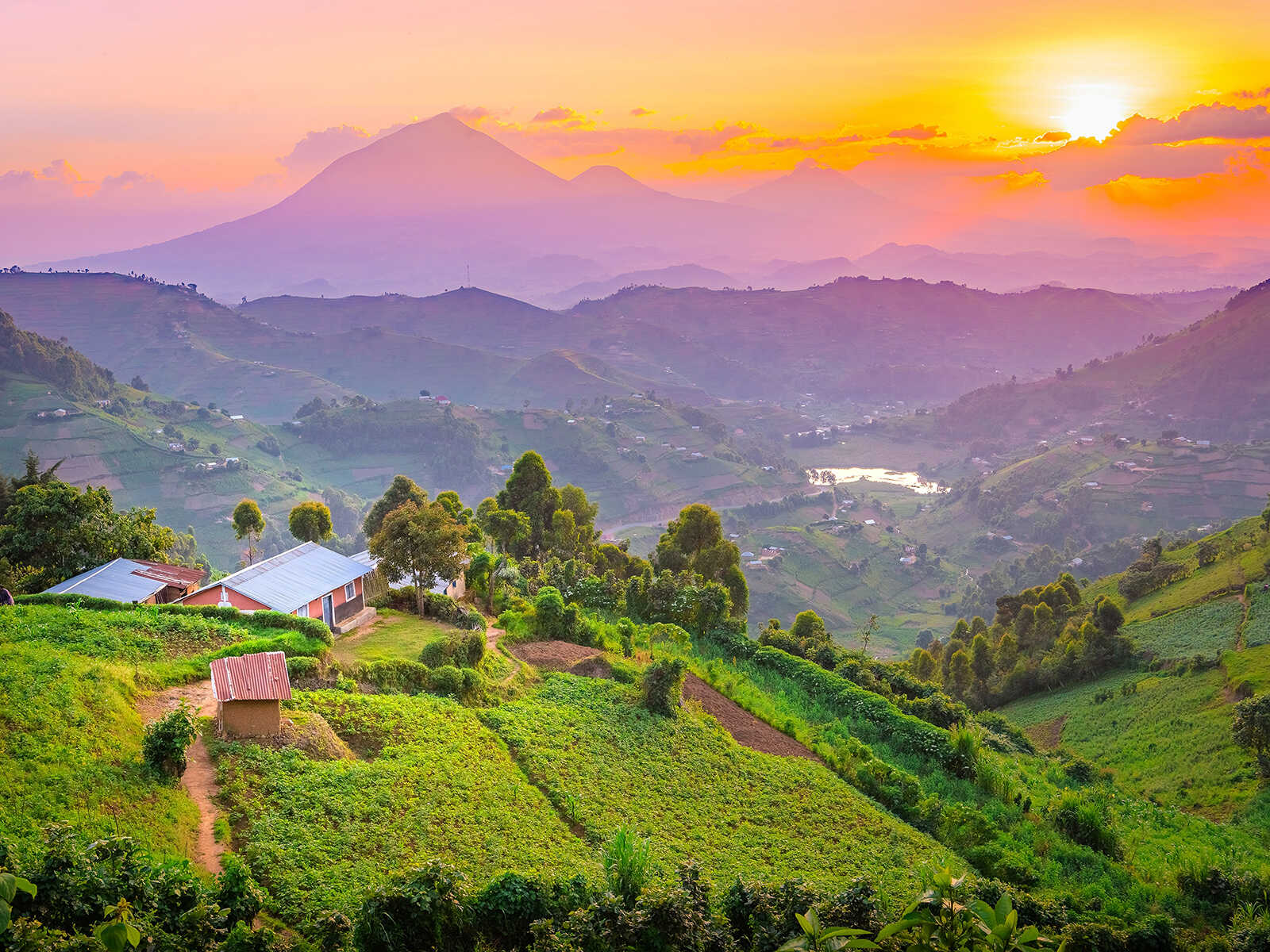
- March to May:The long wet season brings the heaviest and most consistent rainfall. Showers can be intense but often short-lived, followed by sunshine. The air is warm and humid, and the landscape transforms into a brilliant green.
- September to November:The short wet season typically sees less rainfall than the long wet season, with more intermittent showers. Similar to March-May, the country is lush and verdant.
Wildlife Viewing
While game drives can be more challenging due to thicker vegetation and potentially muddy roads, the wet seasons have their unique appeal. Many animals give birth during this time, offering heartwarming sightings of newborns. It's also an exceptional period for birdwatching, as migratory birds arrive, and resident species are in their breeding plumage. Parks like Lake Mburo become particularly vibrant.
Trekking Adventures
Trekking during the wet season is certainly possible, and some travelers prefer it due to fewer crowds and easier access to gorilla and chimpanzee permits. However, trails will be muddier and more challenging, requiring sturdy waterproof hiking boots and good rain gear. The dense foliage can also make spotting primates a bit harder.
Interesting Fact:Uganda is home to over 1,000 bird species, making it one of Africa's premier birdwatching destinations. The wet seasons are often the most rewarding for twitchers!
Best Time for Specific Activities
Gorilla & Chimpanzee Trekking
Thedry seasons (June-August and December-February)are ideal for trekking in Bwindi Impenetrable National Park and Kibale Forest. The drier trails make for a more comfortable experience. However, trekking during the wet seasons is also viable, often rewarded with easier permit availability and a more intimate experience with fewer groups.
Wildlife Safaris
For classic game drives and spotting large mammals, thedry seasons (June-August and December-February)are superior. Animals are easier to locate, and roads are in better condition. Key safari destinations include Murchison Falls,Queen Elizabeth National Park, and Kidepo Valley National Park.
Birdwatching
Thewet seasons (March-May and September-November)are prime for birding enthusiasts. The influx of migratory species, combined with resident birds in breeding plumage, makes for spectacular viewing opportunities. Areas around Lake Bunyonyi and the papyrus swamps are particularly rich.
Mountain Climbing & Hiking
Trekking the formidable Rwenzori Mountains National Park or exploring the slopes of Mount Elgon is best done during thedrier months (June-August and December-February). This minimizes the risk of slippery trails and allows for clearer views. Shorter hikes, like those around Sipi Falls, can be enjoyed year-round, though dry season offers more comfortable conditions.
Cultural & City Experiences
Cultural tours and city explorations in Kampala, visiting sites like the Kasubi Royal Tombs or the Gaddafi National Mosque, can be enjoyed at any time of the year, as they are less weather-dependent.
Planning Your Trip: Key Considerations
- Booking in Advance:Regardless of the season, if you plan to do gorilla trekking, secure your permits months in advance, especially for the peak dry seasons.
- Packing:Always pack layers, good quality waterproof gear, sturdy hiking boots, insect repellent, and sun protection. Even in the dry season, a sudden shower isn't impossible.
- Road Conditions:While major routes are generally well-maintained, secondary roads in national parks can become challenging during the wet seasons. A 4x4 vehicle is essential.
- Flexibility:Embrace the unpredictable nature of equatorial weather. A little rain often passes quickly, leaving behind vibrant landscapes.
Conclusion
Uganda truly is a year-round destination, each season offering a unique perspective on its incredible natural beauty and wildlife. Thedry seasons (June-August and December-February)are ideal for most travelers seeking comfortable conditions for wildlife viewing and trekking, albeit with more crowds. Thewet seasons (March-May and September-November), on the other hand, promise lush landscapes, fantastic birdwatching, fewer tourists, and potentially better value, for those willing to embrace a little rain and mud.
Ultimately, the "best" time to visit Uganda depends on your priorities, budget, and tolerance for crowds. With careful planning, any time can be the perfect time to discover the magic of the Pearl of Africa.