
Best Time for Wildlife Viewing in Uganda: Safaris & Animal Migrations
Uganda, the "Pearl of Africa," is a land of incredible biodiversity, offering unparalleled opportunities to witness majestic wildlife in diverse habitats. From tracking endangered mountain gorillas to spotting the Big Five on expansive savannahs, timing your visit strategically can significantly enhance your safari experience.
Understanding Uganda's distinct seasons is key to planning your ultimate wildlife adventure. While wildlife viewing is possible year-round, certain periods offer optimal conditions for specific activities and animal encounters.
Understanding Uganda's Seasons for Wildlife Viewing
Uganda experiences two main seasons: the dry season and the wet (or rainy) season. Each has its unique advantages and challenges for wildlife enthusiasts.
The Dry Seasons: June to September & December to February
Considered the peak seasons for most wildlife activities, Uganda's dry months offer optimal conditions for game viewing.
- Increased Visibility:The vegetation thins out, making it easier to spot animals in the savannahs of parks like Queen Elizabeth National Park,Murchison Falls, and Kidepo Valley National Park. Animals also congregate around dwindling water sources, making them more predictable and easier to find.
- Easier Trekking:Trails for gorilla and chimpanzee trekking in Bwindi Impenetrable National Park and Kibale Forest are drier and less slippery, making the hikes more manageable.
- Fewer Mosquitoes:The drier conditions generally mean fewer mosquitoes, reducing the risk of malaria.
- Better Road Conditions:Unpaved roads within and leading to national parks are less muddy and more accessible, making travel smoother.
However, the dry seasons also come with a few considerations:
- Higher Crowds:This is peak tourist season, meaning more visitors and potentially higher demand for permits and accommodations.
- Dustier Conditions:The dry environment can lead to dustier roads and safari vehicles.
The Wet Seasons: March to May & October to November
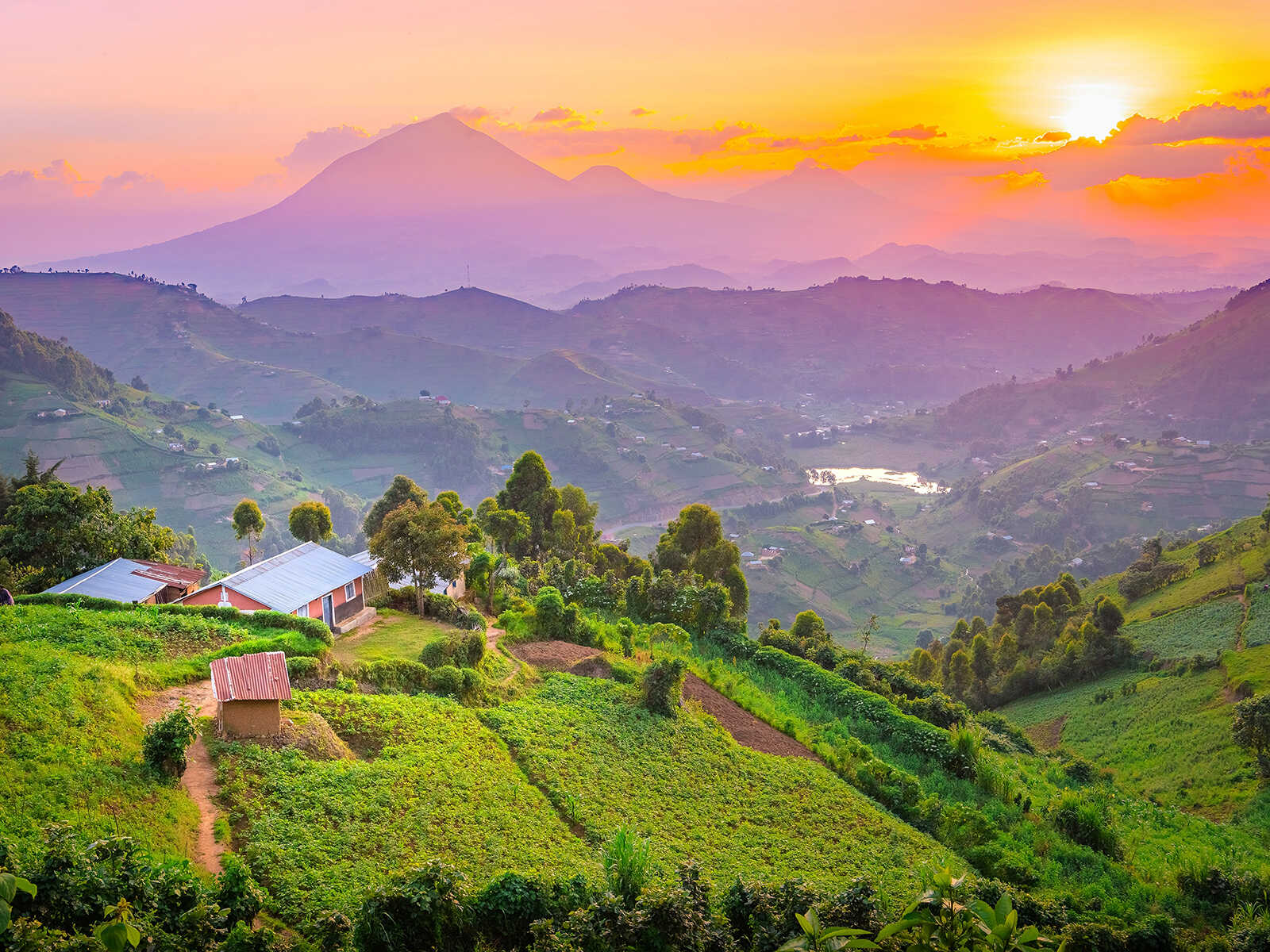
Often referred to as the "green season," these months transform Uganda into a lush, vibrant landscape. While challenging in some aspects, the wet seasons offer unique rewards.
- Lush Landscapes:The scenery is breathtakingly green, offering fantastic photographic opportunities.
- Birdwatcher's Paradise:Migratory birds arrive, and resident species are in their breeding plumage, making it the best time for birdwatching. Uganda boasts over 1,000 bird species!
- Calving Season:Many antelope species give birth during these months, attracting predators and offering dramatic wildlife encounters.
- Fewer Crowds & Lower Rates:With fewer tourists, you can often enjoy a more intimate safari experience and potentially find better deals on accommodation and tours.
- Primate Tracking:While trails can be muddier, the forest environment is vibrant, and the gorillas and chimps are often found at lower altitudes, potentially shortening trekking times.
Challenges during the wet seasons include:
- Muddy Roads:Roads can become challenging, potentially impacting travel times and accessibility to certain areas.
- More Mosquitoes:The increased humidity and standing water mean a higher mosquito population.
- Rain Showers:While rarely continuous all day, rain showers can occur, requiring appropriate rain gear.
Expert Tip:Don't dismiss the wet season entirely! It offers a unique perspective on Uganda's wildlife, with vibrant landscapes and a rich birdlife that can be just as rewarding as dry season viewing, often with fewer crowds.
Optimal Timing for Specific Wildlife Experiences
Gorilla and Chimpanzee Trekking
For the iconic experience of trekking mountain gorillas in Bwindi Impenetrable National Park or Mgahinga Gorilla National Park, and chimpanzees in Kibale Forest National Park, thedry seasons (June-September and December-February)are generally preferred. Drier trails make the hikes less strenuous and more enjoyable. However, wet season trekking is also very popular; the forest is vibrant, and the primates may be found at lower altitudes.
Regardless of the season, gorilla permits are highly sought after and should be booked many months in advance.
Big Game Viewing (Savannah Safaris)
To witness elephants, lions, leopards, buffalo, and rhinos (the "Big Five," though rhinos are only found in Ziwa Rhino Sanctuary), along with giraffes, zebras, and various antelopes, thedry seasonsare ideal. Animals gather around waterholes and rivers, such as the Kazinga Channel in Queen Elizabeth National Park or the Nile River in Murchison Falls, offering fantastic viewing opportunities.
Kidepo Valley National Park, in Uganda's remote northeast, also shines during the dry months, with its unique arid-adapted wildlife concentrating around the Narus Valley water sources.
Birdwatching
Uganda is a birder's paradise year-round, but thewet seasons (March-May and October-November)are particularly exceptional. This is when migratory species join the abundant resident birds, and many species are in their breeding plumage. The lush vegetation provides ample food, making birds more active and visible.
Key birding hotspots include Queen Elizabeth National Park,Murchison Falls, and especially Semuliki National Park (known for its Albertine Rift endemics).
Specific Animal Migrations and Concentrations
While Uganda doesn't host a "Great Migration" akin to the Serengeti-Mara, there are localized movements and concentrations:
- Wildebeest & Zebra:While not a massive migration,Kidepo Valley National Park is home to large herds of zebra and smaller populations of wildebeest, which can be seen year-round, often concentrating near water during the dry season.
- Tree-Climbing Lions:In Queen Elizabeth National Park's Ishasha sector, these unique lions can be spotted throughout the year, but the dry season might offer slightly clearer views as they lounge in fig trees.
- Shoebill Stork:This elusive, prehistoric-looking bird is best sought during the dry season when swamp levels are lower, making it easier for them to hunt and for boats to navigate their wetland habitats, such as Mabamba Bay Wetland near Entebbe or along the Nile in Murchison Falls.
Regional Considerations
- Western & Southwestern Uganda:Home to the gorillas (Bwindi Impenetrable National Park), chimps, and savannah wildlife (Queen Elizabeth National Park,Lake Mburo). Dry seasons are generally preferred for ease of access and trekking, but wet seasons offer lush scenery and fewer crowds.
- Northern Uganda:Murchison Falls and Kidepo Valley National Park are excellent year-round, but dry seasons offer concentrated game viewing. Kidepo's remoteness means road conditions are a significant factor, making the dry season more reliable for travel.
- Eastern Uganda:Areas like Mount Elgon and Sipi Falls are more focused on hiking, cultural experiences, and scenic beauty. While enjoyable year-round, drier conditions make trekking more comfortable.
Planning Your Ugandan Safari
Ultimately, the "best" time to visit Uganda depends on your priorities. If your primary goal is gorilla trekking and savannah game drives with minimal hassle, the dry seasons are ideal. If you're a keen birder, photographer, or prefer a quieter, more intimate experience amidst vibrant landscapes, the wet seasons offer incredible value.
Regardless of when you choose to go, advance planning is crucial, especially for gorilla and chimpanzee permits. Packing appropriate gear for all weather conditions, including rain protection and insect repellent, is always advisable. Embrace the adventure, and Uganda's incredible wildlife will surely leave you with unforgettable memories.