
Planning a Trip to Turkmenistan: Your First-Timer's Guide
Turkmenistan, a land of ancient Silk Road history and futuristic white marble cities, offers an unparalleled travel experience for the adventurous. Often described as one of the world's most enigmatic destinations, it promises a journey filled with unique cultural encounters and breathtaking landscapes. This guide will equip first-time visitors with essential information to plan an unforgettable adventure in this fascinating Central Asian nation.
Why Visit Turkmenistan?
Beyond its reputation for mystery, Turkmenistan boasts a rich tapestry of attractions. From the surreal glow of the Darvaza Gas Crater to the UNESCO-listed ancient ruins of Merv and Köneürgench, and the gleaming, almost otherworldly capital of Ashgabat, the country offers a unique blend of natural wonders and architectural marvels. It's a destination for those seeking genuine discovery, far from the well-trodden tourist paths.
Visa & Entry Requirements
Securing a visa is the first and most crucial step for most visitors to Turkmenistan. The process typically requires an official Letter of Invitation (LOI) issued by a licensed Turkmen travel agency. This means that for tourist visas, you must book a tour with a local operator, who will arrange your LOI and guide you through the visa application at an embassy or upon arrival at Ashgabat International Airport. Transit visas are possible for short stays without an LOI, but they have strict limitations on duration and permitted routes.
Tip:Start your visa application process well in advance, as it can take several weeks or even months. Ensure all your documentation is meticulously prepared.
When to Go
The best times to visit Turkmenistan are during the spring (April to May) and autumn (September to November). These seasons offer mild and pleasant temperatures, ideal for exploring both the desert landscapes and the cities. Summers (June to August) can be extremely hot, with temperatures often exceeding 40°C (104°F), while winters (December to March) are cold, especially in the northern regions and deserts, though Ashgabat experiences relatively moderate winters.
Getting There
The primary gateway to Turkmenistan is Ashgabat International Airport (ASB). Several international airlines offer direct flights to Ashgabat from major hubs in Europe, the Middle East, and Asia. Due to the requirement for an LOI and often an accompanying guide, air travel directly into Ashgabat is the most common and straightforward entry method for first-time tourists.
Getting Around Turkmenistan
Due to the regulated nature of tourism, most first-time visitors will explore Turkmenistan as part of an organized tour. Your tour operator will arrange all necessary transportation, which typically involves private vehicles with a driver and guide. For longer distances, domestic flights between major cities like Ashgabat, Türkmenbaşy, and Dashoguz are available. Within Ashgabat, taxis are plentiful and affordable, though your tour guide will likely manage most of your urban movements.
Top Experiences & Must-See Sights
Ashgabat: The White Marble City
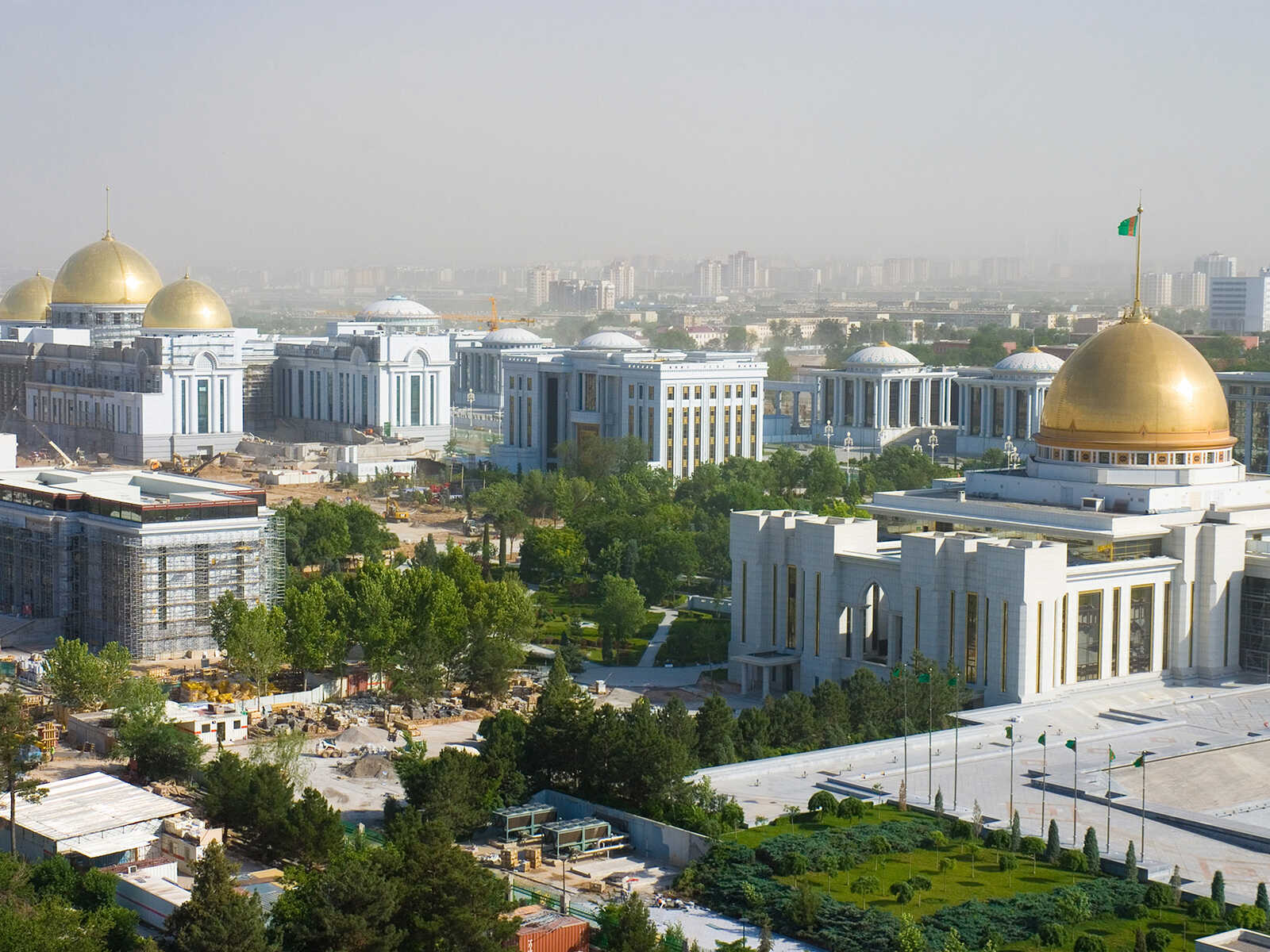
The capital, Ashgabat, is a spectacle in itself – a city of gleaming white marble buildings, vast boulevards, and golden statues, earning it a Guinness World Record for the highest concentration of white marble structures. Key attractions include:
- The Monument of Neutrality:An iconic tripod structure topped with a golden statue of former President Niyazov, rotating to always face the sun.
- Türkmenbaşy Ruhy Metjidi Gypjak Mosque:One of Central Asia's largest mosques, an impressive testament to modern Turkmen architecture and religious significance.
- Old Nisa:Just outside Ashgabat, these ancient ruins are a UNESCO World Heritage site, once a capital of the Parthian Empire, offering a glimpse into Turkmenistan's ancient past.
- The Wedding Palace:A striking multi-story building with a unique architectural design, popular for celebrations and offering panoramic city views.
- The Turkmenistan TV Tower:Visible from across the city, this tower offers another fantastic viewpoint and is a marvel of modern engineering.
Beyond the Capital
Venturing outside Ashgabat reveals the country's diverse landscapes and ancient heritage:
- Darvaza Gas Crater(Door to Hell):A truly unforgettable sight, this perpetually burning natural gas crater in the Karakum Desert glows fiercely after dark, creating an otherworldly spectacle.
- Ancient Merv State Historical and Cultural Park:Another UNESCO World Heritage site, Merv was a major Silk Road oasis city, whose ruins span millennia, showcasing various historical periods.
- Köneürgench:Located in the north, this UNESCO site was once a prominent capital of the Khwarezmian Empire, featuring stunning mausoleums, minarets, and a vast necropolis.
- Yangykala Canyon:Often called "fire fortress," these dramatic red, pink, and orange rock formations in western Turkmenistan create a breathtaking, Martian-like landscape, especially at sunrise or sunset.
Accommodation
In Ashgabat, you'll find a range of hotels, from luxurious international chains to more modest local establishments. Outside the capital, accommodation options become simpler, often consisting of guesthouses or, for desert excursions, traditional yurt camps near sites like the Darvaza Gas Crater. Your tour operator will typically pre-arrange all your lodging as part of your package.
Essential Tips for Travelers
- Currency:The local currency is the Turkmen Manat (TMT). While credit cards are accepted in some major hotels in Ashgabat, cash is king, especially outside the capital. Exchange offices are available, but it's wise to carry enough local currency.
- Language:Turkmen is the official language. Russian is widely spoken, especially in urban areas and among older generations. English is less common but understood in major tourist hotels and by guides.
- Internet & Connectivity:Internet access can be limited and slow. Wi-Fi is available in some hotels in Ashgabat but don't expect widespread or high-speed connectivity. Consider a local SIM card for basic communication if needed, but be aware of registration processes.
- Dress Code:Turkmenistan is a predominantly Muslim country, and while not overly conservative, modest dress is appreciated, particularly when visiting religious sites. For women, this means covering shoulders and knees.
- Photography:While photography is generally allowed, be mindful of local sensitivities. Always ask permission before photographing people. Some government buildings or military sites may be off-limits for photography; your guide will advise you.
- Cultural Etiquette:Politeness and respect for local customs are key. A handshake is a common greeting. Learn a few basic Turkmen or Russian phrases to show goodwill.
- Staying Safe:Turkmenistan is generally a safe country for tourists. However, always exercise standard travel precautions, keep an eye on your belongings, and follow your guide's advice.
Embracing the Unique Experience
Planning a trip to Turkmenistan requires a bit more preparation than many other destinations, primarily due to the visa process and the common requirement for guided tours. However, these factors contribute to the country's unique allure, ensuring a deeply immersive and well-organized experience. By following this guide, you'll be well-prepared to uncover the captivating wonders of Turkmenistan, a journey that promises to be unlike any other.