
Top Togo Tours: Koutammakou, Safari & Cultural Experiences
Togo, a slender nation in West Africa, offers an incredibly rich tapestry of experiences for the intrepid traveler. From ancient traditions preserved in unique architectural styles to vibrant markets and captivating wildlife, Togo promises an unforgettable journey into the heart of West African culture and natural beauty.
Exploring Koutammakou: A UNESCO World Heritage Site
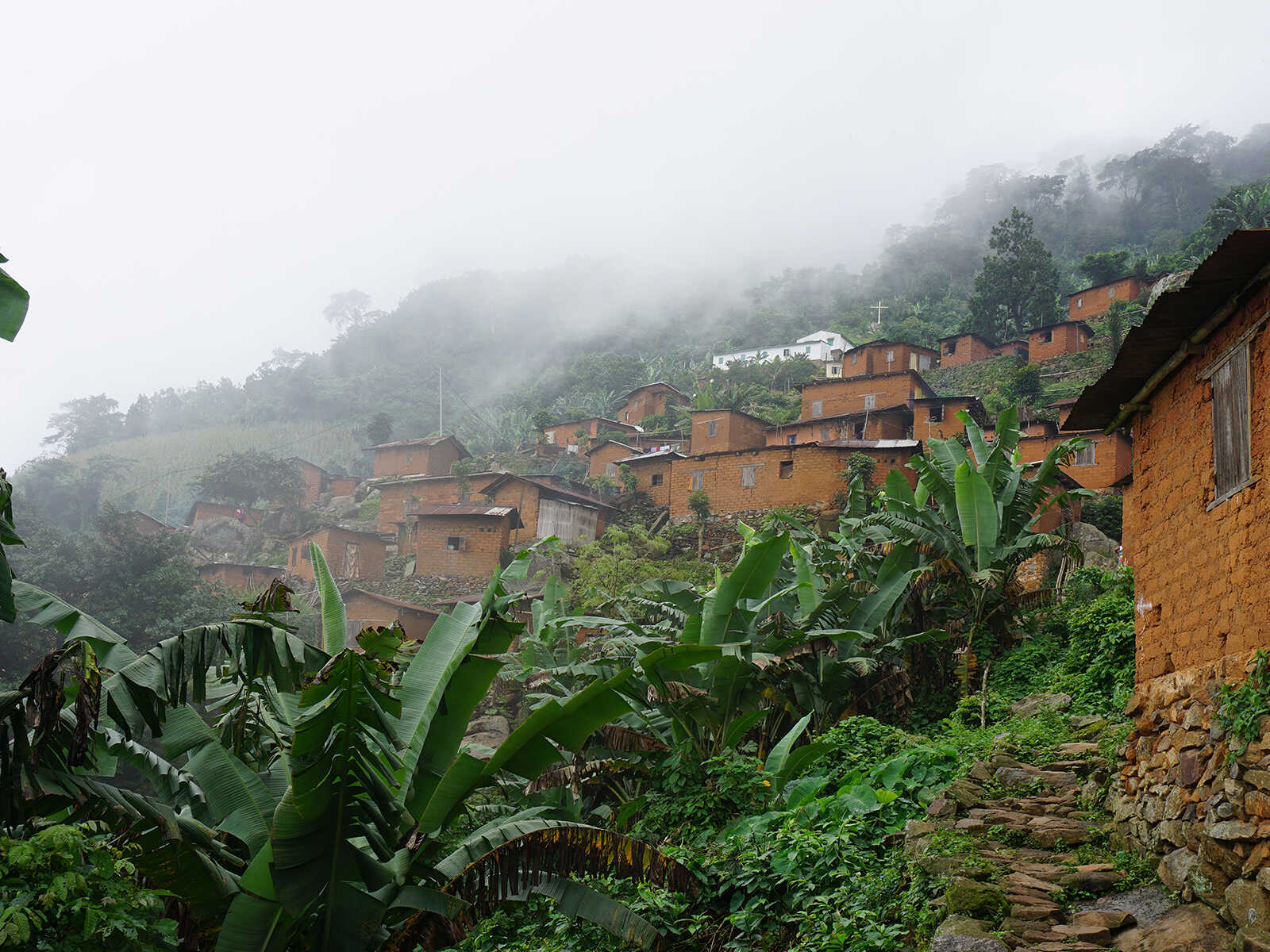
One of Togo's most extraordinary attractions is the Koutammakou, a UNESCO World Heritage site located in the northern Kara region. This cultural landscape is home to the Batammariba people, renowned for their distinctive mud-brick tower-houses, known asTakienta(plural:Takientas).
These fortified dwellings, often referred to as "mud castles," are much more than simple homes; they are miniature architectural masterpieces that reflect the Batammariba's deep connection to their land and traditions. Each Takienta is a multi-story structure with a ground floor used for livestock and storage, and upper levels for living, sleeping, and often a rooftop terrace. Their unique design, featuring conical thatched roofs and intricate patterns, serves both practical and symbolic purposes, providing protection from invaders and the elements, while also embodying the community's spiritual beliefs.
A visit to Koutammakou offers a rare glimpse into a living cultural heritage. Travelers can walk among these ancient structures, often with a local guide who can explain the nuances of Batammariba life, their farming techniques, rituals, and social organization. It's an immersive experience that encourages respect for traditional ways of life and highlights the resilience of human ingenuity.
Interesting Fact:The Takienta mud houses are not merely static buildings; they are continually maintained and rebuilt, with each generation contributing to their preservation, making Koutammakou a living testament to sustainable architecture and cultural continuity.
Togo's Wildlife Encounters: Safari Adventures
While often overlooked for its safari potential compared to East African counterparts, Togo offers intimate and rewarding wildlife experiences, particularly within its protected areas. The premier destination for nature enthusiasts is Fazao-Malfakassa National Park, the country's largest national park.
Spanning diverse landscapes including savannas, forests, and hills,Fazao-Malfakassa National Park is a haven for various species. Visitors on safari drives or guided walks might spot a range of antelopes such as kob, bushbuck, and roan antelope. The park is also home to primates like baboons and various monkey species, alongside a rich birdlife that makes it a prime location for birdwatching. Although sightings are less common, the park harbors larger mammals including elephants and buffalo, adding an element of thrilling unpredictability to any excursion.
The experience here is often more rustic and less crowded than more famous African parks, offering a sense of true wilderness exploration. Engaging with local park rangers and guides provides valuable insights into the ecosystem and the ongoing conservation efforts to protect Togo's natural heritage.
Immersive Cultural Experiences in Togo
Beyond Koutammakou and its wildlife, Togo pulses with vibrant cultural energy, offering numerous opportunities for deep engagement with its people and traditions.
Vibrant Markets & Traditional Practices
Togo's markets are a sensory feast, brimming with color, sound, and activity. The capital city of Lomé boasts several bustling markets, but none are quite as unique as the Akodessewa Fetish Market. This extraordinary marketplace is the largest Voodoo fetish market in the world, serving as a vital hub for traditional healers and practitioners from across West Africa. Here, you'll find an array of intriguing items used in Voodoo rituals, from dried animal parts and skulls to herbs and effigies. While it may seem daunting, a respectful visit with a knowledgeable local guide can provide fascinating insights into a spiritual practice that is deeply embedded in the region's culture, emphasizing its role in healing and community well-being rather than sensationalism.
For more conventional but equally vibrant experiences, explore general markets where you can haggle for locally made crafts, textiles, fresh produce, and delicious street food. These markets are the beating heart of local commerce and a fantastic place to observe daily Togolese life.
Historical and Architectural Gems
Lomé, the capital, offers a blend of colonial architecture and modern African dynamism. The impressive Cathédrale du Sacré-Cœur de Lomé, a stunning example of German colonial architecture, stands as a testament to the city's past. Its intricate design and stained-glass windows provide a serene contrast to the bustling streets outside.
Further exploration of Lomé reveals other historical buildings, monuments, and the lively port area, which is central to Togo's economy and trade.
Coastal Charms and Lakeside Serenity
Togo's coastline offers beautiful, palm-fringed beaches, perfect for relaxation. Beyond the ocean, a short drive from Lomé leads to the tranquil shores of Lake Togo. This serene lagoon is a significant spiritual site for many Togolese and offers opportunities for boat trips, fishing, and visiting traditional fishing villages. The surrounding areas are often used for traditional ceremonies and festivals, providing a glimpse into the region's rich spiritual heritage.
Traditional Arts, Crafts, Music, and Dance
Throughout Togo, traditional arts and crafts thrive. Look for intricate wood carvings, vibrant woven textiles (especially the Kente cloth patterns, though more famously Ghanaian, variations exist), pottery, and handcrafted jewelry. Many communities maintain rich traditions of music and dance, which are integral to celebrations, rituals, and daily life. Attending a local festival or cultural performance can be an exhilarating experience, showcasing the rhythms and movements that define Togolese identity.
Planning Your Togo Adventure: Practical Tips
- Best Time to Visit:The dry season, from November to February, is generally considered the best time to visit, offering pleasant temperatures and easier travel conditions.
- Visa Requirements:Most non-ECOWAS (Economic Community of West African States) nationals will require a visa. It's advisable to check the latest requirements with the Togolese embassy or consulate in your country well in advance of your trip.
- Getting Around:Shared taxis (sept-places) and moto-taxis (zemidjans) are common modes of transport within and between towns. For longer distances or specific tours, hiring a private vehicle with a driver is often recommended.
- Health & Safety:Consult your doctor about necessary vaccinations (Yellow Fever is often required) and malaria prophylaxis. Always drink bottled water and take precautions against mosquito bites.
- Respect Local Customs:Togo is a culturally rich country. Dress modestly, especially when visiting religious or traditional sites. Always ask for permission before taking photographs of people. Learning a few basic phrases in French (the official language) or local languages like Ewe can significantly enhance your interactions.
- Engage with Local Guides:For a truly enriching experience, particularly in places like Koutammakou or the Akodessewa Fetish Market, hiring a knowledgeable local guide is invaluable. They can offer context, facilitate communication, and ensure respectful engagement with communities.
Togo, with its compact size and incredible diversity, invites travelers to step off the beaten path and discover a West African gem. From the ancient traditions of Koutammakou to the wild beauty of its national parks and the vibrant pulse of its cultural centers, a journey through Togo promises profound insights and unforgettable memories.