
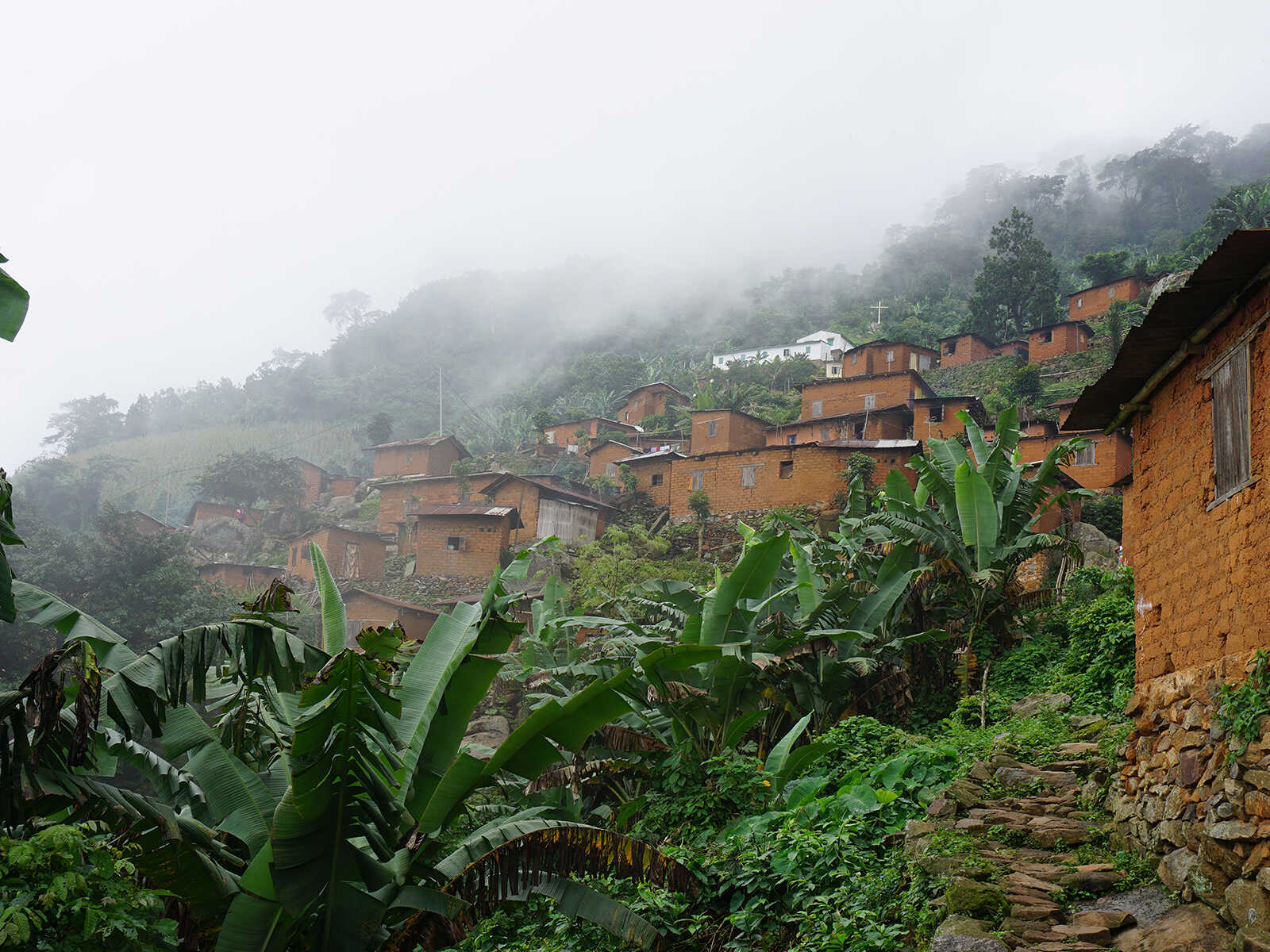
Togo Travel Insurance: Essential Guide for a Safe West African Journey
Embarking on a journey to Togo, a vibrant gem in West Africa, promises an unforgettable experience filled with rich culture, stunning landscapes, and warm hospitality. While planning your adventure, securing comprehensive travel insurance is as crucial as booking your flights and accommodation. It's the cornerstone of a worry-free trip, safeguarding you against unforeseen circumstances.
Why Travel Insurance for Togo is Non-Negotiable
Togo, like any international destination, comes with its own set of potential challenges. From bustling cityscapes to remote villages and national parks, unexpected events can occur. Travel insurance provides a vital safety net, protecting your health, finances, and peace of mind should things not go according to plan.
Medical Emergencies and Health Coverage
Access to advanced medical facilities in Togo, especially outside the capital city of Lomé, can be limited. While local clinics and hospitals exist, they may not meet international standards for complex treatments or emergencies. This makes robust medical coverage, including emergency medical evacuation, paramount.
Common health concerns for travelers to West Africa include malaria, yellow fever, and other tropical illnesses. Should you fall ill, comprehensive travel insurance ensures you have access to appropriate medical care, and if necessary, rapid transportation to a facility that can provide it, even if that means an international medical evacuation. This can be an incredibly costly endeavor without insurance.
Trip Cancellation, Interruption, and Delay
Life is unpredictable, and sometimes, even the best-laid travel plans can go awry. Illness, family emergencies, natural disasters, or unexpected political events can force you to cancel or cut short your trip. Travel insurance can reimburse you for non-refundable expenses like flights, accommodation, and pre-paid tours if your trip is cancelled or interrupted for covered reasons.
Moreover, flight delays are not uncommon in international travel. Policies often include coverage for expenses incurred due to significant delays, such as extra nights at a hotel or meals, helping to mitigate the inconvenience and additional costs.
Baggage and Personal Belongings
Losing luggage or having personal items stolen can be a major headache and a significant financial blow. Whether it's a misplaced suitcase at the airport or an unfortunate incident in a busy market, baggage and personal belongings coverage can provide reimbursement for lost, stolen, or damaged items. This is particularly valuable for essential items like medication, cameras, or travel documents.
Adventure Activities and Specific Coverage
Togo offers opportunities for adventure, from exploring the natural beauty of Fazao-Malfakassa National Park to engaging in water sports on Lake Togo. If your itinerary includes activities like hiking, safaris, or other adventurous pursuits, it's crucial to ensure your policy covers these specific activities. Many standard policies have exclusions for "hazardous" sports, so always check the fine print.
"When traveling to a region like West Africa, flexibility and preparedness are your best allies. Travel insurance isn't just a document; it's a promise of support when you need it most, ensuring that cultural immersion doesn't come at the cost of your safety or financial well-being."
What to Look for in a Togo Travel Insurance Policy
Choosing the right travel insurance requires careful consideration of what coverage you truly need for your Togo adventure.
Key Coverage Areas
- Emergency Medical Treatment & Evacuation:This is arguably the most critical component. Look for high coverage limits (e.g., $100,000 to $500,000 or more) for medical expenses and emergency medical evacuation. Ensure it covers transport from remote areas, like those near Koutammakou, to appropriate medical facilities.
- Trip Cancellation/Interruption:Covers non-refundable expenses if your trip is cancelled or cut short due to a covered reason.
- Baggage Loss/Delay:Provides reimbursement for lost, stolen, or delayed luggage and personal effects.
- Personal Liability:Covers legal expenses and damages if you accidentally injure someone or damage their property.
- 24/7 Emergency Assistance:A crucial service that can help you locate medical facilities, arrange transportation, replace lost passports, and provide translation services in an emergency.
Important Policy Considerations
- Policy Limits:Pay close attention to the maximum payouts for each coverage type. Lower limits might save you money upfront but could leave you underinsured in a major emergency.
- Deductibles:Understand any deductibles you might have to pay before your insurance coverage kicks in.
- Exclusions:Carefully review the policy for any exclusions. This could include pre-existing medical conditions, specific adventure activities, or travel to certain regions. If you have pre-existing conditions, ensure your policy offers a waiver or specific coverage.
- COVID-19 Coverage:In the current travel climate, verify if your policy includes coverage for COVID-19 related medical emergencies, trip cancellations, or quarantine costs.
Before You Buy: Essential Steps
Don't rush into purchasing the first policy you see. A little research can go a long way:
- Compare Policies:Get quotes from multiple reputable insurance providers. Compare not just prices, but also coverage limits, deductibles, and exclusions.
- Read the Fine Print:The policy document is often lengthy, but understanding its terms and conditions is vital. Pay special attention to the "General Exclusions" and "Conditions" sections.
- Declare Pre-existing Conditions:Be honest and thorough when declaring any pre-existing medical conditions. Failure to do so could invalidate your claim.
- Understand the Claims Process:Know what documentation you'll need (e.g., medical reports, police reports for theft, airline delay certificates) and how to submit a claim efficiently.
- Keep Policy Documents Accessible:Store digital and physical copies of your policy, emergency contact numbers, and claims procedure information. Share details with a trusted person at home.
Navigating Emergencies in Togo
Even with insurance, knowing how to act in an emergency is crucial. Keep a list of important numbers:
- Your insurance provider's 24/7 emergency assistance line.
- The local emergency services number in Togo (117 for police, 118 for fire, 121 for ambulance).
- Your embassy or consulate contact information in Lomé.
Should you require medical assistance, contact your insurance provider's emergency line immediately. They can help direct you to the nearest appropriate medical facility, whether it's a local clinic or a larger hospital in Lomé, like near the Cathédrale du Sacré-Cœur de Lomé, or arrange for evacuation if necessary.
Beyond Insurance: Additional Safety Tips for Togo
While insurance is a safety net, proactive measures enhance your safety:
- Register with Your Embassy:Many countries offer programs to register your travel plans, making it easier for them to locate and assist you in an emergency.
- Stay Informed:Monitor local news and your government's travel advisories for Togo before and during your trip.
- Respect Local Customs:Togo is rich in culture. Be mindful of local traditions, especially when visiting culturally significant sites like the Akodessewa Fetish Market or the Tamberma Valley in Koutammakou. Dressing modestly and asking permission before taking photos are good practices.
- Practice Personal Safety:Be aware of your surroundings, especially in crowded areas. Secure your valuables and avoid walking alone at night.
- Stay Hydrated and Protected:The West African sun can be intense. Drink plenty of water and use sunscreen.
- Secure Transportation:Use reputable taxi services or pre-arranged transport.
Conclusion
Traveling to Togo offers a profound and enriching experience. By investing in comprehensive travel insurance, you equip yourself with the confidence and security to fully immerse yourself in its wonders, knowing you're prepared for whatever journey unfolds. It's not an expense; it's an essential part of responsible and enjoyable travel to this captivating West African nation.