

Koutammakou Travel Guide: Exploring the Land of the Batammariba
Embark on an extraordinary journey to Koutammakou, a UNESCO World Heritage site in northern Togo, where ancient traditions endure amidst a breathtaking landscape. This comprehensive guide will help you navigate the land of the Batammariba people, revealing their unique mud architecture and rich cultural heritage.
Discovering Koutammakou: Togo's Cultural Gem
Koutammakou, meaning "the place where the Koutammari live" (Koutammari being another name for the Batammariba people), is a remarkable cultural landscape nestled in the Atakora Mountains. It stands as a living testament to the resilience and ingenuity of the Batammariba, whose way of life has remained largely unchanged for centuries.
The region is renowned for its iconic fortified mud tower-houses, known astakienta(orsukalain some dialects). These multi-storey structures are not merely dwellings; they are intricate mini-fortresses that serve as homes, granaries, and sacred spaces, embodying the spiritual and social beliefs of the Batammariba. Recognized by UNESCO in 2004,Koutammakou offers an unparalleled opportunity to step back in time and witness a truly unique human settlement.
Why Visit Koutammakou?
A visit to Koutammakou is more than just sightseeing; it's an immersive cultural experience. Travelers are drawn here for several compelling reasons:
- Unique Architecture:Marvel at the ingenious design and construction of thetakienta, which are perfectly adapted to the environment and the Batammariba's defensive needs.
- Authentic Cultural Immersion:Engage directly with the Batammariba people, observe their daily lives, and gain insight into their animist beliefs, rituals, and social structures.
- Untouched Landscape:Experience the serene beauty of the region, characterized by rolling hills, sparse vegetation, and the distinctive silhouettes of the mud houses.
- Living History:Koutammakou is a rare example of a traditional society where ancient customs are actively practiced and preserved.
Did You Know?The design of thetakientais believed to reflect the human body, with the ground floor representing the legs, the first floor the torso, and the granary the head. This architectural philosophy highlights the deep connection between the Batammariba people, their homes, and their worldview.
Getting to Koutammakou
Koutammakou is located in northern Togo, close to the border with Benin. The most common access point is via the city of Kara, which serves as a regional hub with more amenities.
- From Lomé:The journey from the capital, Lomé, to Kara is a long one, typically taking 7-9 hours by bus or private vehicle.
- From Kara:From Kara, you'll need to arrange transportation to the core Koutammakou area, particularly around the villages of Nadoba and Kpalimé. A 4x4 vehicle is highly recommended, especially during the rainy season, as roads can be rough and unpaved. Taxis or private drivers can be hired in Kara.
- Border Crossing:If coming from Benin, you might cross at the Nadoba border post, which leads directly into the heart of Koutammakou.
The journey itself offers scenic views of Togo's interior, transitioning from the more urbanized south to the rural, rugged north.
Exploring the Land of the Takienta: What to See and Do
Immerse in Batammariba Life
The primary draw of Koutammakou is its unique cultural landscape and the opportunity to interact with its people. With a local guide (highly recommended, see below), you can:
- Visit a Takienta:Some families generously open their homes to visitors, offering a glimpse into their multi-functional living spaces, including sleeping areas, kitchens, and granaries.
- Observe Daily Activities:Witness traditional farming practices, food preparation, pottery making, and other aspects of daily Batammariba life.
- Learn About Animist Beliefs:Discover the spiritual significance of various objects and places within the landscape, including fetish sites and sacred trees.
Guided Tours
Hiring a local guide is crucial for a meaningful and respectful visit. Guides not only help with navigation and language barriers (French and local languages are spoken) but also provide invaluable cultural insights, facilitate interactions with locals, and ensure you respect local customs. They are often available in Kara or at the entrance to the Koutammakou area.
Photography
The landscape and architecture of Koutammakou are incredibly photogenic. However, always ask for permission before taking photos of people, especially children. A small gratuity is often appreciated.
Best Time to Visit
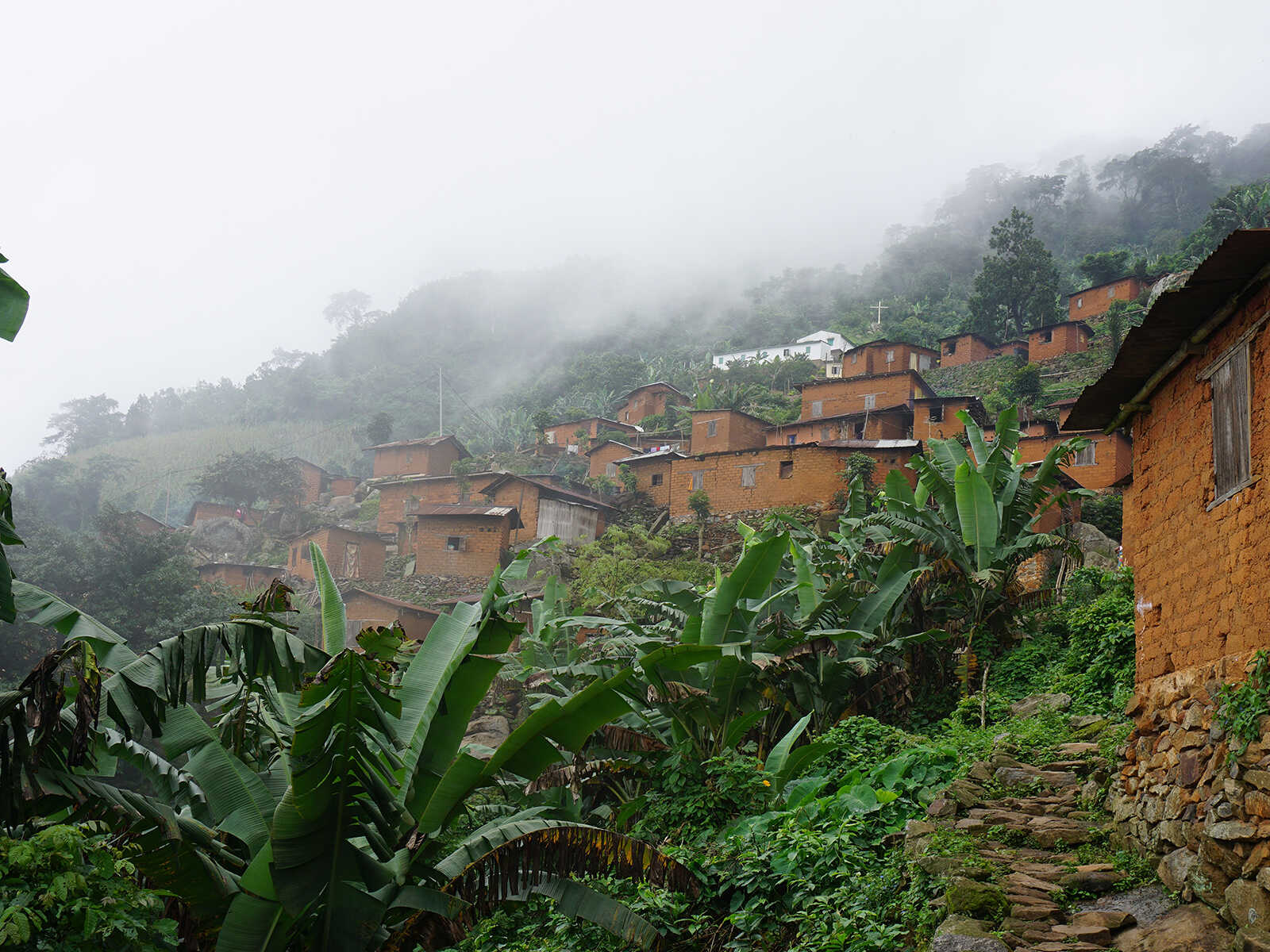
The best time to visit Koutammakou is during thedry season, from November to March. During these months, the weather is generally cooler and less humid, and the roads are more accessible. The rainy season (April to October) can make travel challenging due to muddy roads, but it also brings lush greenery to the landscape.
Accommodation and Facilities
Accommodation options directly within Koutammakou are very basic, primarily consisting of guesthouses or the possibility of homestays arranged through a local guide. For more comfortable lodging, it's advisable to stay in Kara and make day trips to Koutammakou.
Facilities like ATMs, reliable electricity, and modern communication networks are scarce in the core Koutammakou area. Be prepared by carrying sufficient cash, power banks, and any necessary supplies.
Respectful Travel Tips for Koutammakou
To ensure a positive experience for both visitors and the local community, please observe these guidelines:
- Dress Modestly:Especially when visiting villages or sacred sites.
- Ask Permission:Always ask permission before taking photos of people or entering private compounds.
- Hire Local Guides:Support the local economy and gain deeper understanding.
- Learn Basic Phrases:Even a few words of French or a local dialect can go a long way.
- Be Patient and Flexible:Things may operate on "Togo time."
- Leave No Trace:Carry out all your trash and minimize your environmental impact.
- Bargain Respectfully:If purchasing crafts, engage in polite negotiation.
Beyond Koutammakou: Exploring More of Togo
While Koutammakou offers a profound cultural experience, Togo has much more to offer. Consider extending your journey to explore other facets of this West African nation:
- Nature and Wildlife:Head south to Fazao-Malfakassa National Park, Togo's largest protected area, for opportunities to see diverse wildlife and lush landscapes.
- Coastal Charms:Experience the vibrant capital, Lomé, home to the impressive Cathédrale du Sacré-Cœur de Lomé and the fascinating, albeit sometimes confronting,Akodessewa Fetish Market. Further east, relax by Lake Togo, a tranquil lagoon offering boat rides and historical insights.
- Market Life:Explore local markets throughout the country, a true feast for the senses and a chance to interact with Togolese people.
Koutammakou is a destination that promises to leave an indelible mark on your memory. By embracing respectful and responsible tourism, you contribute to the preservation of this extraordinary cultural heritage for generations to come.