
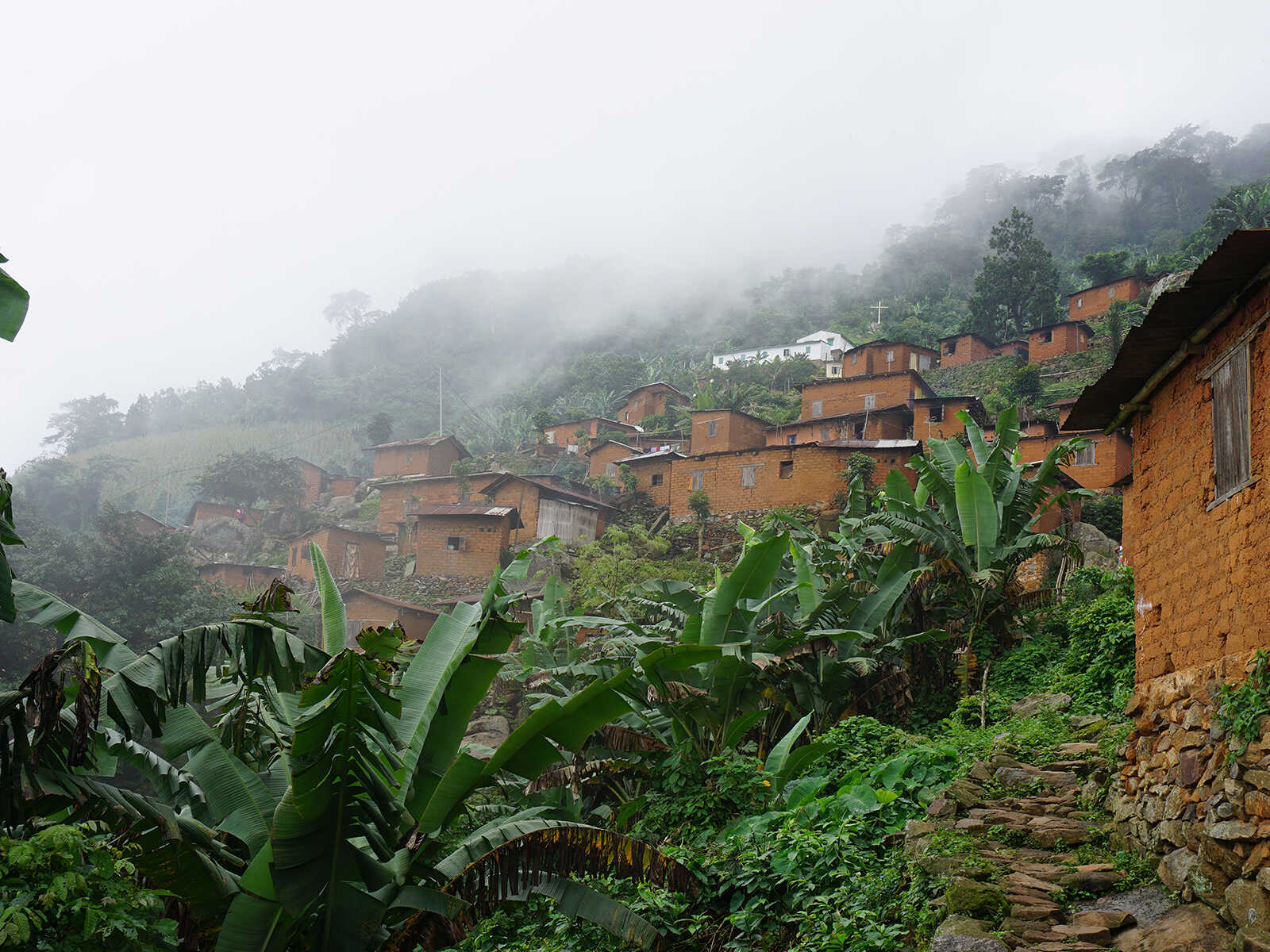
Is Togo Worth Visiting? Unveiling West Africa's Hidden Gem
Togo, a slender nation nestled along the Gulf of Guinea, often remains off the radar for many travelers. Yet, this West African country offers a compelling tapestry of vibrant cultures, rich history, and diverse landscapes awaiting discovery by the adventurous. From bustling markets to ancient traditions, Togo promises an authentic and unforgettable journey.
Why Togo? Unpacking West Africa's Authentic Charm
For those seeking an immersive travel experience away from the well-trodden tourist paths, Togo presents a unique opportunity. It's a country where traditional ways of life persist, where history whispers from colonial buildings, and where nature unfolds in a variety of forms. Togo provides a chance to connect deeply with local communities and witness the authentic pulse of West Africa.
Cultural Immersion and Historical Echoes
Togo's cultural landscape is incredibly rich, a mosaic of diverse ethnic groups, spiritual practices, and historical influences. Exploring its cities and rural areas offers profound insights into its heritage.
Vibrant Markets and Voodoo Traditions
Lomé, the capital city, is a sensory delight. Its sprawling markets are a hub of activity, where vendors sell everything from textiles and handicrafts to fresh produce and traditional medicines. The atmosphere is electric, a true reflection of Togolese daily life.
Perhaps one of Lomé's most unique sites is the Akodessewa Fetish Market. This isn't a typical tourist attraction but rather a significant spiritual center where traditional healers and practitioners source ingredients for voodoo rituals. Visiting requires respect and an open mind, offering a fascinating, albeit intense, glimpse into animist beliefs that are still deeply ingrained in Togolese society.
Colonial Echoes and Modern Faith
Lomé's architecture tells tales of its German and French colonial past, evident in some of its grander buildings. Standing prominently is the impressive Cathédrale du Sacré-Cœur de Lomé, a striking example of German colonial architecture built in the early 20th century. Its vibrant yellow façade and intricate details make it a notable landmark and a testament to the country's diverse spiritual landscape, where Christianity coexists with traditional beliefs.
The Tamberma People and Koutammakou
Venturing north, one encounters a truly extraordinary cultural treasure:Koutammakou, a UNESCO World Heritage site. This region is home to the Batammariba people (also known as the Tamberma), who live in distinctive mud-built tower-houses calledtakienta. These fortress-like homes, often adorned with symbolic details, are not just dwellings but a reflection of their cosmology and social structure. A visit to Koutammakou offers an unparalleled opportunity to understand ancient architectural traditions and a way of life that has remained largely unchanged for centuries.
Did you know?Thetakientahouses of Koutammakou are often referred to as "mud castles" due to their defensive structure and intricate design, making them one of Africa's most unique architectural styles.
Nature and Adventure Beyond the Cities
Beyond its cultural richness, Togo boasts diverse natural beauty, from its Atlantic coastline to rolling hills and dense forests.
Coastal Beauty and Relaxing Lakes
Lomé's coastline offers sandy beaches where locals and visitors can relax, enjoy fresh seafood, and watch traditional fishing pirogues. Just east of Lomé lies Lake Togo, a tranquil lagoon offering opportunities for boat rides, fishing, and visiting charming lakeside villages. It's a peaceful escape from the city's hustle, perfect for observing local life along the water.
Lush Landscapes and Wildlife Potential
Inland, Togo's landscape transforms into rolling hills, savannas, and patches of rainforest. While wildlife viewing can be challenging due to habitat loss and poaching, areas like Fazao-Malfakassa National Park offer significant biodiversity. As Togo's largest national park, it encompasses a variety of ecosystems, from dense forests to savanna woodlands, and is home to various bird species, antelopes, and primates, though sightings often require patience and a good guide.
Further north, the Plateaux region offers cooler temperatures, picturesque waterfalls like Kpalimé's Cascade de Womé, and lush coffee and cocoa plantations. Hiking through these areas provides stunning views and a chance to experience Togo's agricultural heartland.
Practical Travel Tips for Visiting Togo
To make the most of your Togolese adventure, consider these practical aspects:
- Getting There:Gnassingbé Eyadéma International Airport (LFW) in Lomé is the main international gateway.
- Getting Around:Bush taxis (shared taxis) and zemidjans (motorcycle taxis) are common for inter-city and intra-city travel. For longer distances or more comfort, hiring a private car and driver is an option.
- Accommodation:Options range from international hotels in Lomé to guesthouses and simpler lodgings in rural areas.
- Cuisine:Togolese cuisine features staples likefufu(pounded yam or cassava), rice, and various stews often accompanied by grilled fish or chicken. Don't miss trying local palm wine or fresh fruit juices.
- Language:French is the official language. Learning a few basic phrases will be greatly appreciated. Local languages include Ewe, Kabyé, and Mina.
- Best Time to Visit:The dry season, from November to February, offers pleasant weather for travel. April to October is the rainy season, which can make some roads challenging.
- Safety:Togo is generally considered safe for travelers, but standard precautions apply: be aware of your surroundings, especially in crowded markets, and avoid walking alone at night. Respect local customs and traditions.
- Visa:Most visitors require a visa, which can often be obtained on arrival at the airport or in advance from a Togolese embassy. Always check the latest requirements for your nationality.
Is Togo Worth Visiting? The Verdict
Absolutely. Togo is undeniably worth visiting for the intrepid traveler seeking an authentic, culturally rich, and less-explored West African experience. It may not have the extensive tourist infrastructure of some other destinations, but what it offers in return is unparalleled authenticity.
From the spiritual intensity of the Akodessewa Fetish Market and the architectural marvels of Koutammakou to the serene beauty of Lake Togo and the potential for wildlife sightings in Fazao-Malfakassa, Togo presents a diverse array of experiences. It's a destination that challenges perceptions, rewards curiosity, and leaves a lasting impression on those willing to delve into its hidden charms. If you're looking to uncover a true West African gem, Togo should be high on your list.