
How to Get to Koutammakou: Transport Options & Travel Tips
Koutammakou, a UNESCO World Heritage site in northern Togo, offers a unique glimpse into the traditional way of life of the Batammariba people. Its iconic mud-brick "takienta" tower-houses are a marvel of indigenous architecture and a testament to a rich cultural heritage. This guide will walk you through the various transport options and essential tips to help you plan your journey to this extraordinary destination.
Understanding Koutammakou and Its Location
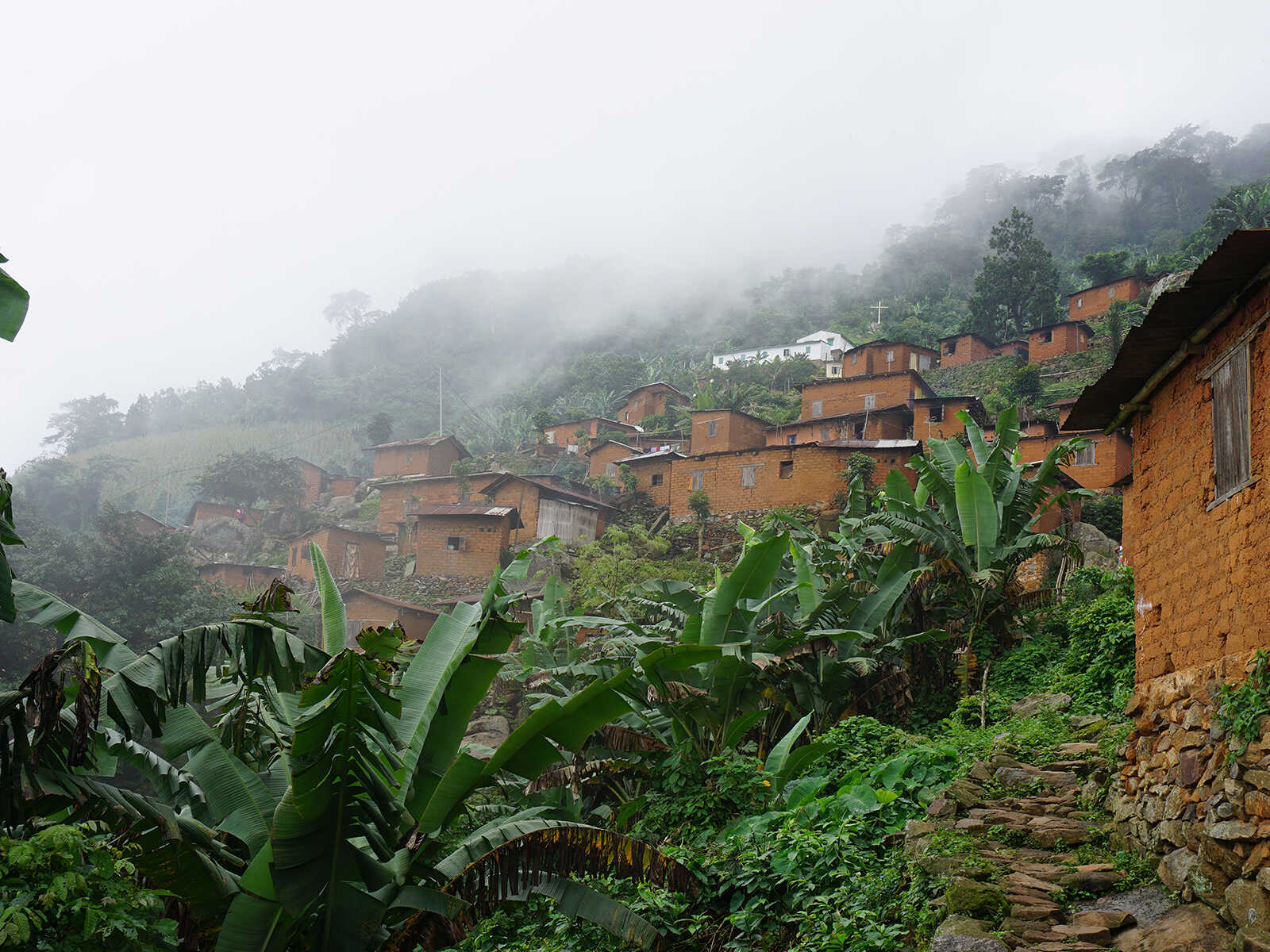
Often referred to as the "land of the Batammariba",Koutammakou is a UNESCO World Heritage site located in the northern reaches of Togo, extending into neighboring Benin. This remarkable cultural landscape is renowned for its distinctive mud-brick tower-houses, known astakienta, which serve as both homes and small fortresses for the Batammariba people. The region's remote location, nestled within a rugged landscape, has helped preserve its unique architecture and traditions, making it a truly authentic and unforgettable destination for travelers.
Primary Access Point: Lomé
For most international visitors, the journey to Koutammakou begins in Lomé, Togo's vibrant capital city. Lomé is home to Gnassingbé Eyadéma International Airport (LFW), the country's main international gateway. From Lomé, you'll embark on a journey northward, traversing a significant portion of the country to reach the Koutammakou region.
While in Lomé, consider spending a day or two exploring its unique attractions, such as the bustling Akodessewa Fetish Market or the impressive Cathédrale du Sacré-Cœur de Lomé, before heading north.
Getting from Lomé to the North
The journey from Lomé to the northern regions, particularly towards cities like Kara or Dapaong, which serve as gateways to Koutammakou, is a significant undertaking. Several transport options are available, each with its own balance of speed, comfort, and cost.
By Air (Domestic Flights)
The quickest way to cover the vast distance from Lomé to the north is by flying. Domestic flights typically operate between Lomé and Kara, the regional capital of the Kara region. While this option significantly reduces travel time, flight schedules can be infrequent, and availability may be limited. Booking well in advance is advisable.
Upon arrival at Kara Airport, you will still need to arrange onward ground transportation to reach the Koutammakou area.
By Road (Bus and Minibus)
Traveling by road is the most common and often the most authentic way to experience Togo. Several reputable bus companies offer long-distance services from Lomé to northern cities like Kara, Sokodé, and Dapaong. These buses typically depart from specific stations in Lomé and offer varying levels of comfort.
- Long-Distance Buses:These are generally the most comfortable and reliable option for inter-city travel. They often have scheduled departure times and make designated stops. The journey to Kara can take a full day.
- Minibuses (Bush Taxis / Shared Taxis):For a more local experience, shared taxis or minibuses are ubiquitous. They depart once full and can be faster than buses on some routes, but they are often less comfortable and can be crowded. They offer greater flexibility in terms of departure points and destinations, but require more negotiation and patience.
Whichever road option you choose, be prepared for long journeys, potentially bumpy roads, and frequent stops. Ensure you carry enough water and snacks.
Private Vehicle / Car Rental with Driver
For those prioritizing comfort, flexibility, and directness, hiring a private vehicle with a local driver is an excellent choice. This option allows you to set your own pace, make stops as you wish, and benefit from the driver's local knowledge and experience. A good driver can also assist with navigation and cultural insights.
Travel Tip:While more expensive, a private driver can be invaluable for navigating the complex routes and local customs, especially as you get closer to the Koutammakou region, where signage may be limited and local knowledge is paramount.
Negotiate the fare in advance and ensure it includes fuel and the driver's accommodation if you plan for multi-day trips.
The Final Leg: From Kara/Dapaong to Koutammakou
Once you've reached a major northern town like Kara or Dapaong, you're closer to Koutammakou, but the journey isn't over. The Koutammakou region is not a single town but a vast cultural landscape encompassing several villages inhabited by the Batammariba people. The primary entry points into the heart of Koutammakou are typically via villages such as Nadoba or Kante (Kandé).
From Kara
Kara is a bustling regional hub and a common staging point for Koutammakou. From Kara, you'll need to arrange transport eastward towards Nadoba or Kandé. Options include:
- Bush Taxis/Shared Cars:These operate regularly between Kara and smaller towns like Kandé. From Kandé, you can find further transport or arrange for a guide to meet you.
- Moto-Taxis (Zemidjans):For shorter distances or once you are closer to the villages, moto-taxis are common. They are a flexible way to navigate rural roads, but ensure your driver knows the exact destination and agree on a fare beforehand.
- Pre-arranged Transport:If you've hired a private driver from Lomé or arranged a tour, they will typically take you directly into the Koutammakou area and coordinate with a local guide.
From Dapaong
If you're approaching Koutammakou from further north (e.g., from Burkina Faso or northern Ghana), Dapaong might be your primary entry point. From Dapaong, you would head southeast towards the Koutammakou villages. Similar transport options (bush taxis, moto-taxis, private arrangements) apply.
Navigating within Koutammakou
Once you are in the vicinity of the Koutammakou villages, the best way to explore is often on foot, accompanied by a local guide. The landscape is dotted withtakienta, and walking allows for intimate encounters with the architecture and the people. Moto-taxis can be used to cover longer distances between clusters of villages, but a significant part of the experience is walking through the fields and pathways.
Essential Travel Tips for Koutammakou
To make your visit to Koutammakou as rewarding and respectful as possible, keep the following tips in mind:
Accommodation
Accommodation options directly within the UNESCO site are very limited, often basic, and managed by local communities. Many visitors choose to stay in nearby towns like Kandé or even Kara and make day trips into Koutammakou. Some local families may offer homestays, providing a truly immersive experience; arrange these through a reputable local guide or tour operator.
Local Guides are Essential
It cannot be stressed enough: visiting Koutammakou with alocal guide is not just recommended, it's essential. A local guide provides invaluable cultural interpretation, helps navigate the area, facilitates respectful interactions with the Batammariba people, and ensures you understand local customs and traditions. They also often manage any community entry fees.
Permits and Fees
While there are no official national park entry fees, local communities in Koutammakou often request a small contribution or fee for visitors. Your local guide will typically handle this, ensuring the funds directly benefit the communities you visit. Always respect these requests.
What to Bring
- Water:Stay hydrated, especially during the dry season.
- Sun Protection:Hat, sunglasses, and high-SPF sunscreen are crucial.
- Sturdy Shoes:You'll be doing a lot of walking on uneven terrain.
- Modest Clothing:Respect local customs by dressing conservatively, especially when visiting villages.
- Insect Repellent:Protection against mosquitoes is important.
- Small Gifts:While not obligatory, small, appropriate gifts (e.g., school supplies for children, tobacco for elders) can be a kind gesture, but always offer them respectfully and discreetly.
Cultural Sensitivity
The Batammariba people are proud of their heritage. Always ask for permission before taking photographs of people or their homes. Be open to learning about their animist beliefs and unique way of life. A simple "Bonjour" or "Bonsoir" in French, or even a local greeting, can go a long way.
Best Time to Visit
The dry season (roughly November to February) offers the most comfortable travel conditions, with less humidity and easier road access. However, the green season (June to October) transforms the landscape into a lush, vibrant panorama, though roads can be more challenging. Plan your visit based on your preferences for weather and accessibility.
Beyond Koutammakou: Exploring Northern Togo
While Koutammakou is undoubtedly a highlight, northern Togo offers other fascinating experiences. Depending on your itinerary and interests, you might consider visiting other cultural sites or natural landscapes in the region. Although further south,Fazao-Malfakassa National Park offers a different kind of adventure, showcasing Togo's diverse ecosystems and wildlife, and could be integrated into a broader exploration of the country.
Embark on Your Koutammakou Adventure
Visiting Koutammakou is an immersion into a living cultural heritage that remains remarkably untouched by the outside world. While the journey requires planning and patience, the reward of experiencing the unique architecture and profound traditions of the Batammariba people is immeasurable. Prepare for an unforgettable adventure that will leave you with a deeper appreciation for Togo's rich cultural tapestry.