
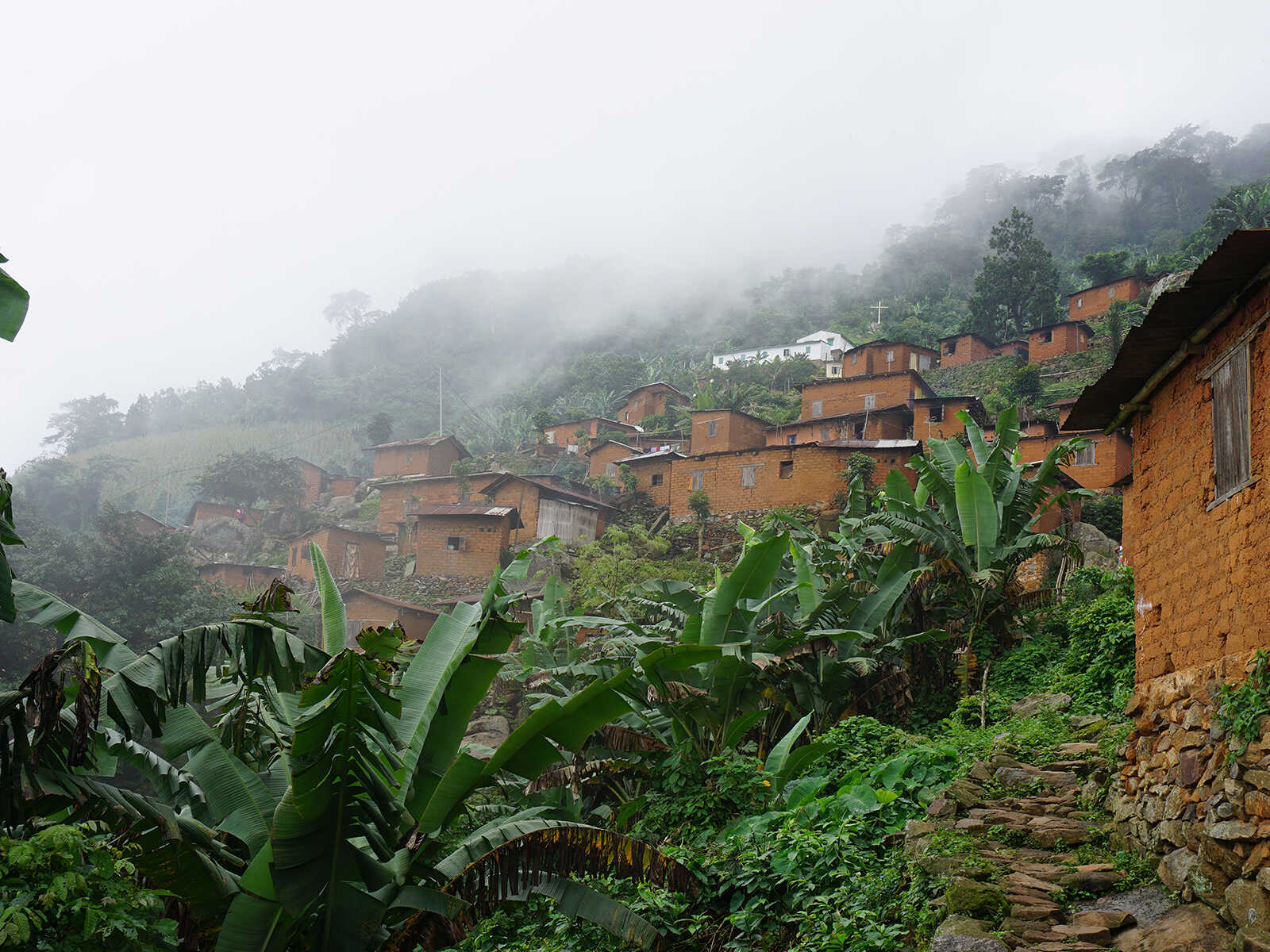
Best Time to Visit Togo for Adventure & Cultural Immersion
Togo, a slender nation stretching from the Gulf of Guinea into the heart of West Africa, offers a captivating blend of vibrant cultures, rich history, and diverse landscapes. To truly unlock its treasures, from ancient traditions to thrilling safaris, understanding the best time to visit is key for an unforgettable adventure and deep cultural immersion.
Understanding Togo's Climate: Dry vs. Rainy Seasons
Togo experiences a tropical climate characterized by two distinct seasons: the dry season and the rainy season. Each brings its own charm and challenges, influencing the types of activities and experiences you can enjoy.
The Dry Season: November to February (The Golden Window)
This period is widely considered the optimal time to visit Togo. The weather is generally sunny, warm, and dry, making it ideal for exploring both the coast and the interior.
- Weather:Expect consistent sunshine, lower humidity, and comfortable temperatures ranging from 25°C to 30°C (77°F to 86°F). Nights can be cooler, especially inland.
- Adventure:The dry conditions are perfect for trekking and wildlife viewing. Roads are easily navigable, making travel to remote areas like Fazao-Malfakassa National Park much smoother. Here, you can embark on safaris to spot elephants, buffalos, and various antelopes. The clear skies and dry trails also make for excellent hiking in the Atakora Mountains.
- Cultural Immersion:Many traditional festivals take place during the dry season, particularly around harvest times or New Year celebrations. This is also the best time to visit the UNESCO World Heritage site of Koutammakou, home to the Batammariba people and their iconic Tata Somba mud houses, as travel within the region is unhindered. Exploring urban centers like Lomé, including the fascinating Akodessewa Fetish Market and the grand Cathédrale du Sacré-Cœur de Lomé, is also more pleasant without the heat and humidity of other seasons.
Tip:While generally dry, the Harmattan wind, a dry, dusty trade wind, can blow from the Sahara during December and January. It can reduce visibility and bring cooler temperatures, especially in the mornings and evenings.
The Transition Period: March to April (Hot & Humid)
As the dry season gives way to the rains, Togo experiences a short, intensely hot and humid period.
- Weather:Temperatures can soar above 35°C (95°F), with increasing humidity as the first scattered showers begin.
- Adventure:While intense heat can make strenuous outdoor activities challenging, coastal areas like Lomé and beaches offer some respite. Water activities on Lake Togo or along the coast can be refreshing.
- Cultural Immersion:Fewer major festivals are typically held, but local markets and daily life continue. This period might appeal to those who prefer fewer tourists and don't mind the heat.
The Rainy Season: May to October (Lush & Less Crowded)
The rainy season brings significant rainfall, particularly from May to July, with a shorter, less intense rainy period in September and October. August often sees a temporary lull in rainfall.
- Weather:High humidity and frequent, often heavy, downpours are characteristic. Temperatures remain warm, typically around 28°C (82°F).
- Adventure:While roads, especially unpaved ones, can become difficult or impassable, the landscape transforms into a vibrant, lush green. This can be a fantastic time for photographers seeking dramatic skies and verdant scenery. Wildlife in national parks might be harder to spot due to dense foliage, but water levels are high, making some river-based activities possible.
- Cultural Immersion:Travel can be slower, but local communities are often less busy with tourism, offering a more authentic glimpse into daily life. Festivals are less common, but cultural experiences in cities like Lomé, including visits to the Akodessewa Fetish Market, are still viable.
Consideration:If you plan to visit during the rainy season, focus your itinerary on accessible urban areas and be prepared for potential travel delays due to road conditions.
Tailoring Your Visit: By Interest
For Cultural Immersion Enthusiasts
For the richest cultural experience, aiming for thedry season (November to February)is highly recommended. This period coincides with numerous traditional festivals, harvest celebrations, and ancestral ceremonies across the country. Traveling to remote villages and historical sites like Koutammakou is much easier. You'll have better access to local markets, including the unique Akodessewa Fetish Market in Lomé, and can comfortably explore the city's landmarks such as the Cathédrale du Sacré-Cœur de Lomé.
- Best Time:November to February.
- Second Best:March to April (for urban cultural experiences, fewer festivals).
For Adventure Seekers
Adventure activities, particularly those involving trekking, wildlife safaris, and extensive travel across diverse terrains, are best undertaken during thedry season (November to February). The dry conditions make trails accessible, increase visibility for wildlife spotting in places like Fazao-Malfakassa National Park, and ensure easier road travel between destinations. Water activities, such as boating on Lake Togo, are also pleasant during this period due to favorable weather.
- Best Time:November to February.
- Second Best:Early March for coastal activities before the intense heat and humidity.
Seasonal Considerations & Practical Tips
- Crowds & Accommodation:The dry season is peak tourist season, meaning more visitors and potentially higher demand for accommodation. Booking in advance is advisable. The rainy season sees fewer tourists, offering a more tranquil experience and potentially better deals.
- Health Precautions:Mosquito activity is higher during the rainy season, so robust mosquito protection (repellent, nets, appropriate clothing) is crucial. Year-round, consult your doctor about necessary vaccinations and anti-malarial medication.
- Road Conditions:While major paved roads are generally fine, unpaved rural roads, critical for reaching many cultural and natural sites, can become challenging or impassable during heavy rains. A 4x4 vehicle is highly recommended if traveling during the rainy season.
- Packing Essentials:
- Dry Season:Lightweight, breathable clothing, sun hat, sunglasses, sunscreen, sturdy walking shoes, light jacket for cooler evenings.
- Rainy Season:Lightweight, quick-drying clothing, waterproof jacket/poncho, waterproof bags for electronics, insect repellent, sturdy waterproof shoes.
- Flexibility:Regardless of when you visit, maintaining a degree of flexibility in your plans is always wise when traveling in West Africa.
Conclusion
While Togo offers unique experiences year-round, thedry season, from November to February, stands out as the prime window for most travelers seeking the best combination of adventure, cultural immersion, and comfortable travel conditions. The lush greenery and fewer crowds of the rainy season also hold appeal for certain types of travelers. By aligning your visit with your interests and understanding the local climate, you're sure to have an enriching and memorable journey through this captivating West African gem.