
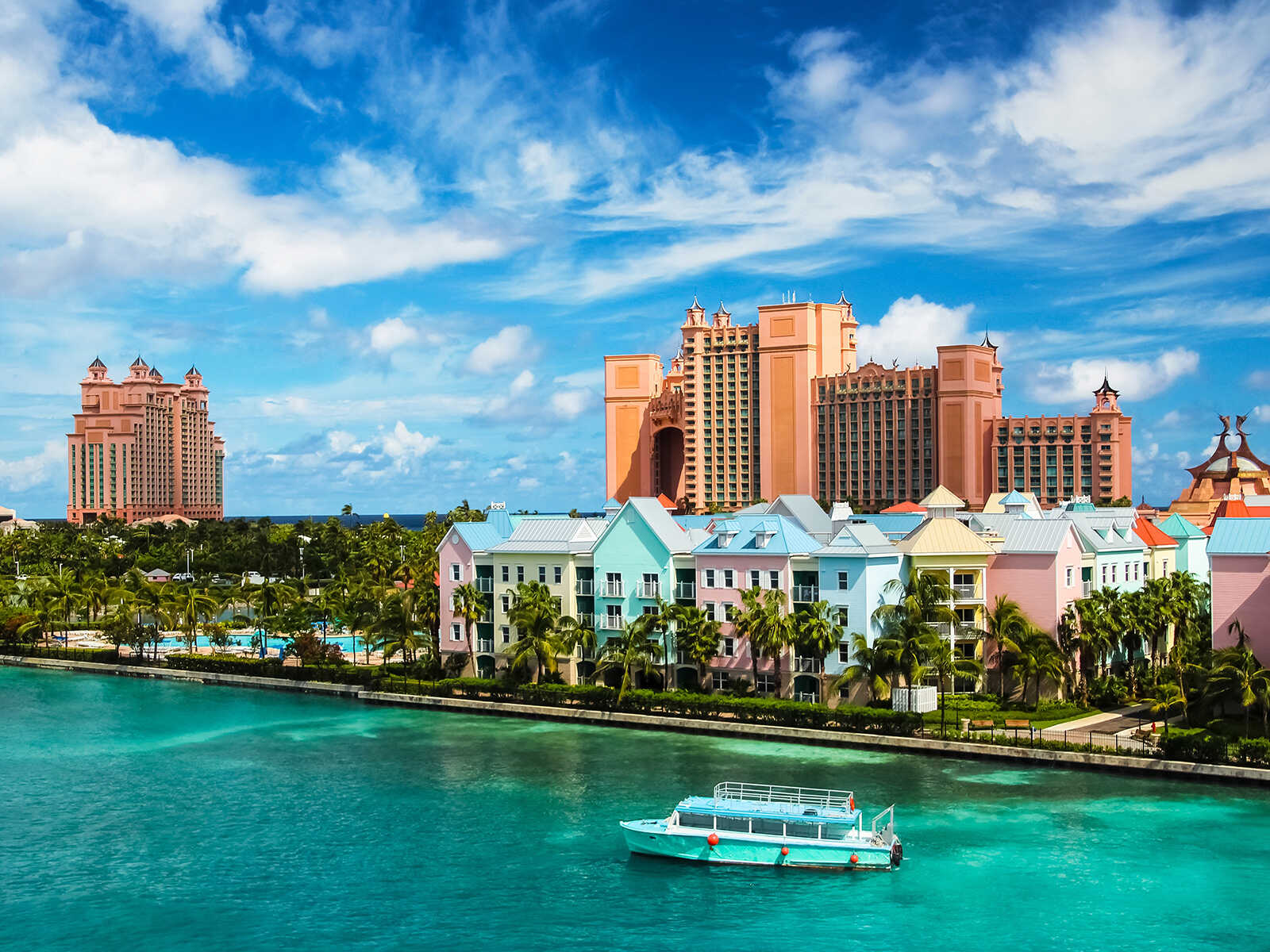
Is The Bahamas Safe for Tourists? Essential Safety Tips for Your Trip
The Bahamas, an archipelago of breathtaking islands renowned for its turquoise waters and vibrant culture, welcomes millions of tourists each year. While generally a safe and welcoming destination, like any popular travel spot, understanding potential risks and taking sensible precautions is key to an enjoyable and worry-free vacation.
This comprehensive guide offers practical advice and essential safety tips to help you navigate The Bahamas confidently, ensuring your trip is as smooth and memorable as the Bahamian sunsets.
Understanding Safety in The Bahamas
The vast majority of tourist visits to The Bahamas are trouble-free. The islands’ economy heavily relies on tourism, and local authorities are committed to maintaining a safe environment for visitors. Most crime that does occur is concentrated in specific, non-tourist areas of larger islands like New Providence (Nassau) and Grand Bahama (Freeport) and typically involves local residents rather than tourists.
General Personal Safety Tips
Vigilance and common sense are your best allies when traveling anywhere, and The Bahamas is no exception. Here’s how to keep yourself and your belongings safe:
- Be Aware of Your Surroundings:Pay attention to people and situations around you, especially in crowded areas, markets, or at night.
- Secure Valuables:Use hotel safes for passports, extra cash, and expensive jewelry. Avoid flaunting large amounts of cash or high-value items. When out, carry only what you need.
- Avoid Isolated Areas:Steer clear of deserted beaches, dimly lit streets, or unfamiliar neighborhoods, particularly after dark. Stick to well-trafficked tourist zones.
- Transportation:Use reputable, licensed taxis (easily identifiable by their official license plates) or ride-sharing services if available. Confirm the fare before starting your journey. If you're staying at a resort like Atlantis Bahamas, they often have preferred taxi services.
- Responsible Drinking:Enjoy local beverages, but always drink responsibly. Be cautious about accepting drinks from strangers, and never leave your drink unattended.
- Local Laws and Customs:Familiarize yourself with local laws. Drug offenses carry severe penalties. Respect local customs and dress codes, especially when visiting religious sites or less tourist-centric areas.
Traveler's Golden Rule:If you wouldn't do it at home, don't do it abroad. Trust your instincts; if a situation feels unsafe, remove yourself from it.
Water Safety and Activities
With its pristine beaches and crystal-clear waters, marine activities are a highlight of any Bahamian trip. Enjoy them safely:
- Swimming:Be mindful of currents, especially rip currents. Always swim near designated areas or where lifeguards are present. Heed any warning flags on beaches like Cable Beach or Taino Beach.
- Boating and Water Sports:Only use reputable tour operators for excursions like snorkeling, diving at Dean’s Blue Hole, or visiting the swimming pigs at Pig Beach. Ensure vessels are well-maintained and that life jackets are provided and worn, especially for children.
- Marine Life:Admire marine life from a respectful distance. Be aware of sea urchins, jellyfish, and sharp coral. Avoid touching or disturbing wildlife.
- Sun Protection:The Bahamian sun is intense. Use high SPF sunscreen, wear hats and sunglasses, and seek shade during peak hours (10 AM - 4 PM).
- Private Islands:If you're visiting private islands like Ocean Cay or Cococay, or popular excursions like Blue Lagoon Island, remember that safety protocols are usually very high, but personal vigilance is still recommended.
Health and Medical Safety
Prioritizing your health ensures a smooth journey:
- Travel Insurance:This is arguably the most crucial tip. Comprehensive travel insurance covering medical emergencies, evacuations, and trip cancellations is highly recommended. Medical facilities, especially in the Out Islands like Harbour Island, can be limited.
- Hydration:Drink plenty of bottled water to prevent dehydration, especially in the tropical heat. While tap water is generally safe in major resorts, bottled water is a safer bet.
- Food Safety:Eat at reputable restaurants and ensure food is cooked thoroughly. If you have a sensitive stomach, avoid street food or choose vendors with high traffic.
- Insect Protection:Mosquitoes are common, especially at dawn and dusk. Use insect repellent, particularly in lush areas like Garden of the Groves or Ardastra Gardens, Zoo and Conservation Centre.
- Prescription Medications:Carry an adequate supply of any necessary prescription medications in their original packaging, along with a copy of your prescription.
Natural Disasters
The Bahamas lies in the Atlantic hurricane belt:
- Hurricane Season:The official hurricane season runs from June 1st to November 30th, with peak activity typically from August to October.
- Stay Informed:If traveling during this period, monitor weather forecasts from reliable sources (e.g., NOAA, local Bahamian news). Your hotel will also provide updates and evacuation instructions if necessary.
- Flexible Travel:Consider purchasing travel insurance that covers weather-related cancellations or delays if visiting during hurricane season.
Emergency Preparedness
Knowing what to do in an emergency can provide peace of mind:
- Emergency Numbers:The emergency number for police, fire, and ambulance in The Bahamas is911.
- Embassy/Consulate:Know the location and contact information for your country's embassy or consulate in The Bahamas.
- Share Your Itinerary:Inform family or friends back home about your travel plans, including flight details and accommodation.
- Copies of Documents:Keep digital and physical copies of your passport, visa, flight tickets, and hotel reservations separate from the originals.
Specific Island Considerations
While the general safety tips apply across the board, different islands may present slightly different environments:
- Nassau & Paradise Island:As the most populated and tourist-dense areas, these islands experience more petty crime than the Out Islands. However, tourist zones around resorts and attractions are heavily monitored. Exercise increased vigilance, especially in downtown Nassau after dark.
- Grand Bahama Island:Similar to Nassau, but generally a bit calmer. Freeport and Lucaya are the main hubs. Adhere to the same safety precautions as in Nassau.
- The Out Islands:Islands like Eleuthera, Exuma, Abaco, and Long Island (home to Dean’s Blue Hole) are generally very safe with extremely low crime rates. However, their remote nature means emergency services might take longer to reach you. Planning and self-sufficiency are key.
Conclusion
The Bahamas offers an incredibly safe and welcoming environment for tourists, provided you exercise reasonable caution and awareness. By following these essential safety tips, you can focus on what truly matters: soaking up the sun, exploring the stunning natural beauty, and immersing yourself in the warm Bahamian culture. Prepare wisely, travel smart, and get ready for an unforgettable Caribbean adventure!