
Best Time to Visit The Bahamas for Perfect Weather & Activities
Choosing the ideal time to visit The Bahamas can transform a great vacation into an unforgettable one. With its stunning turquoise waters, pristine beaches, and vibrant culture, this archipelago offers something for every traveler, but timing your trip right ensures you experience its best.Understanding The Bahamas' Climate
The Bahamas enjoys a tropical savanna climate, characterized by two main seasons: a warm, wet season and a cooler, drier season. Temperatures are consistently pleasant year-round, typically ranging from the low 70s°F (20s°C) in winter to the mid-80s°F (high 20s°C) in summer. The key differentiators are humidity, rainfall, and the presence of hurricane season.
The Peak Season: December to May (The Dry Season)
This period is widely considered the best time to visit The Bahamas, offering near-perfect weather conditions. It aligns with winter in North America and Europe, making it a popular escape for those seeking warmth.
Weather Highlights
- Temperatures:Expect comfortable daytime temperatures averaging 75-80°F (24-27°C), with cooler evenings around 65-70°F (18-21°C).
- Humidity:Low and comfortable, making the heat feel less intense.
- Rainfall:Minimal, with mostly clear, sunny skies.
- Ocean Conditions:Calm seas and excellent visibility for water activities.
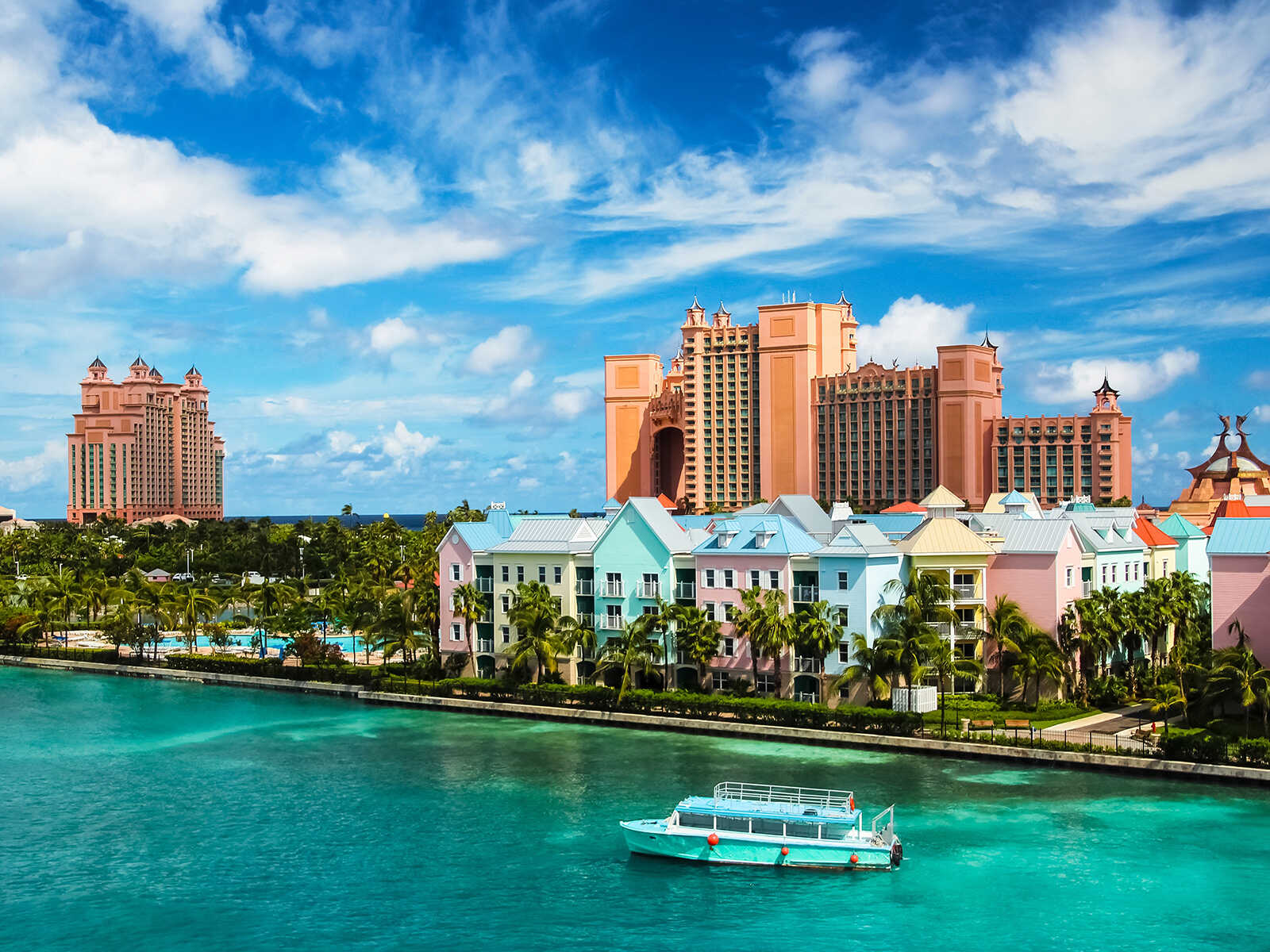
This is the prime time for soaking up the sun on famous shores like Cable Beach or exploring the iconic attractions of Atlantis Bahamas. The consistent good weather makes it ideal for island hopping and experiencing diverse locales such as the charming Harbour Island.
Activities & Events
During these months, The Bahamas truly comes alive. All outdoor activities are in full swing, from snorkeling and diving to sailing and deep-sea fishing. You can enjoy unique experiences like swimming with the pigs at Pig Beach or exploring the vibrant marine life around Blue Lagoon Island.
Major events like the Junkanoo festival (late December/New Year's Day) and various regattas add cultural flair to your trip.
Considerations
As the most popular time, expect larger crowds, especially during holidays and spring break. Accommodation and flight demand are highest, so booking well in advance is essential to secure your preferred options.
The Shoulder Seasons: Late Spring & Early Fall (May-June & November)
For those seeking a balance between good weather and fewer crowds, the shoulder seasons offer an excellent compromise.
Weather & Advantages
- May-June:Temperatures begin to climb, reaching the low to mid-80s°F (27-30°C). Humidity is still manageable, and while rain showers increase slightly, they are often brief and refreshing.
- November:Marks the transition out of hurricane season. Temperatures are pleasant, similar to late spring, with decreasing humidity and rainfall as the dry season approaches.
These periods allow you to enjoy the beauty of The Bahamas with more space and potentially better value. You can still experience fantastic beach days at places like Taino Beach or visit private island destinations such as Ocean Cay and Cococay without the peak season rush.
The Off-Peak Season: June to November (The Wet/Hurricane Season)
While often labeled the "off-peak" or "wet season," this period still holds charm and advantages for certain travelers, despite the increased risk of rain and hurricanes.
Weather Highlights
- Temperatures:Hottest months, averaging mid-80s°F (29-32°C).
- Humidity:High, which can make the air feel heavy.
- Rainfall:More frequent and heavier showers, often in the afternoon, but sunshine is still abundant.
- Hurricane Risk:The official Atlantic hurricane season runs from June 1st to November 30th, with the highest probability between August and October.
Activities & Opportunities
Despite the weather, there are still many reasons to visit. The islands are lush and green, perfect for exploring botanical wonders like the Garden of the Groves or enjoying the wildlife at Ardastra Gardens, Zoo and Conservation Centre. Fewer tourists mean a more relaxed atmosphere and often better availability for accommodations and tours.
The Junkanoo Summer Festival also takes place during this time, offering vibrant cultural parades and music.
Travel Tip:If traveling during hurricane season, always purchase comprehensive travel insurance. Stay informed about weather forecasts and be prepared for potential travel disruptions. Many resorts and airlines offer hurricane guarantees, allowing you to rebook without penalty if a storm threatens your trip.
Important Considerations
Flexibility is key if planning a trip during these months. While many days will still be sunny and beautiful, be prepared for potential weather interruptions. Monitor reputable weather sources and heed local advisories.
Best Time for Specific Activities
Beach & Water Sports
For quintessential beach relaxation, swimming, snorkeling, and diving, thedry season (December to May)is unparalleled due to calm seas, excellent visibility, and comfortable temperatures. However, water temperatures remain warm enough for swimming year-round.
Diving & Snorkeling
Visibility in Bahamian waters is exceptional throughout the year. For serious divers looking to explore sites like Dean’s Blue Hole, thedry seasonoffers the calmest surface conditions. During the wet season, the occasional storm might temporarily reduce visibility in certain areas, but it generally remains very good.
Festivals & Events
- Junkanoo:The main parades are on Boxing Day (December 26th) and New Year's Day (January 1st), during peak season. Junkanoo Summer Festival runs from June to August.
- Regattas:Various sailing regattas, such as the National Family Island Regatta, typically occur in April and May.
- Fishing Tournaments:Often scheduled between May and July.
Wildlife Encounters
Experiences like swimming with the pigs at Pig Beach are available year-round. Marine life, including various fish, turtles, and sharks, can be encountered throughout the year, with specific migratory patterns for some larger species like hammerheads (January-April).
Final Tips for Planning Your Bahamas Trip
- Prioritize Your Needs:If perfect weather and bustling atmospheres are your priority, aim for December to May. If you prefer fewer crowds and potentially better value, consider the shoulder seasons.
- Book Ahead:Regardless of the season, booking flights and accommodations well in advance, especially for popular resorts and islands, is always a good strategy.
- Stay Informed:Always check the latest travel advisories and weather forecasts before and during your trip.
Ultimately, the best time to visit The Bahamas depends on your personal preferences for weather, crowd levels, and desired activities. Each season offers a unique way to experience the beauty and charm of these incredible islands.