
Bahamas Culture and Customs: What Travelers Need to Know
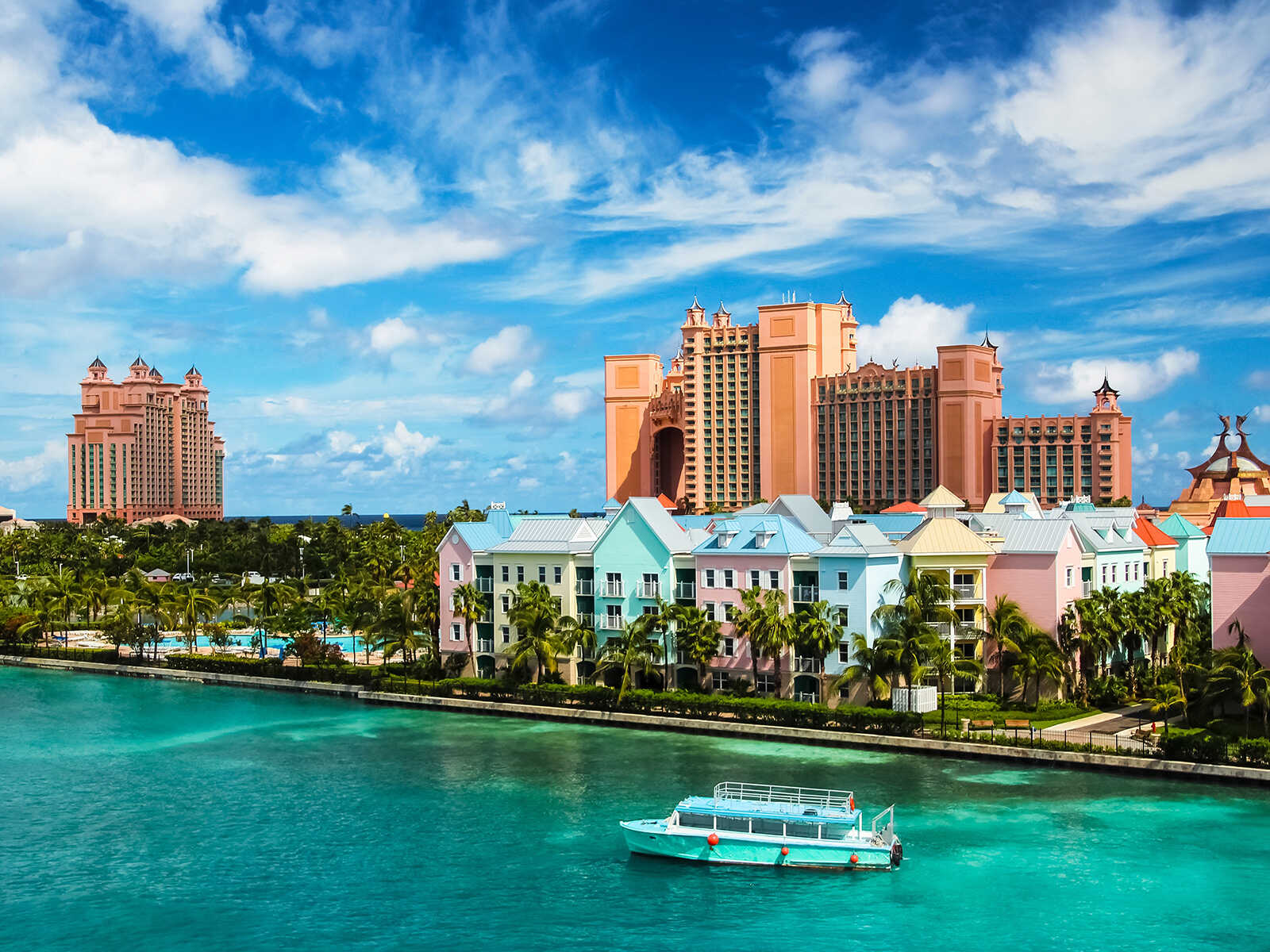
The Bahamas, a sun-drenched archipelago known for its stunning beaches and crystal-clear waters, offers more than just picturesque scenery. Beneath its vibrant surface lies a rich tapestry of culture and customs shaped by centuries of history. Understanding these local nuances will not only enhance your trip but also foster respectful and memorable interactions with the warm Bahamian people.
A Melting Pot of Influences: Understanding Bahamian Heritage
Bahamian culture is a captivating blend of West African, European, and indigenous Taino influences. This heritage is evident in everything from the national language and cuisine to music and art. Family and community are at the heart of Bahamian society, with strong ties often extending beyond immediate relatives. Visitors will quickly notice a relaxed pace of life, often referred to as “island time,” which prioritizes human connection and enjoyment over strict schedules.
Language and Communication
The official language of The Bahamas is English, making communication relatively easy for most travelers. However, you'll often hear a distinctive Bahamian dialect, a colorful Creole patois that adds a unique flavor to conversations. While not essential for understanding, picking up a few common phrases can be a fun way to connect:
- “Hey dere!” – A friendly greeting.
- “What's da' deal?” – What's up? How are you?
- “Soon come” – I'll be there shortly (often implying a relaxed timeframe).
Politeness is highly valued. Always start interactions with a “Good morning,” “Good afternoon,” or “Good evening” before asking a question or making a request. Directness without a polite preamble can sometimes be perceived as abrupt.
Social Etiquette and Interactions
Respectful conduct goes a long way in The Bahamas. Here are some key points:
Greetings and Politeness
As mentioned, polite greetings are crucial. When addressing locals, especially elders or those in service roles, using “sir” or “ma’am” is a sign of respect. A friendly smile and eye contact are also appreciated.
Dress Code
While beachwear is perfectly acceptable on the sand at places like Cable Beach or Taino Beach, it’s considered inappropriate in towns, shops, or restaurants. Always cover up when leaving the beach or pool area. For dining out, smart casual attire is generally preferred. When visiting churches or more formal establishments, modesty is key.
Personal Space and Public Displays of Affection
Bahamians generally appreciate a respectful amount of personal space. While friendly, avoid overly familiar physical contact with strangers. Public displays of affection, while not strictly forbidden, are usually kept to a minimum.
Tipping Practices
Tipping is customary in The Bahamas and is an important part of the service industry. Many hotels and restaurants will automatically add a 15% gratuity or service charge to your bill, so always check before adding an additional tip. If a service charge isn't included, a 15-20% tip for good service is standard for:
- Restaurant and bar staff
- Taxi drivers
- Tour guides (e.g., for excursions to Blue Lagoon Island or Pig Beach)
- Hotel porters and housekeepers
Food and Drink Etiquette
Bahamian cuisine is a delightful experience, rich in seafood and bold flavors. Conch, in particular, is a national staple, prepared in various ways from fritters to salads. When dining, it's customary to wait for everyone to be served before starting to eat. Sharing food, especially among family and friends, is common. Don't be surprised if locals offer you a taste of their dish – it's a sign of hospitality. Remember to try local beverages like Switcha (a lime-based drink) or a Kalik beer.
Music, Dance, and Festivities
Music and dance are integral to Bahamian life, reflecting the joyous spirit of the islands. The most iconic cultural celebration isJunkanoo, a vibrant street parade featuring elaborate costumes, rhythmic cowbells, goatskin drums, and whistles. Major Junkanoo parades take place on Boxing Day (December 26th) and New Year's Day, but smaller events or “rush-outs” can occur throughout the year. Rake 'n' Scrape is another popular Bahamian music genre, characterized by the use of a handsaw as an instrument.
Fun Fact:The costumes for Junkanoo are painstakingly handmade over several months, often from recycled materials like cardboard and crepe paper, making each one a unique work of art.
Religion and Spirituality
The Bahamas is predominantly Christian, with a strong presence of various denominations. Churches play a significant role in community life. Visitors are welcome to attend services, but respectful attire (shoulders and knees covered) is expected. Places like the tranquil Garden of the Groves on Grand Bahama offer serene spaces for contemplation that reflect the spiritual side of the islands.
Navigating Public Spaces and Transportation
Public transportation in more populated areas like Nassau or Freeport often involves “jitneys” (mini-buses). These are a cost-effective way to get around and offer a glimpse into local life. When using jitneys, have small change ready. Taxis are also readily available, and it's advisable to agree on a fare before starting your journey. Remember that Bahamians drive on the left side of the road.
Environmental Awareness and Conservation
The pristine natural beauty of The Bahamas is a source of national pride, and conservation efforts are taken seriously. Visitors are encouraged to respect the environment by:
- Disposing of litter properly.
- Avoiding touching or disturbing marine life, especially in protected areas around destinations like Ocean Cay or when snorkeling near Dean’s Blue Hole.
- Using reef-safe sunscreen.
- Supporting sustainable tourism practices.
Destinations like Ardastra Gardens, Zoo and Conservation Centre highlight the importance of protecting the unique flora and fauna of the islands.
What to Avoid: Common Missteps
To ensure a smooth and respectful visit, consider avoiding these:
- Disrespectful Dress:As mentioned, swimwear away from the beach or pool is a no-go.
- Being Overly Impatient:Embrace “island time.” Service might be slower than you're used to, but it’s part of the relaxed pace.
- Littering:Keep the beautiful islands clean.
- Illegal Activities:Drug offenses, for example, carry severe penalties.
- Ignoring Local Advice:If a local advises against something, it’s usually for a good reason.
Embracing the Bahamian Way of Life
From the bustling energy of Atlantis Bahamas to the tranquil shores of Harbour Island or the private island experience of Cococay, each part of The Bahamas offers a unique experience. However, the true essence of your trip will come from engaging with the culture. By understanding and respecting Bahamian customs, you'll not only have a more authentic and enjoyable vacation but also contribute positively to the local community. So, come with an open mind, a friendly spirit, and get ready to experience the true warmth of Bahamian hospitality!