
Thailand Rainy Season: Is It Worth Visiting? (May-October)
Often perceived as a time to avoid, Thailand's rainy season, running from May to October, holds a unique charm and offers a distinct travel experience. While the thought of monsoons might conjure images of incessant downpours, the reality is often far more nuanced, presenting a compelling case for intrepid travelers seeking a different side of the Land of Smiles.
Understanding Thailand's Rainy Season
The term "rainy season" can be misleading. It rarely means continuous, day-long rain. Instead, you'll typically experience intense, brief showers, often in the late afternoon or evening, leaving much of the day dry and pleasant. These tropical downpours, while dramatic, usually pass quickly, washing the air clean and invigorating the landscape.
It's also crucial to understand Thailand's geographical variations. The southwestern monsoon brings rain to the Andaman coast (Phuket,Krabi) from May to October, impacting sea conditions. Conversely, the Gulf of Thailand islands (Koh Samui, Koh Phangan, Koh Tao) experience their heaviest rainfall later in the year, usually from October to December, making them relatively drier during the May-October window.
The Undeniable Advantages of Visiting During Rainy Season
Fewer Crowds
One of the most significant benefits of traveling during the low season is the dramatic reduction in tourist numbers. Popular attractions like The Grand Palace in Bangkok, the ancient ruins of Phra Nakhon Si Ayutthaya, or the temples of Chiang Mai are far less congested, allowing for a more serene and authentic experience. You'll find it easier to capture stunning photos without throngs of people and enjoy a more personal interaction with local culture.
Lower Prices (Generally)
With fewer tourists comes less demand, often leading to more attractive prices for flights, accommodations, and even some tours. This can significantly reduce your overall travel budget, allowing you to splurge on experiences or extend your stay without breaking the bank. Always check for "green season" promotions offered by hotels and tour operators.
Lush Landscapes and Full Waterfalls
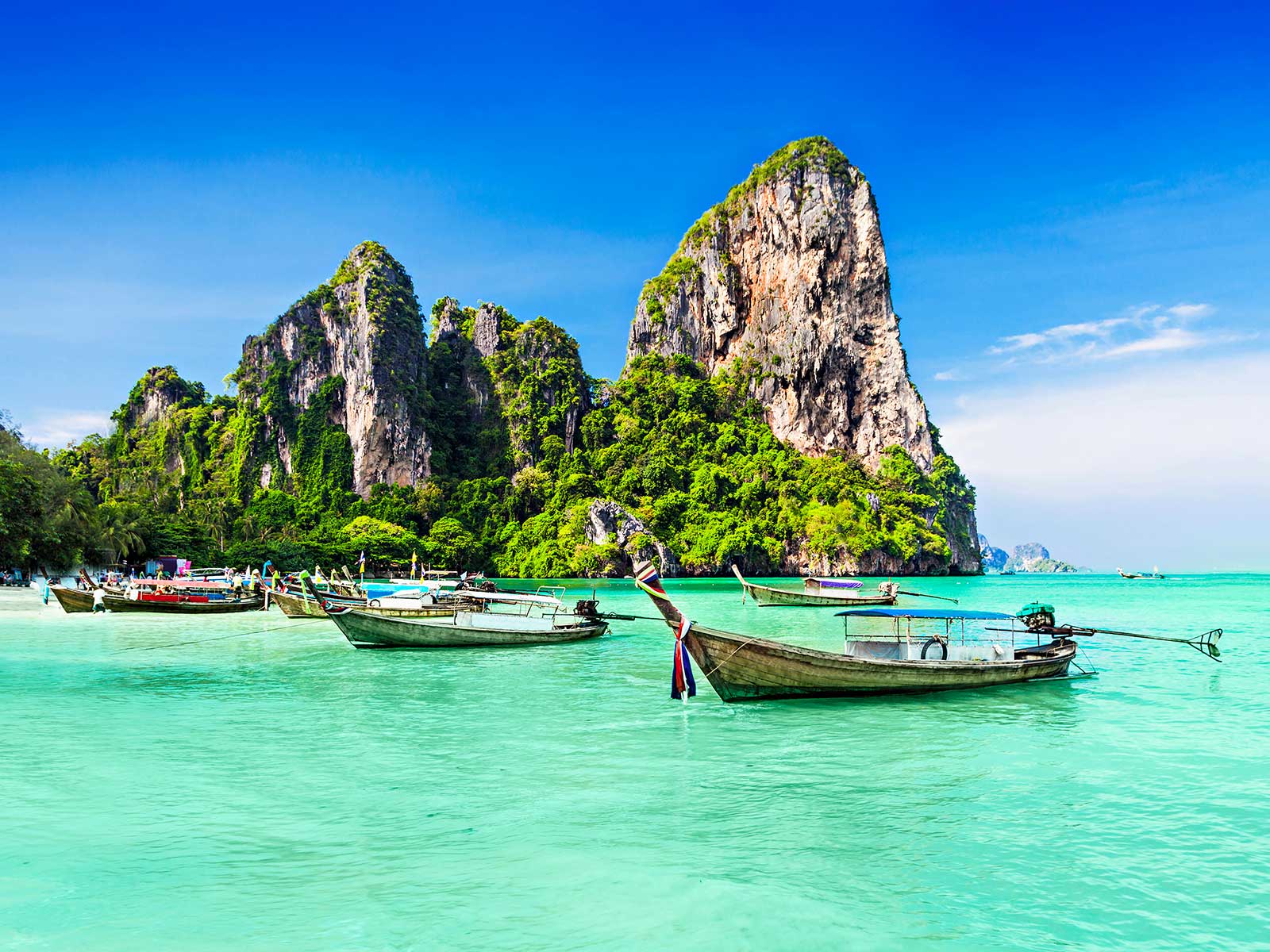
The rain transforms Thailand into a verdant paradise. The countryside, parched during the dry season, bursts into vibrant greens. Rice paddies glow with new life, and national parks are at their most beautiful. Waterfalls, often mere trickles in the dry months, roar with impressive power, making destinations like Doi Inthanon National Park particularly spectacular.
Fun Fact:The rainy season is sometimes called the "Green Season" by locals and travel professionals due to the country's transformed, vibrant landscapes.
Cooler Temperatures
While humidity can be higher, the frequent rainfall helps to bring down the intense heat that characterizes Thailand's hot season (March-May). This can make exploring cities and engaging in outdoor activities much more comfortable, especially for those sensitive to high temperatures.
Unique Cultural Experiences
Many local festivals and traditions are tied to the agricultural cycle and the monsoon rains. You might encounter unique local events that are not prominent during the peak tourist season, offering a deeper insight into Thai life.
Potential Drawbacks and How to Navigate Them
Rain and Humidity
Yes, it will rain. And yes, it can be humid. The best approach is to embrace it. Pack lightweight, quick-drying clothing and a good quality rain jacket or poncho. An umbrella is also a useful companion for navigating sudden showers in urban areas.
Rougher Seas and Limited Boat Trips
For destinations on the Andaman coast, such as Krabi,Railay Beach,Monkey Beach,Long Beach,Maya Bay, or Bamboo Island, sea conditions can be rougher, and boat tours may be canceled or limited due to safety concerns. If your primary goal is extensive island hopping and snorkeling, this might be a consideration. However, inland activities like rock climbing, jungle trekking, or exploring caves remain excellent options.
Mosquitoes
Increased moisture means more mosquitoes. Come prepared with effective insect repellent, especially during dawn and dusk. Most accommodations will provide mosquito nets or coils, but it's always wise to take precautions.
Accessibility Issues
While generally well-maintained, some rural roads can become muddy or occasionally flood during heavy downpours. Always check local conditions if planning to venture off the main routes, particularly for national parks or remote areas.
Best Places to Visit During Thailand's Rainy Season
Northern Thailand
The North truly shines during the green season.Chiang Mai, with its relaxed atmosphere, vibrant markets, and countless temples like Wat Phrathat Doi Suthep, offers plenty to do even on a rainy day. Ethical elephant sanctuaries like Elephant Nature Park are open year-round, and the surrounding countryside is breathtakingly beautiful. Trekking might be muddier, but the rewards of lush scenery and powerful waterfalls at Doi Inthanon are worth it.
Central Thailand
Bangkok is an excellent choice for rainy season travel. Its vast array of indoor attractions – world-class shopping malls, museums, cooking classes, and magnificent temples such as Wat Pho and Wat Arun Ratchawararam– means there's always something to do, regardless of the weather. Day trips to the historical parks of Phra Nakhon Si Ayutthaya or Sukhothai Historical Park are often more pleasant with fewer crowds and cooler temperatures.Amphawa Floating Market, while mostly outdoors, can be charming even with a sprinkle, and you can duck into shops and restaurants.
Gulf Coast Islands
While the Andaman Coast (Phuket, Krabi) experiences its monsoon, the islands in the Gulf of Thailand (like Koh Samui, Koh Phangan, Koh Tao) generally have their drier period from May to September, with their peak rainy season occurring later in the year (October-December). This makes them a more reliable choice for beach holidays and water activities during the May-October window, offering clearer skies and calmer seas compared to their western counterparts.
Essential Packing List for Rainy Season Travel
- Lightweight Rain Jacket or Poncho:Essential for sudden downpours.
- Waterproof Day Bag Cover:To protect electronics and valuables.
- Quick-Drying Clothing:Synthetic fabrics are better than cotton.
- Waterproof Sandals or Shoes:Good grip is key for wet surfaces.
- Insect Repellent:High DEET content is recommended.
- Sunscreen and Hat:Don't forget, the sun still shines brightly between showers.
- Small Umbrella:Handy for light rain or sun protection.
- Zip-lock Bags:For extra protection of electronics and documents.
Tips for a Smooth Rainy Season Trip
- Be Flexible:Weather can change quickly, so have alternative plans for outdoor activities.
- Embrace Indoor Activities:Explore cooking classes, traditional Thai massage, or art galleries.
- Check Forecasts (but don't obsess):Use them as a guide, but remember tropical weather is unpredictable.
- Consider Travel Insurance:Always a good idea, but especially useful for potential disruptions.
- Book Accommodations Wisely:Opt for hotels with good amenities like spas, gyms, or indoor pools.
Conclusion: Embrace the Green Season
Traveling to Thailand during the rainy season is not just "worth it"; it's an opportunity to experience the country in a profoundly different and often more rewarding way. By understanding the weather patterns, preparing appropriately, and embracing the flexibility that low-season travel demands, you'll discover a Thailand that is vibrant, lush, less crowded, and ultimately, unforgettable. So, pack your bags and prepare to fall in love with Thailand's enchanting green season.