
Learn Basic Thai Phrases: Essential Words & Greetings for Travelers
Embarking on a journey to Thailand is an adventure for the senses, filled with vibrant culture, stunning landscapes, and delicious food. While many Thais in tourist areas speak some English, learning a few basic Thai phrases can profoundly enrich your travel experience, opening doors to deeper connections and showing respect for local customs.
This guide will equip you with essential words and greetings to help you navigate, interact, and truly immerse yourself in the Land of Smiles.
Understanding the Basics: Tones and Politeness
Thai is a tonal language, meaning the pitch of your voice can change the meaning of a word. While mastering tones takes time, don't let this deter you! Locals will appreciate your effort, and context usually helps convey your message. More importantly for travelers is the use of polite particles:
- Khrap(ครับ):Used by males at the end of a sentence to show politeness.
- Kha(ค่ะ):Used by females at the end of a sentence to show politeness. (Note: often pronounced "ka" with a falling tone.)
Always addkhraporkhato your phrases; it makes a significant difference in how your words are received.
Essential Greetings & Politeness
Start every interaction with a friendly greeting and a smile. The traditional Thai greeting, theWai, involves pressing your palms together in a prayer-like gesture, usually accompanied by a slight bow. The higher your hands are held (to a point), the more respect is shown.
- Hello / Goodbye:Sawadee khrap/kha(สวัสดีครับ/ค่ะ)
- This versatile phrase is your go-to for both greetings and farewells.
- Thank You:Khop khun khrap/kha(ขอบคุณครับ/ค่ะ)
- Expressing gratitude goes a long way.
- Excuse Me / Sorry:Kho thot khrap/kha(ขอโทษครับ/ค่ะ)
- Useful for apologising or getting someone's attention.
- Yes:Chai khrap/kha(ใช่ครับ/ค่ะ)
- No:Mai chai khrap/kha(ไม่ใช่ครับ/ค่ะ)
- No / Not (general negation):Mai khrap/kha(ไม่ครับ/ค่ะ)
- Used before verbs or adjectives, e.g.,Mai phet(not spicy).
Cultural Tip:TheWaiis a sign of respect. Generally, you initiate aWaito someone older or in a position of authority, and respond with aWaiwhen one is offered to you. Children are taught toWaiadults, but tourists are not usually expected to master the nuances; simply returning aWaiis appreciated.
Getting Around
Navigating cities like Bangkok or Chiang Mai is easier with a few key directional phrases. Don't be afraid to point to your destination on a map or your phone!
- Where is...?Yu thii nai khrap/kha?(อยู่ที่ไหนครับ/ค่ะ?)
- Go to...:Pai... khrap/kha(ไป...ครับ/ค่ะ)
- e.g.,Pai The Grand Palace khrap/kha.
- Stop here:Yut thii nii khrap/kha(หยุดที่นี่ครับ/ค่ะ)
- Turn left:Liao sai khrap/kha(เลี้ยวซ้ายครับ/ค่ะ)
- Turn right:Liao khwaa khrap/kha(เลี้ยวขวาครับ/ค่ะ)
- Go straight:Trong pai khrap/kha(ตรงไปครับ/ค่ะ)
- Taxi:Rot taxi khrap/kha(รถแท็กซี่ครับ/ค่ะ)
- Tuk-tuk:Rot tuk-tuk khrap/kha(รถตุ๊กตุ๊กครับ/ค่ะ)
Food & Drink
Thai cuisine is world-renowned, and ordering food is a highlight of any trip. Use these phrases to enjoy your meals even more!
- Delicious:Aroi khrap/kha(อร่อยครับ/ค่ะ)
- A fantastic compliment for any chef!
- Not spicy:Mai phet khrap/kha(ไม่เผ็ดครับ/ค่ะ)
- Crucial for those who prefer milder flavors.
- A little spicy:Phet nit noi khrap/kha(เผ็ดนิดหน่อยครับ/ค่ะ)
- Very spicy:Phet mak khrap/kha(เผ็ดมากครับ/ค่ะ)
- Water:Nam plao khrap/kha(น้ำเปล่าครับ/ค่ะ)
- Coffee:Gafae khrap/kha(กาแฟครับ/ค่ะ)
- Tea:Chaa khrap/kha(ชาครับ/ค่ะ)
- Check, please (at a restaurant):Kep ngern khrap/kha(เก็บเงินครับ/ค่ะ)
Exploring local markets, such as the famous Amphawa Floating Market, presents endless opportunities to practice these phrases while sampling incredible street food.
Shopping & Bargaining
Bargaining is common in markets, especially for souvenirs and clothes. Always be polite and keep a smile!
- How much?:Tao rai khrap/kha?(เท่าไหร่ครับ/ค่ะ?)
- Too expensive:Phaeng pai khrap/kha(แพงไปครับ/ค่ะ)
- Can you reduce the price?:Lot noi dai mai khrap/kha?(ลดหน่อยได้ไหมครับ/ค่ะ?)
- I'll take this:Ao an nii khrap/kha(เอาอันนี้ครับ/ค่ะ)
Numbers (1-10)
Knowing your numbers will help with bargaining, ordering, and understanding directions.
- Neung(หนึ่ง)
- Song(สอง)
- Sam(สาม)
- Sii(สี่)
- Haa(ห้า)
- Hok(หก)
- Jet(เจ็ด)
- Paet(แปด)
- Kao(เก้า)
- Sip(สิบ)
Useful Phrases for Common Situations
- I don't understand:Mai khao jai khrap/kha(ไม่เข้าใจครับ/ค่ะ)
- Do you speak English?:Phuut Phasaa Angkrit dai mai khrap/kha?(พูดภาษาอังกฤษได้ไหมครับ/ค่ะ?)
- My name is...:Phom chue... khrap(male) /Chan chue... kha(female) (ผมชื่อ...ครับ / ฉันชื่อ...ค่ะ)
- Nice to meet you:Yin dee tee dai roo jak khrap/kha(ยินดีที่ได้รู้จักครับ/ค่ะ)
- Help!:Chuay duay khrap/kha!(ช่วยด้วยครับ/ค่ะ!)
Cultural Nuances & Tips for Travelers
Beyond language, understanding a few cultural norms will greatly enhance your visit:
- Respect for Monarchy and Religion:Thailand holds its monarchy and Buddhism in the highest regard. Always show respect for images of the Buddha and the Royal Family. When visiting temples like Wat Pho,Wat Arun Ratchawararam, or Wat Phrathat Doi Suthep, dress modestly (shoulders and knees covered) and remove your shoes before entering sacred areas.
- The Head and Feet:In Thai culture, the head is considered the most sacred part of the body, and the feet the lowest. Never touch someone's head. Avoid pointing your feet at people, Buddha images, or sacred objects.
- The "Land of Smiles":Thais are generally very friendly and value harmony. A smile can defuse many awkward situations.
- Tipping:Tipping is not mandatory but appreciated for good service, especially in restaurants and for tour guides.
- Patience:Things sometimes move at a slower pace in Thailand, particularly outside of Bangkok. Embrace the relaxed atmosphere and practice patience.
Embrace the Experience
Learning basic Thai phrases is more than just communication; it's an act of cultural immersion and respect. Even a simple "Sawadee khrap/kha" or "Khop khun khrap/kha" can bring a genuine smile to a local's face and lead to more meaningful interactions. Don't be afraid to make mistakes; the effort itself is highly valued.
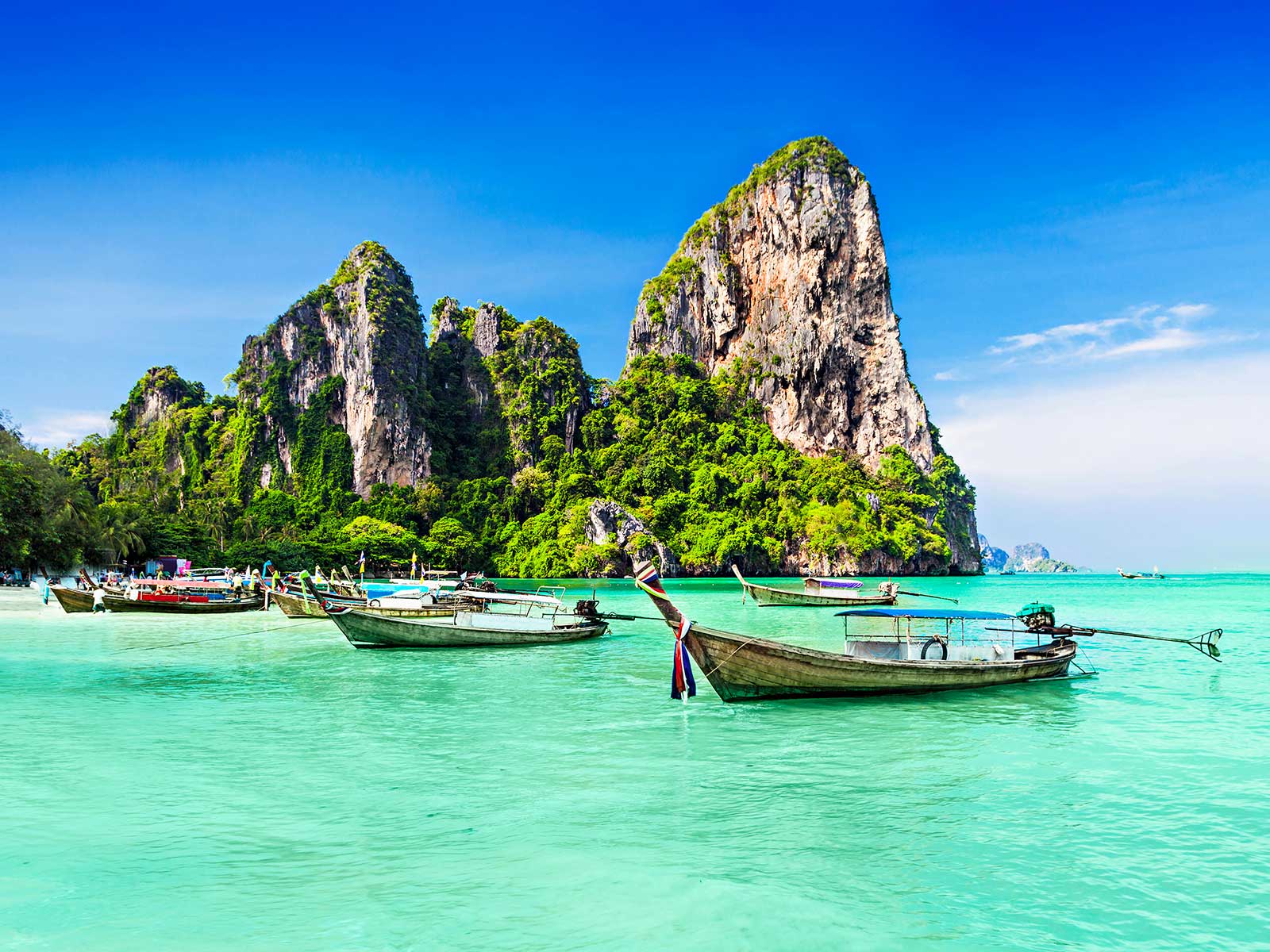
So, practice these phrases, pack your adventurous spirit, and get ready to explore the wonders of Thailand, from the ancient ruins of Phra Nakhon Si Ayutthaya to the stunning beaches of Krabi and Railay Beach. Your journey will be all the richer for it!