
Getting Around Thailand: Trains, Buses, Ferries & Domestic Flights
Thailand, a land of captivating contrasts, offers an incredible array of experiences, from bustling cities and ancient ruins to pristine beaches and lush mountains. Navigating this diverse landscape is part of the adventure, with a robust and varied transportation network designed to connect every corner of the Kingdom.
Navigating Thailand's Transport Network
Exploring Thailand is made easy by its comprehensive transportation system, catering to all budgets and travel styles. Whether you prefer the scenic route, the fastest option, or the most economical journey, you'll find a mode of transport that suits your needs. From long-haul trains to local tuk-tuks, understanding your options is key to a smooth and memorable Thai adventure.
Trains: A Scenic & Comfortable Journey
The State Railway of Thailand (SRT) offers a charming and often comfortable way to traverse the country, connecting major cities and offering a glimpse into rural life. Train travel is generally slower than buses or flights, but it provides a unique opportunity to relax and watch the landscape unfold.
Classes and Routes
- First Class:Private, air-conditioned cabins, often with a toilet and sink, ideal for overnight journeys.
- Second Class:Available with or without air conditioning, offering comfortable seats that convert into bunks for overnight travel. This is a popular choice for budget-conscious travelers seeking a good balance of comfort and cost.
- Third Class:The most economical option, typically with non-reclining seats and natural ventilation. It's a great way to experience local life, though less comfortable for long distances.
Popular routes include the famous overnight sleeper train between Bangkok and Chiang Mai, often regarded as one of Southeast Asia's classic rail journeys. Other significant lines connect Bangkok to the historic city of Ayutthaya, as well as routes heading south towards the Malaysian border.
Travel Tip:For popular overnight sleeper trains, especially the Bangkok to Chiang Mai route, it's highly recommended to book your tickets several days or even weeks in advance, particularly during peak season.
Buses: The Backbone of Thai Travel
Buses are arguably the most comprehensive and economical way to travel across Thailand. They serve virtually every town and city, making them indispensable for reaching destinations not covered by the train network, such as Sukhothai Historical Park or many coastal towns.
Types of Bus Services
- Government Buses:Operated by the Transport Co. Ltd., these are reliable and serve most routes. They typically depart from major bus terminals.
- Private Buses:Many private companies offer a range of services, often with more luxurious VIP options, direct routes, and sometimes door-to-door service in tourist areas. Be cautious and research private operators, as quality can vary.
Buses come in various classes, from basic local buses to air-conditioned VIP coaches with reclining seats, snacks, and even onboard attendants. Night buses are a common way to cover long distances while saving on accommodation costs.
Whether you're heading from Bangkok to Krabi or exploring the northern reaches around Chiang Mai, buses offer flexibility and frequency. Tickets can be purchased at bus terminals, through travel agents, or online.
Ferries & Boats: Island Hopping & Coastal Exploration
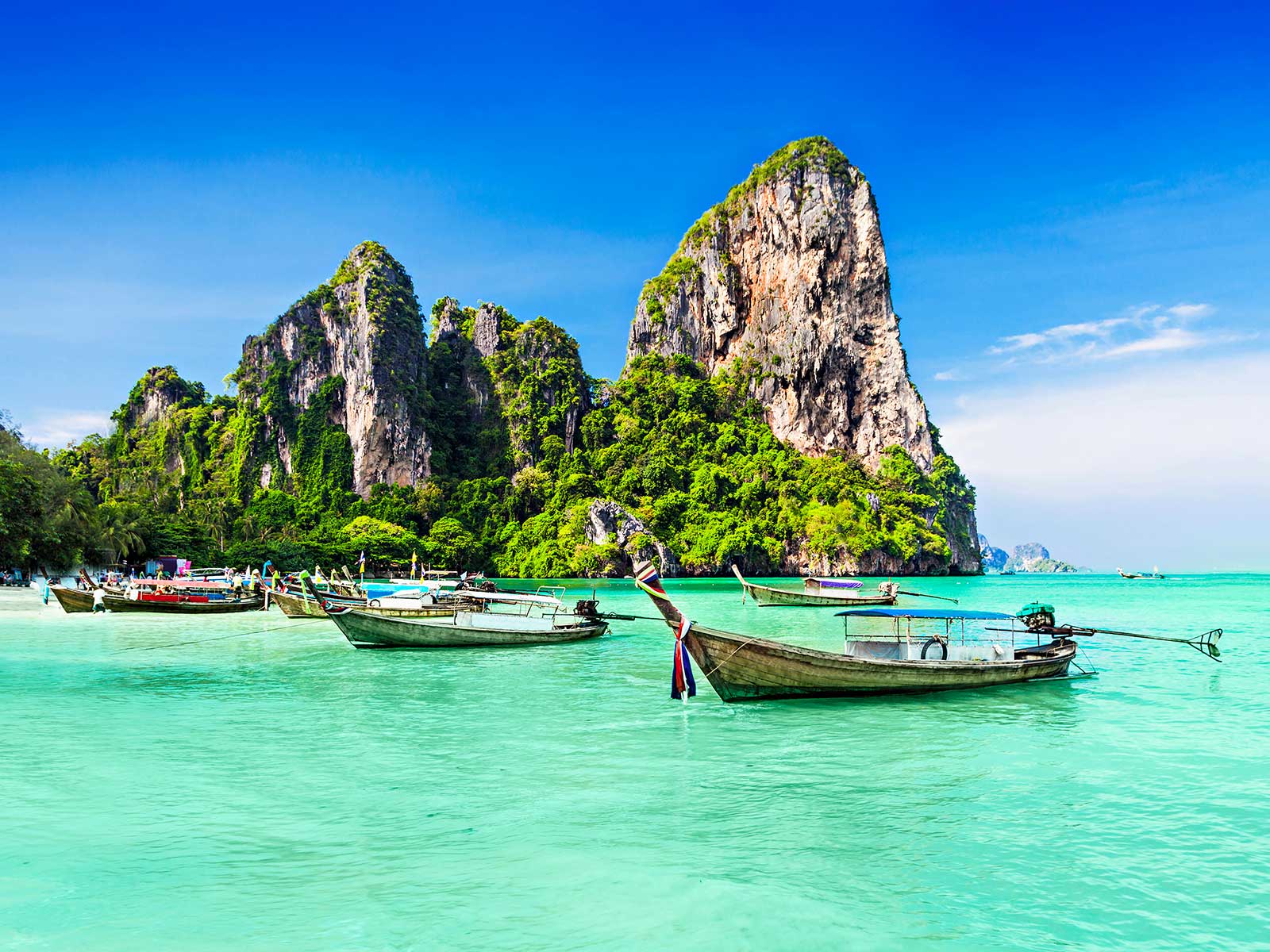
Thailand's stunning islands and coastal regions are best explored by boat. A vast network of ferries, speedboats, and longtail boats connects the mainland with popular island destinations and allows for captivating island-hopping adventures.
Connecting the Islands
From the Gulf of Thailand to the Andaman Sea, boats are essential for reaching places like the Phi Phi Islands (home to Maya Bay,Monkey Beach, and Bamboo Island), Koh Lanta (Long Beach), and the picturesque Railay Beach near Krabi. Services range from large car ferries to smaller, faster speedboats and traditional longtail boats, which are perfect for short hops and exploring hidden coves.
When planning your island escape, remember that ferry schedules can be affected by weather conditions, especially during the monsoon season. Always check the latest schedules and consider booking tickets in advance, particularly for popular routes.
Safety First:Always choose reputable ferry and boat operators. Ensure the vessel doesn't appear overloaded and that life jackets are readily available for all passengers.
Domestic Flights: Speed & Convenience
For those short on time or seeking maximum comfort, domestic flights are the fastest way to cover long distances in Thailand. Several budget airlines operate within the country, making air travel surprisingly affordable if booked in advance.
Key Air Hubs & Airlines
Major international airports in Bangkok(Suvarnabhumi and Don Mueang),Chiang Mai,Krabi, and Phuket serve as primary hubs for domestic travel. From these points, you can easily fly to regional airports across the country, significantly cutting down travel time.
A flight from Bangkok to Chiang Mai, for example, takes just over an hour, compared to a 10-14 hour train or bus journey. Similarly, flights connect Bangkok to southern beach destinations like Krabi in roughly the same time. Booking online directly with airlines or through travel aggregators is recommended for the best fares.
Getting Around Within Cities
Once you arrive at your destination, a variety of local transport options await:
- Tuk-tuks:The iconic three-wheeled auto-rickshaws are a quintessential Thai experience, perfect for short distances and sightseeing. Always negotiate the fare before starting your journey.
- Songthaews:These red or white shared pickup trucks with two benches in the back are common in many cities, including Chiang Mai, where they are a primary mode of transport to attractions like Wat Phrathat Doi Suthep.
- Taxis:Metered taxis are abundant in larger cities like Bangkok. Insist on using the meter to avoid inflated tourist prices. Ride-hailing apps like Grab are also widely available and offer transparent pricing.
- BTS Skytrain & MRT Subway:In Bangkok, these modern, efficient systems are the best way to beat traffic and access key areas, including attractions near The Grand Palace(though a short boat ride or taxi will still be needed),Wat Pho,Wat Arun Ratchawararam, and shopping districts. They also connect to more local experiences like the Amphawa Floating Market(with further transport) and King Rama IX Park.
- Motorbike Taxis:Identified by their orange vests, these are the fastest way to navigate through traffic, though not always the safest.
Tips for Smooth Travel in Thailand
To ensure your journeys across Thailand are as enjoyable as your destinations, keep these practical tips in mind:
- Book in Advance:Especially for popular routes (like Bangkok to Chiang Mai trains) and during peak seasons, booking tickets for long-haul transport and ferries ahead of time is wise.
- Stay Flexible:While planning is good, sometimes unexpected delays or changes occur. A relaxed attitude will make your travel smoother.
- Pack Light:Navigating bus terminals and ferry docks with heavy luggage can be challenging.
- Learn Basic Thai Phrases:Even simple greetings and questions can greatly assist with communication, especially when dealing with local transport.
- Have Small Bills:Many local transport operators prefer exact change or small denominations.
- Be Aware of Scams:Always be vigilant, especially around major transport hubs, and only purchase tickets from official counters or reputable agents.
Whether you're exploring the ancient ruins of Ayutthaya, trekking the trails of Doi Inthanon, visiting the Elephant Nature Park, or relaxing on the beaches of Krabi, Thailand's transport options offer a gateway to unforgettable experiences. Embrace the journey, and you'll find that getting around is an adventure in itself.