
Best Time to Visit Thailand: Weather, Festivals & Crowd Guide
Thailand, the "Land of Smiles," captivates millions with its stunning beaches, vibrant culture, and delicious cuisine. Deciding when to visit can significantly shape your experience, as the country's diverse climate, bustling festivals, and varying crowd levels offer unique charms throughout the year.
Understanding Thailand's distinct seasons is key to planning your perfect trip, whether you're dreaming of sun-drenched islands, exploring ancient temples, or trekking through lush northern jungles.
Thailand's Three Main Seasons Explained
Thailand generally experiences three primary seasons, largely influenced by the monsoon winds. While these patterns offer a good guide, regional variations, especially between the northern mainland and the southern islands, are important to consider.
The Cool and Dry Season (November - February)
This period is widely considered thebest time to visit Thailandby many, offering the most pleasant weather conditions across much of the country.
- Weather:Expect comfortable temperatures, lower humidity, and minimal rainfall. Days are sunny and warm, while evenings in the north can be surprisingly cool, sometimes even chilly in mountainous areas like Doi Inthanon.
- Activities:Ideal for all types of tourism. Sightseeing in cities like Bangkok, exploring historical parks such as Sukhothai Historical Park and Phra Nakhon Si Ayutthaya, and trekking in northern regions around Chiang Mai are particularly enjoyable. Beach destinations like Krabi and islands along the Andaman coast boast calm seas and perfect conditions for swimming, snorkeling, and diving.
- Festivals:This season kicks off with two of Thailand's most enchanting festivals:Loy KrathongandYi Peng(often in November). These events see thousands of decorative floats and sky lanterns released, creating a truly magical atmosphere, especially in Chiang Mai. Christmas and New Year's Eve are also celebrated with enthusiasm, particularly in tourist hubs.
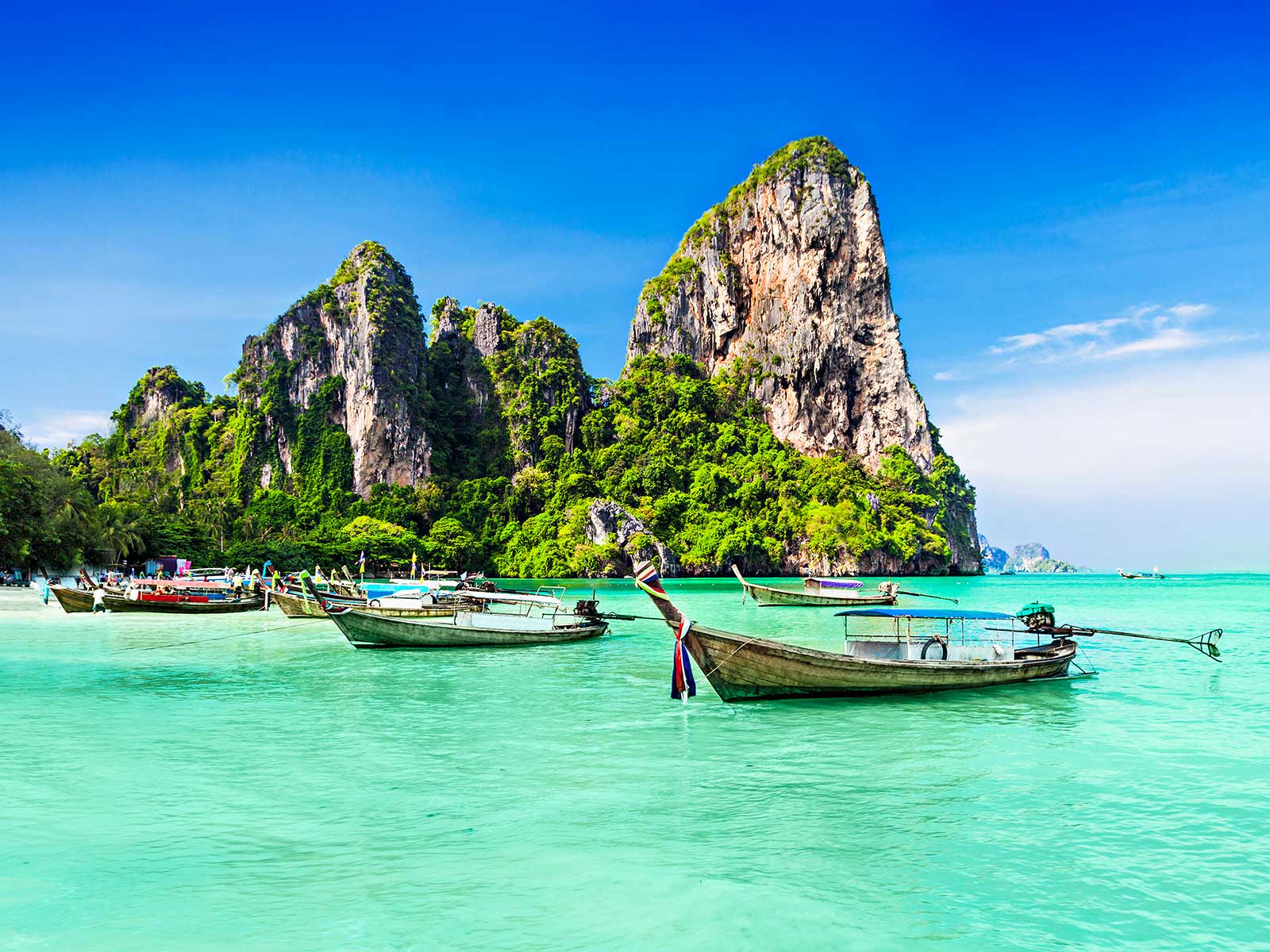
- Crowd Levels:As the peak tourist season, expect higher crowds at popular attractions like The Grand Palace,Wat Pho, and Wat Arun Ratchawararam. Beaches like Railay Beach will also be bustling. Booking accommodations and popular tours well in advance is highly recommended.
Travel Tip:While daytime temperatures are warm, pack a light jacket or sweater if you plan to visit northern Thailand during the cool season, especially for early mornings or evenings.
The Hot Season (March - May)
This period marks the transition from the cool, dry weather to the humid, rainy season. It's characterized by rising temperatures and increased humidity.
- Weather:Temperatures can soar, often reaching 35°C (95°F) or higher, with high humidity levels. Occasional afternoon thunderstorms provide brief relief but are not yet the sustained downpours of the monsoon.
- Activities:Water-based activities become paramount. Exploring islands, relaxing by hotel pools, or visiting places like the Amphawa Floating Market in the early morning can be pleasant. Indoor attractions and spa treatments offer a cool escape from the midday sun.
- Festivals:The highlight of the hot season is undoubtedlySongkran, the Thai New Year (mid-April). This nationwide water festival is a joyous and chaotic celebration where everyone participates in playful water fights. It's an unforgettable experience, though it can bring travel disruptions and even higher crowds in certain areas.
- Crowd Levels:Generally moderate, but expect significant spikes around Songkran as both locals and tourists travel extensively. Many Thais return to their hometowns, and popular tourist areas can be exceptionally busy.
The Rainy Season (Monsoon Season) (June - October)
Often misunderstood, the rainy season can be a fantastic time to visit Thailand, especially for travelers seeking lush landscapes, fewer crowds, and better value.
- Weather:Characterized by heavier rainfall, increased humidity, and warm temperatures. However, it's rare for it to rain all day, every day. Typically, you'll experience intense but short downpours, often in the afternoon, followed by clear skies and sunshine.
- Activities:The countryside transforms into a vibrant green paradise, perfect for enjoying national parks like Doi Inthanon, which are at their most spectacular with gushing waterfalls. It's an excellent time for cultural experiences, cooking classes, spa days, and ethical elephant encounters at places like Elephant Nature Park, as the cooler temperatures are more comfortable for these gentle giants. Fewer crowds mean more intimate experiences at popular sites.
- Festivals:Buddhist Lent (Khao Phansa)in July marks the start of a three-month monastic retreat. TheVegetarian Festival(usually September/October), particularly vibrant in Phuket, is a unique and intense spiritual event.
- Crowd Levels:This is generally the low season, meaning fewer tourists, shorter queues, and often more attractive prices on flights and accommodation. It's ideal for those who prefer a quieter, more relaxed pace.
Regional Considerations: North vs. South
Thailand's elongated shape means different regions can experience varying weather patterns, particularly when it comes to the monsoon.
Northern Thailand (Chiang Mai, Chiang Rai, Doi Inthanon)
The north, with its mountainous terrain and jungles, is best visited during thecool and dry season (November - February). This is prime time for trekking, exploring ancient temples, and enjoying cooler evenings. March to May can be intensely hot, and also coincides with the "burning season," when farmers clear land, leading to haze and poorer air quality, particularly around Chiang Mai.
Southern Thailand (Beaches & Islands)
The south's weather is heavily influenced by two distinct monsoon systems, impacting the Andaman Sea coast and the Gulf of Thailand coast differently.
- Andaman Coast (Phuket,Krabi, Koh Lanta, Koh Phi Phi):Best fromNovember to April, aligning with the cool and dry season. Expect calm seas, abundant sunshine, and perfect conditions for island hopping to destinations like Maya Bay,Monkey Beach, and Bamboo Island. The rainy season here typically runs from May to October, bringing rougher seas and higher chances of rain, though sunny spells are common.
- Gulf Coast (Koh Samui, Koh Phangan, Koh Tao):This side of Thailand often experiences its best weather when the Andaman coast is rainy. The peak season here runs fromFebruary to October, with its driest months being February to April. Their monsoon season is typically shorter and occurs later, from October to December. This makes the Gulf islands a great alternative if you're traveling during the Andaman's rainy season.
Navigating Thailand's Festivals
Festivals are an integral part of Thai culture and can significantly enhance or impact your travel plans. Events likeLoy KrathongandYi Peng(November) offer breathtaking cultural experiences, whileSongkran(April) promises joyous chaos. Always check specific dates, as many festivals follow the lunar calendar, meaning dates vary year to year. During major festivals, expect increased crowds, higher accommodation prices, and potential transportation delays.
Crowd Avoidance & Budget Travel
For those looking to avoid the busiest periods, theshoulder months(late October, early November, late February, early March) can offer a good balance of decent weather and fewer crowds. Therainy season (June - October)is generally the quietest and most budget-friendly time to visit, with significant savings on flights and hotels. While you might encounter rain, it often comes in short bursts, leaving plenty of time to explore.
So, What's theBestTime for You?
The "best" time to visit Thailand truly depends on your priorities:
- For perfect weather & beaches:Aim forNovember to Februaryfor the Andaman Coast, orFebruary to Octoberfor the Gulf Coast.
- For cultural immersion & sightseeing:November to Februaryoffers ideal conditions for exploring historical sites and cities like Bangkok.
- For vibrant festivals:Novemberfor Loy Krathong/Yi Peng (especially in Chiang Mai), orAprilfor Songkran.
- For lush landscapes & fewer crowds:Embrace therainy season (June to October)for a more serene and budget-friendly trip.
- For trekking & northern adventures:November to Februaryis ideal, avoiding the intense heat and haze.
Ultimately, Thailand is a remarkable destination that offers unique experiences year-round. By understanding its climate patterns and festival calendar, you can tailor your visit to match your ideal travel style, ensuring an unforgettable adventure in the Land of Smiles.