
Wildlife of Serengeti National Park: A Comprehensive Guide
The Serengeti National Park in Tanzania is a name synonymous with extraordinary wildlife, vast open plains, and the raw, untamed beauty of Africa. A visit here promises an unparalleled safari experience, offering a front-row seat to one of the planet's most spectacular natural dramas.
Introduction to Serengeti's Wildlife Spectacle
Spanning over 14,750 square kilometers, the Serengeti National Park is a UNESCO World Heritage site and one of Africa's most iconic wildlife sanctuaries. Its diverse habitats, ranging from endless grasslands to riverine forests and kopjes (rocky outcrops), support an incredible array of fauna. From the thundering hooves of the Great Migration to the elusive big cats, the Serengeti is a vibrant ecosystem teeming with life, promising an unforgettable encounter with nature at its most magnificent.
The Great Migration: Earth's Greatest Show
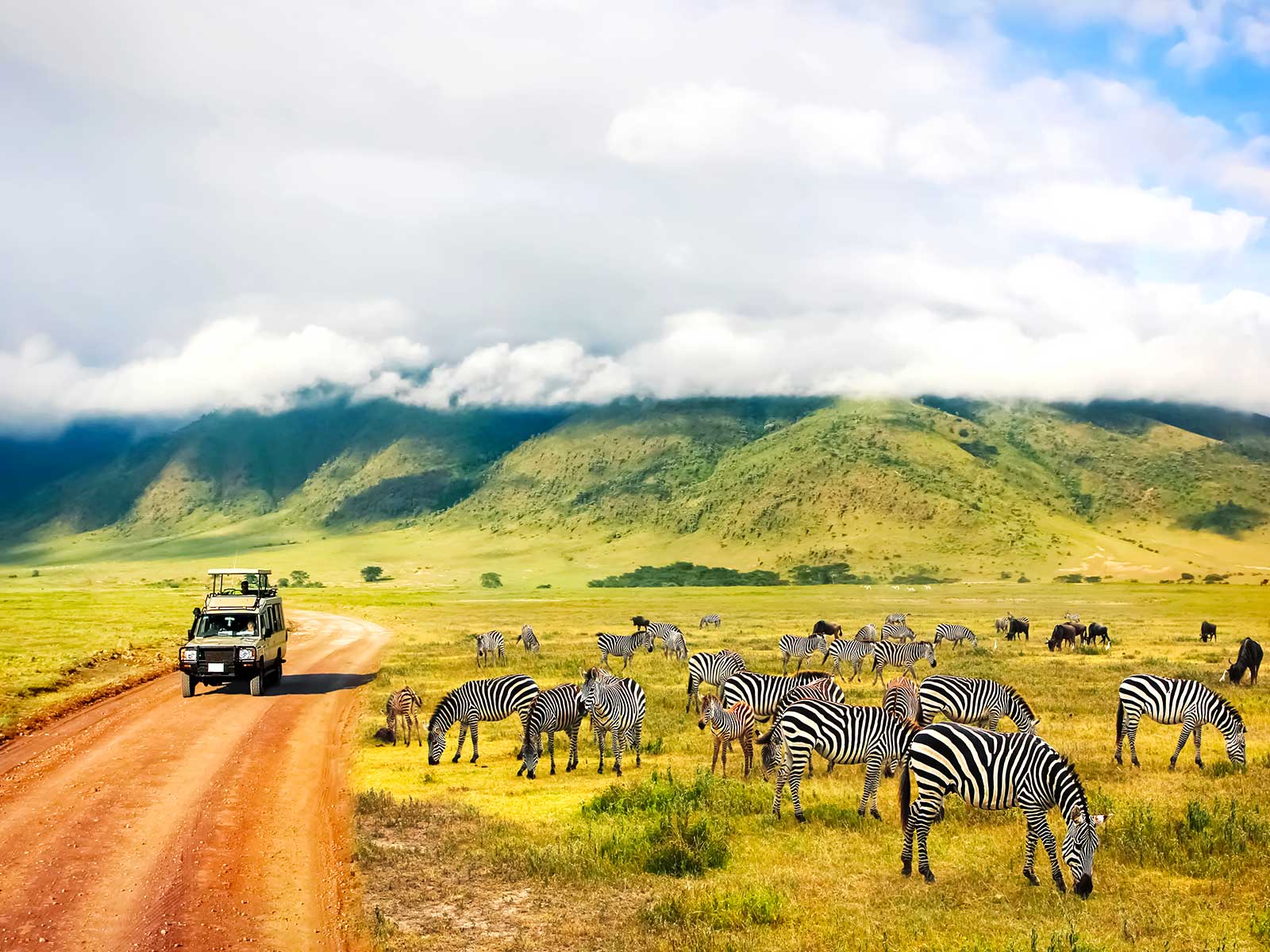
Undoubtedly the most famous wildlife phenomenon in the Serengeti, the Great Migration is an annual spectacle involving over 1.5 million wildebeest, hundreds of thousands of zebras, and various antelope species. These herbivores embark on a perilous journey across the plains in search of fresh grazing and water, a cycle dictated by seasonal rainfall.
The migration typically begins in the southern Ngorongoro Conservation Area and southern Serengeti in January-March with the calving season, moving north through the central and western corridors, eventually reaching the northern Serengeti and Maasai Mara in Kenya around July-October, before returning south. This epic journey is fraught with danger, as predators lurk at every turn, especially during the dramatic river crossings, making it a thrilling and poignant display of survival.
The Iconic Big Five
The term "Big Five" originally referred to the five most difficult and dangerous animals to hunt on foot. Today, it signifies five of Africa's most sought-after safari sightings. The Serengeti offers excellent opportunities to spot all of them.
Lions: Kings of the Plains
The Serengeti boasts one of the largest lion populations in Africa, making sightings almost guaranteed. These majestic predators live in prides, typically consisting of related females, their cubs, and a few adult males. Observing a pride of lions, whether hunting, resting in the shade, or interacting with their young, is a truly captivating experience.
Leopards: Elusive Hunters
Known for their stealth and solitary nature, leopards are masters of camouflage. While harder to spot than lions, they are present throughout the park, often found resting in the branches of acacia trees during the day. Their nocturnal hunting habits and incredible power make a leopard sighting a truly special moment on any safari.
Elephants: Gentle Giants
African elephants roam the Serengeti in family herds, led by a matriarch. These intelligent and social animals are a delight to watch, whether they are bathing in a waterhole, stripping leaves from trees, or moving gracefully across the plains. Their sheer size and gentle demeanor command respect and awe.
Rhinoceros: Critically Endangered
Both black and white rhinos are critically endangered species, making sightings in the Serengeti quite rare but incredibly rewarding. Conservation efforts are intense to protect these magnificent creatures from poaching. Spotting a rhino is a testament to the park's dedication to preserving its precious wildlife.
Cape Buffalo: The Untamed Power
Often found in large herds, the Cape buffalo is one of Africa's most formidable animals. Known for their powerful build and unpredictable temperament, these bovines are a significant part of the Serengeti ecosystem, providing a vital food source for predators like lions.
Beyond the Big Five: Diverse Mammals
While the Big Five are a major draw, the Serengeti's wildlife extends far beyond these iconic species. You'll encounter a vast array of other fascinating mammals:
- Cheetahs:The world's fastest land animals, cheetahs are often seen hunting on the open plains, their slender bodies built for incredible speed.
- Giraffes:The graceful Maasai giraffes, with their long necks, are a common sight, elegantly browsing on tree leaves.
- Hippos:Large pods of hippos can be found submerged in rivers and pools, especially along the Grumeti and Mara rivers, and even closer to Lake Victoria, emerging at night to graze.
- Zebras:Essential companions in the Great Migration, their striking stripes create a mesmerizing pattern across the landscape.
- Various Antelopes:From the elegant impala and gazelle to the robust topi, eland, and kongoni, the Serengeti is home to numerous antelope species.
- Hyenas:Often misunderstood, spotted hyenas are highly intelligent and social predators, playing a crucial role as scavengers and hunters.
- Wild Dogs:Though rarer, African wild dogs are occasionally sighted, known for their distinctive patched coats and highly coordinated hunting techniques.
Avian Wonders: Birdlife of the Serengeti
For bird enthusiasts, the Serengeti is a paradise. Over 500 species of birds have been recorded, ranging from large, impressive raptors to colorful migratory birds. Ostriches, kori bustards, secretary birds, various eagles, vultures, and a plethora of smaller, vibrant species add another dimension to the park's biodiversity. The changing seasons bring different avian visitors, ensuring there's always something new to spot.
Best Time for Wildlife Viewing
The Serengeti offers excellent wildlife viewing year-round, but specific times are better for certain experiences. The dry season (June to October) is generally considered the best time for general wildlife viewing, as animals congregate around permanent water sources, making them easier to spot. This period also coincides with the dramatic river crossings of the Great Migration in the northern Serengeti National Park. The wet season (November to May) offers lush green landscapes, fewer tourists, excellent birdwatching, and the wildebeest calving season in the southern plains (January to March), a time of intense predator action.
Safari Tips for an Optimal Wildlife Experience
To maximize your wildlife encounters in the Serengeti, consider these practical tips:
- Hire an Experienced Guide:A knowledgeable guide is invaluable for tracking animals, understanding their behavior, and navigating the park.
- Patience is Key:Wildlife viewing often requires patience. Spend time at a waterhole or a known animal hotspot, and you'll be rewarded.
- Binoculars and Camera:Don't forget your binoculars for close-up views and a good camera to capture the moments.
- Respect Wildlife:Maintain a safe distance and never disturb the animals. Follow park rules and your guide's instructions.
"The early bird catches the worm, and the early safari-goer catches the best wildlife action. Dawn and dusk are prime times for predator activity."
Conservation Efforts in the Serengeti
The continued abundance of wildlife in the Serengeti is a testament to ongoing conservation efforts. The park faces challenges such as poaching and human-wildlife conflict, but dedicated teams and organizations work tirelessly to protect this invaluable ecosystem. Sustainable tourism plays a vital role in funding these initiatives, ensuring that future generations can also marvel at the wonders of the Serengeti.
Conclusion
A journey to the Serengeti National Park is more than just a safari; it's an immersion into a living, breathing natural wonder. From the epic drama of the Great Migration to intimate encounters with the Big Five and the vibrant tapestry of birdlife, the Serengeti offers a wildlife experience that will forever etch itself into your memory. Prepare to be amazed by the sheer scale and beauty of Africa's wild heart.