
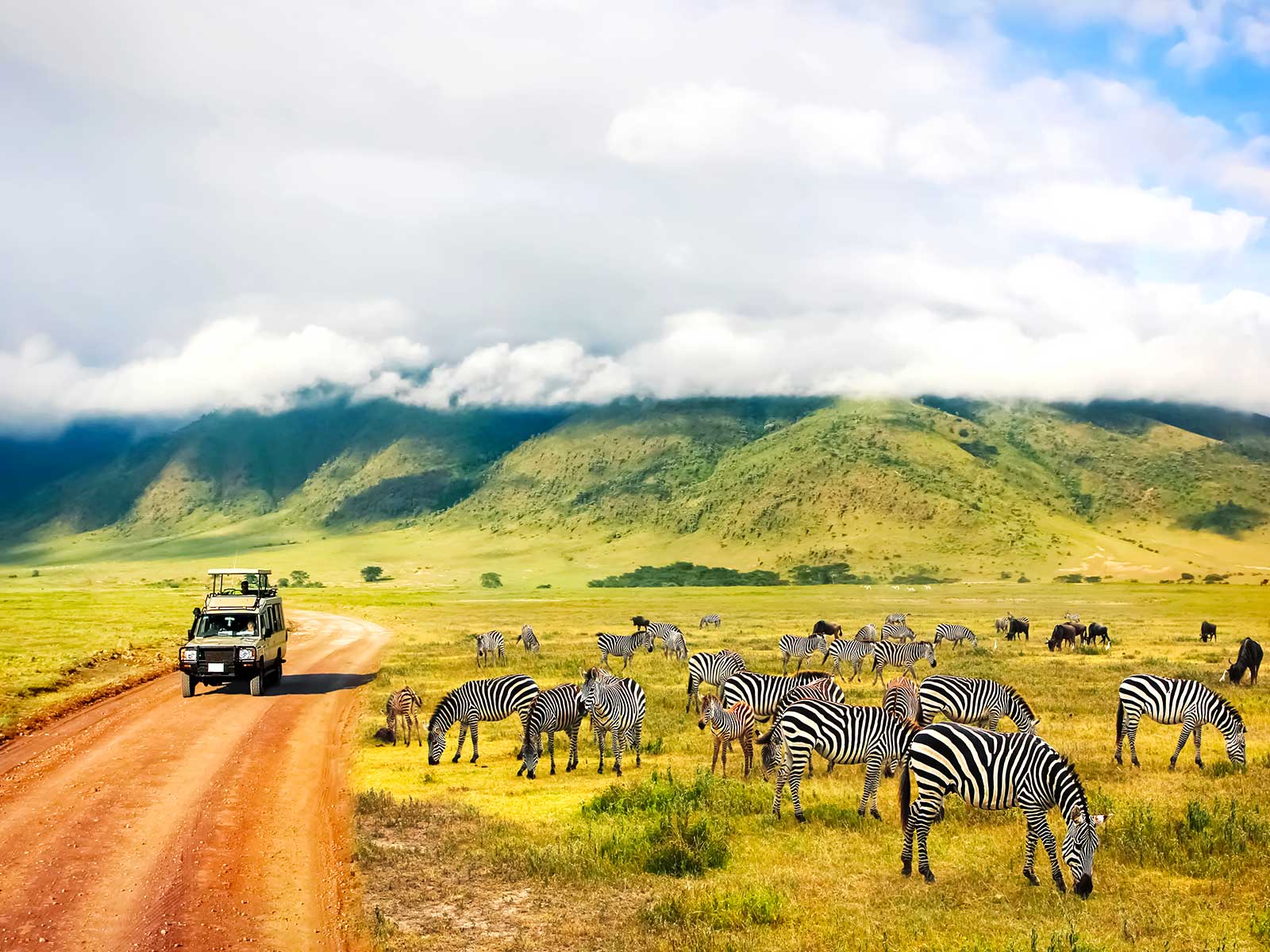
Visiting Ngorongoro Conservation Area: Your Essential Guide to This Natural Wonder
Embark on an extraordinary journey to the Ngorongoro Conservation Area, a UNESCO World Heritage site and one of Africa's most breathtaking natural wonders. This comprehensive guide will equip you with everything you need to plan an unforgettable visit to this unique Tanzanian destination, renowned for its spectacular wildlife and stunning landscapes.
Introduction to Ngorongoro Conservation Area
Nestled in northern Tanzania, the Ngorongoro Conservation Area (NCA) is not just a national park but a multi-use protected area with a unique status. It stands out because it allows for the coexistence of wildlife, livestock, and the semi-nomadic Maasai people, preserving both natural resources and cultural heritage. Declared a UNESCO World Heritage site in 1979, the NCA is a vital part of the wider Serengeti ecosystem and a critical area for conservation.
The Ngorongoro Crater: A World Apart
The crown jewel of the NCA is undoubtedly the Ngorongoro Crater, often hailed as one of the most magnificent natural formations on Earth. It is not technically a crater but rather a massive volcanic caldera, formed millions of years ago when a giant volcano collapsed in on itself. Measuring approximately 260 square kilometers (100 square miles) and descending over 600 meters (2,000 feet) deep, it is the largest intact, unfilled volcanic caldera in the world.
The Ngorongoro Crater is often referred to as 'Africa's Garden of Eden' due to its unparalleled density of wildlife living within its natural confines, sustained by permanent water sources on the crater floor.
This natural enclosure acts as a sanctuary, creating a self-contained ecosystem where an incredible concentration of animals thrives. The crater floor boasts a diverse array of habitats, from open grasslands and acacia forests to swamps and a soda lake, supporting an astonishing variety of flora and fauna.
Wildlife Viewing in Ngorongoro
A safari into the Ngorongoro Crater promises an unparalleled wildlife viewing experience. Thanks to the permanent water and grazing, animals rarely migrate out of the crater, making sightings consistent and often spectacular. Visitors have an excellent chance of spotting the Big Five within a single day:
- Lions:Large prides are common, often seen resting or hunting.
- Elephants:Predominantly bulls, known for their impressive tusks.
- Buffalo:Herds are plentiful across the grasslands.
- Leopards:While elusive, they are present, often spotted in trees or rocky outcrops.
- Black Rhinos:Ngorongoro is one of the best places in Tanzania to see this critically endangered species, thanks to dedicated conservation efforts.
Beyond the Big Five, you'll encounter vast herds of wildebeest, zebras, gazelles, and eland. Hippos wallow in the swamps, while hyenas are a common sight. Birdwatchers will be delighted by the abundant avian life, including numerous flamingos that often gather in vast numbers on Lake Magadi.
Beyond the Crater Floor: Other Attractions
While the crater is the main draw, the Ngorongoro Conservation Area offers more to explore:
Olduvai Gorge: The Cradle of Mankind
Located within the NCA, Olduvai Gorge is one of the most important paleoanthropological sites in the world. Often called "The Cradle of Mankind," it's where significant discoveries of early hominid fossils and stone tools were made by Mary and Louis Leakey, providing crucial insights into human evolution. A small museum at the gorge details these fascinating finds.
Empakaai Crater
For those seeking a more adventurous experience, a visit to Empakaai Crater is highly recommended. This smaller, less-visited crater offers breathtaking views and opportunities for guided walks down to its stunning soda lake, which often hosts flocks of flamingos. The trek provides a different perspective of the conservation area's diverse landscapes.
Olmoti Crater
Another beautiful, less-explored crater, Olmoti is known for its waterfalls and serves as a natural rain catchment for the Munge River, which feeds into the Ngorongoro Crater. Guided walks here offer scenic beauty and a glimpse into Maasai pastoral life.
Maasai Cultural Experiences
A unique aspect of the NCA is the opportunity to interact with the Maasai people who call this area home. Many tour operators arrange visits to traditional Maasai bomas (villages), where you can learn about their rich culture, traditions, and way of life. This direct engagement provides a deeper understanding of the integrated conservation model practiced here. You can also learn more about Tanzanian cultures at the Cultural Heritage Centre near Arusha.
Planning Your Visit to Ngorongoro
When to Go
The Ngorongoro Crater offers excellent wildlife viewing year-round due to its permanent water sources. However, certain times might offer different advantages:
- Dry Season (June to October):This is generally considered the best time for wildlife viewing as vegetation is sparser and animals congregate around waterholes. Skies are clear, and game drives are easier.
- Wet Season (November to May):The landscape is lush and green, offering stunning photographic opportunities. It's also calving season for many animals, and migratory birds are abundant. While some roads can be muddy, the crater generally remains accessible.
Getting There
Most safaris to Ngorongoro begin in Arusha, a major safari hub in northern Tanzania. From Arusha, it's approximately a 3-4 hour drive to the NCA entrance. Many visitors combine their Ngorongoro trip with a safari to the Serengeti National Park, often following a well-trodden northern circuit route. International flights typically arrive at Kilimanjaro International Airport (JRO), while Julius Nyerere International Airport (DAR) in Dar Es Salaam serves as another major entry point for Tanzania.
Accommodation Options
Accommodation options range from luxurious lodges perched on the crater rim, offering spectacular views and quick access to the crater floor, to more budget-friendly campsites and lodges just outside the conservation area. Booking well in advance, especially during peak season, is highly recommended.
What to Pack
- Clothing:Layered clothing is best. Mornings and evenings can be quite cool on the crater rim, even in the dry season, so a warm jacket or fleece is essential. Light, breathable clothing for daytime.
- Sun Protection:Sunscreen, a wide-brimmed hat, and sunglasses are crucial.
- Insect Repellent:Particularly important during the wet season.
- Photography Gear:A good camera with a zoom lens and binoculars are indispensable for wildlife viewing.
- Comfortable Shoes:For walking around lodges or any guided walks outside the crater.
- Personal Medications and First-Aid Kit:Always wise to carry.
Safari Etiquette and Rules
To ensure the preservation of this incredible ecosystem, visitors are expected to adhere to certain rules:
- Stay in your vehicle on the crater floor.
- Maintain a respectful distance from wildlife.
- Do not feed the animals.
- No littering.
- Follow your guide's instructions at all times.
Conservation and Community in Ngorongoro
The Ngorongoro Conservation Area stands as a testament to an integrated approach to conservation, where the needs of both wildlife and indigenous communities are considered. The Maasai people continue their traditional pastoralist lifestyle, sharing the land with animals, and their involvement is crucial to the area's success as a protected area. Tourism revenue directly contributes to conservation efforts and community development projects.
Why Ngorongoro Should Be On Your Itinerary
Visiting Ngorongoro Conservation Area offers a truly unique and unforgettable safari experience. Its unparalleled wildlife density, combined with the dramatic landscapes of the crater, and the rich cultural tapestry of the Maasai, make it a must-see destination in Tanzania. Whether you're a seasoned safari-goer or planning your first African adventure, Ngorongoro promises awe-inspiring moments and memories that will last a lifetime. Consider combining your visit with other iconic Tanzanian adventures, such as trekking Mount Kilimanjaro or exploring the vast plains of the Serengeti National Park.