
The Great Migration in Tanzania: When and Where to Witness This Spectacle
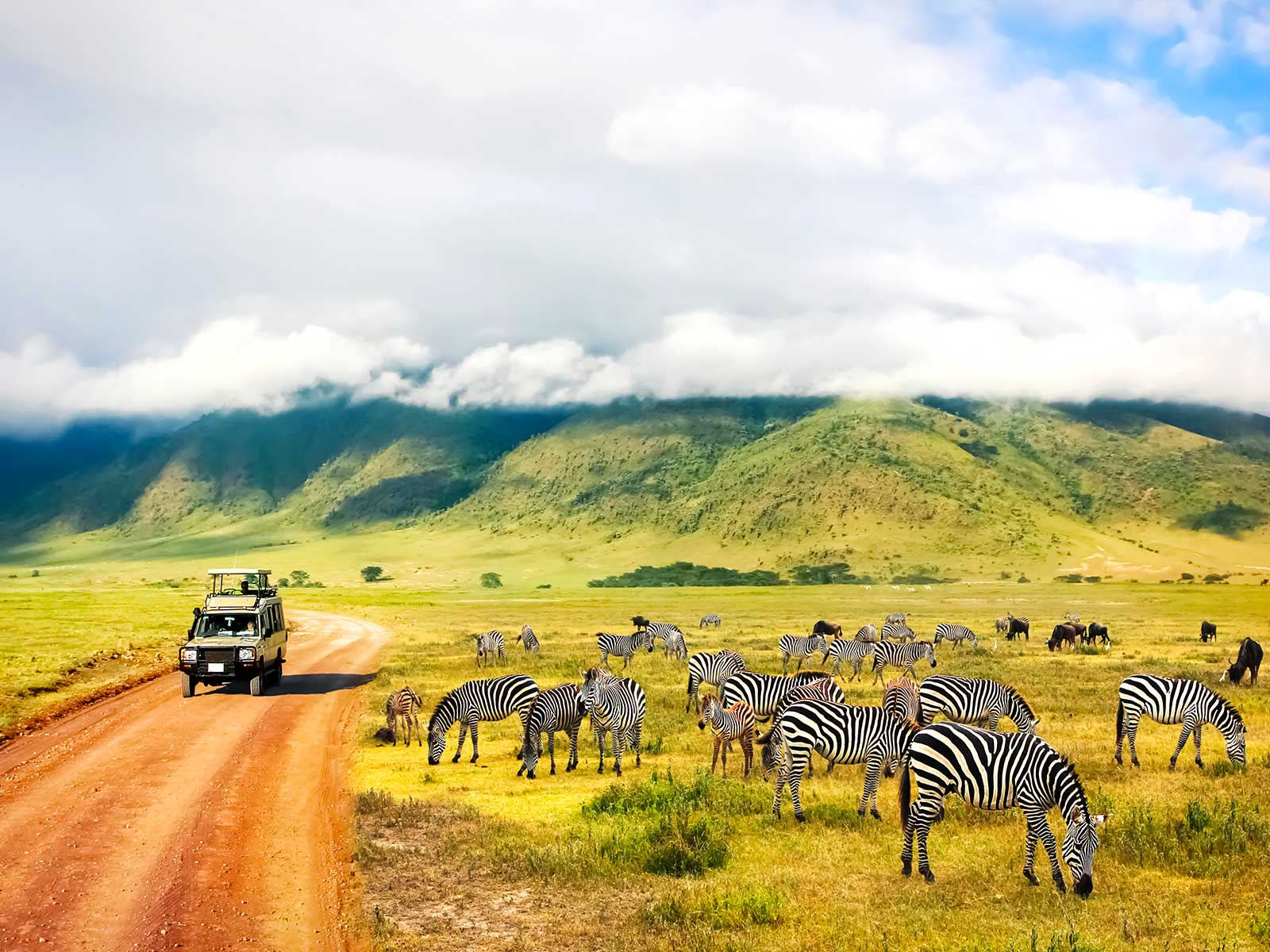
The Great Migration in Tanzania is one of the world's most breathtaking natural spectacles, an annual odyssey involving millions of wildebeest, zebras, and gazelles across the vast plains. Witnessing this incredible journey is a highlight for any wildlife enthusiast, offering unparalleled drama and raw beauty.
This comprehensive guide will help you understand the migration's intricate dance, revealing the best times and locations to experience its various phases within Tanzania's iconic landscapes.
Understanding the Great Migration
At its heart, the Great Migration is a relentless pursuit of fresh grazing and water, driven by the seasonal rains. Approximately 1.5 million wildebeest, hundreds of thousands of zebras, and various antelope species participate in this continuous, circular journey. Following them are opportunistic predators – lions, leopards, cheetahs, and hyenas – creating a constant cycle of life and death on the plains.
The entire spectacle unfolds primarily within Serengeti National Park and the Ngorongoro Conservation Area, occasionally spilling into Kenya's Maasai Mara before returning. While often romanticized as a single event, it's a dynamic, year-round movement, with different phases offering unique viewing opportunities.
Did you know?Zebras often accompany wildebeest during the migration. It's believed their different grazing habits (zebras eat the taller, coarser grass, while wildebeest prefer the shorter, greener shoots) allow them to coexist without competing for food, and their varied alarm calls provide better protection against predators.
The Annual Cycle: A Month-by-Month Guide
Pinpointing the exact location of the migration at any given time can be challenging due to the unpredictable nature of rainfall. However, there are general patterns that safari operators and guides use to track the herds.
December - March: Calving Season in the Southern Serengeti & Ndutu
This period marks the start of the year's cycle, often considered one of the most exciting times to visit. The vast herds congregate on the rich, short-grass plains of the southern Serengeti National Park and the Ngorongoro Conservation Area, particularly around the Ndutu region.
- What to Expect:Thousands of wildebeest calves are born daily, creating an incredible spectacle of new life. This abundance of vulnerable young attracts a high concentration of predators, making for dramatic hunting scenes.
- Best Location:Ndutu Plains, easily accessible from the Ngorongoro Conservation Area and southern Serengeti National Park.
- Highlights:Calving, intense predator-prey interactions.
April - May: The Western Movement
As the southern plains begin to dry out, the herds start their slow, deliberate move westwards. This transition period often coincides with the "long rains," which can make game viewing challenging but also incredibly rewarding for those who brave the elements.
- What to Expect:The herds spread out, forming columns that can stretch for miles as they trek towards the Western Corridor of the Serengeti National Park.
- Best Location:Western Corridor of the Serengeti National Park, particularly around the Grumeti River.
- Highlights:Mass movement, initial river crossings (though not as dramatic as the Mara).
June - July: Grumeti River Crossings & Northern Push
By June, the migration is firmly established in the Western Corridor. This is when the first major river crossings of the year occur at the Grumeti River. While not as famous as the Mara River crossings, they are equally thrilling.
- What to Expect:Wildebeest face crocodiles as they cross the Grumeti River. The herds then continue their push northwards, fanning out across the vast plains of the northern Serengeti National Park.
- Best Location:Western Corridor and then the northern reaches of Serengeti National Park.
- Highlights:Grumeti River crossings, large herds gathering.
August - October: Mara River Crossings in the Northern Serengeti
This is arguably the most famous and sought-after period of the migration, characterized by the dramatic Mara River crossings. The herds navigate the treacherous waters, battling strong currents and lurking crocodiles, often in a chaotic, adrenaline-fueled spectacle.
- What to Expect:Repeated crossings of the Mara River as the herds move between Tanzania's northern Serengeti National Park and Kenya's Maasai Mara. Viewing these crossings requires patience and luck, as they can happen at any time.
- Best Location:Northern Serengeti National Park, specifically along the Mara River.
- Highlights:Iconic Mara River crossings, intense predator action.
November - December: The Return South
With the short rains beginning in the south, the herds start their long journey back towards the southern Serengeti National Park and the Ndutu plains, completing their annual circuit.
- What to Expect:Dispersed herds moving south, sometimes through the eastern Serengeti National Park. The landscape begins to green up, and the cycle prepares to repeat itself with the impending calving season.
- Best Location:Eastern Serengeti National Park and gradually the southern plains towards the Ngorongoro Conservation Area border.
- Highlights:Less crowded, excellent general game viewing as animals settle into new grazing areas.
Planning Your Migration Safari
Successfully witnessing the Great Migration requires careful planning. Here are some key considerations:
When to Book
Migration safaris, especially during peak seasons like calving (Feb-March) and Mara River crossings (July-Sept), book up quickly. It's advisable to book at least 6-12 months in advance, particularly for mobile camps that reposition themselves to follow the herds.
Choosing Your Accommodation
There are generally two types of accommodation for migration safaris:
- Fixed Lodges/Camps:These offer comfort and amenities but require daily drives to reach the herds, which can be time-consuming depending on their exact location.
- Mobile Camps:These camps move several times a year to stay close to the migration. They offer an authentic safari experience and minimize travel time to the herds, but spaces are limited.
What to Pack
Light, neutral-colored clothing is best for safaris. Layers are essential as temperatures can vary significantly between morning, midday, and evening. Don't forget a wide-brimmed hat, sunglasses, high-factor sunscreen, insect repellent, and good quality binoculars.
Travel Tip:Be prepared for early morning starts. The best wildlife viewing often occurs at dawn and dusk when animals are most active. Your patience will often be rewarded with unforgettable sightings.
Beyond the Migration: Exploring Tanzania
While the Great Migration is an undeniable highlight, Tanzania offers a wealth of other incredible experiences that can be combined with your safari.
- Iconic Peaks:Challenge yourself with a trek up Mount Kilimanjaro, Africa's highest peak.
- Crater Wonders:Explore the Ngorongoro Conservation Area, home to the stunning Ngorongoro Crater, a natural wonder teeming with diverse wildlife year-round.
- Remote Safaris:For a more off-the-beaten-path experience, consider Ruaha National Park or Katavi National Park in the south, known for their wild beauty and large elephant populations.
- Coastal Escapes:Relax on the pristine beaches of Mafia Island or Pemba Island, perfect for diving, snorkeling, and unwinding.
- Cultural Immersion:Discover the vibrant city life of Dar Es Salaam, or delve into local traditions at the Cultural Heritage Centre or Village Museum.
- Natural Wonders:Visit the expansive Lake Victoria, or soak in the therapeutic waters of Kikuletwa Hotsprings.
The Great Migration is more than just a wildlife event; it's a profound experience that connects you to the raw, untamed heart of Africa. By understanding its rhythms and planning wisely, you can position yourself to witness one of nature's greatest spectacles in Tanzania.