
Tanzania Culture and Customs: A Traveler's Guide to Local Etiquette
Embarking on a journey to Tanzania promises breathtaking landscapes and unforgettable wildlife encounters. Yet, to truly enrich your experience, understanding and respecting the local culture and customs is paramount. This guide provides practical insights into Tanzanian etiquette, ensuring your interactions are respectful, memorable, and culturally sensitive.
Tanzania is a vibrant tapestry woven from over 120 ethnic groups, each contributing to a rich cultural heritage, with Swahili serving as the national language and unifying force. Despite this diversity, a common thread of warmth, hospitality, and respect runs through the nation. Adhering to local customs not only shows appreciation but also opens doors to more genuine connections with the incredibly welcoming Tanzanian people.
Essential Greetings and Social Interactions
Greetings are a cornerstone of Tanzanian social life, far more than a mere formality. Rushing a greeting can be perceived as rude, so always take your time.
The Art of Greeting
- Handshakes:A soft handshake is standard, often prolonged, especially when meeting someone for the first time or after a period. Use your right hand.
- Verbal Greetings:The most common Swahili greeting is“Jambo”(hello), though“Habari?”(how are you?) is more personal. For elders, the respectful greeting“Shikamoo”(I hold your feet) is used, to which the reply is“Marahaba”. It's a beautiful way to show reverence.
- Asking About Family:It's customary and polite to inquire about someone's family and well-being after initial greetings.
Tip:Always greet the most senior person in a group first. If you're unsure, a general "Habari zenu?" (How are you all?) works well.
Respect for Elders
Elders hold a position of high respect in Tanzanian society. Show deference by:
- Using respectful language and titles.
- Allowing them to speak first or be served first.
- Offering a slight bow or averting direct eye contact as a sign of respect, especially in rural settings.
Dress Code and Appearance
Modesty is key across Tanzania, particularly in religious sites and conservative areas. While safari camps and major tourist hubs might be more relaxed, it’s always better to err on the side of caution.
General Guidelines
- Women:Should wear clothing that covers shoulders and knees. Loose-fitting trousers, skirts, or dresses are appropriate. Avoid overly revealing tops. This is especially important when visiting towns and villages, or places like Dar Es Salaam,Mafia Island, or Pemba Island.
- Men:Long trousers and shirts are generally preferred over shorts and tank tops, especially in urban or rural settings.
- Swimming:Modest swimwear is acceptable at hotel pools or designated beach areas. Topless sunbathing is not permitted anywhere.
Fun Fact:TheKanga, a colorful printed fabric with Swahili proverbs, is a popular and versatile garment worn by Tanzanian women, often draped over clothing for modesty or cultural expression.
Dining Etiquette
Sharing meals is a communal experience in Tanzania, often reflecting the country's generous spirit.
- Eating with Hands:In many local eateries and homes, food is eaten with the right hand. If you're offered a communal dish, use your right hand to take food from the portion closest to you.
- Washing Hands:Before and after meals, water and a basin will often be offered for hand washing.
- Accepting Food:It’s polite to accept food when offered, even if you only take a small amount. Refusing outright can be seen as impolite.
Photography and Privacy
Tanzanians are generally friendly, but it's crucial to be respectful when taking photos.
- Always Ask Permission:Before photographing people, especially children, always ask for their permission first. A simple "Naomba kupiga picha?" (May I take a photo?) is appreciated.
- Avoid Candid Shots:Unless you have explicit permission, refrain from taking candid photos of people without their knowledge.
- Sensitive Areas:Be mindful of government buildings, military installations, or certain religious sites where photography may be restricted or prohibited.
The Pace of Life: "Pole Pole"
The Swahili phrase "pole pole" (pronounced poh-lay poh-lay) means "slowly, slowly," and it encapsulates a fundamental aspect of Tanzanian life. This isn't just about speed; it's about patience, taking time for interactions, and not rushing.
- Be Patient:Service might be slower than you're accustomed to, public transport might run on its own schedule, and negotiations can take time. Embrace it.
- Relax:Adopt the "pole pole" philosophy to reduce stress and better appreciate your surroundings, whether you're trekking up Mount Kilimanjaro or exploring a local market.
Tipping and Bargaining
While not strictly mandatory in all situations, tipping is a customary practice in the tourism industry and a way to show appreciation for good service.
- Tipping:Guides, drivers, porters (especially on climbs like Mount Kilimanjaro), and hotel staff often rely on tips as part of their income. Your safari operator or hotel can provide guidelines.
- Bargaining:At local markets (e.g., for souvenirs at the Cultural Heritage Centre or a local market in Dar Es Salaam), bargaining is expected and part of the experience. Do so respectfully and with a smile. For established shops and supermarkets, prices are usually fixed.
Language Basics: Swahili
While English is widely spoken in tourist areas, learning a few Swahili phrases will greatly enhance your interactions and show respect for the local culture.
- Jambo / Habari:Hello / How are you?
- Asante sana:Thank you very much
- Karibu:Welcome (also used as "you're welcome")
- Ndiyo / Hapana:Yes / No
- Samahani:Excuse me / Sorry
- Pole:Sorry (often used to express sympathy, e.g., if someone has a minor accident)
Religious Sensitivity
Tanzania has significant Christian and Muslim populations, with indigenous beliefs also present. Respect for all faiths is paramount.
- Coastal Regions:Particularly along the coast and on islands like Zanzibar,Pemba Island, and Mafia Island, Islam is prevalent. Dress modestly, especially when visiting mosques or religious sites. During Ramadan, be mindful of those fasting.
- Churches/Mosques:If visiting, remove your shoes and ensure shoulders and knees are covered. Women may need to cover their heads in mosques.
Safari Etiquette
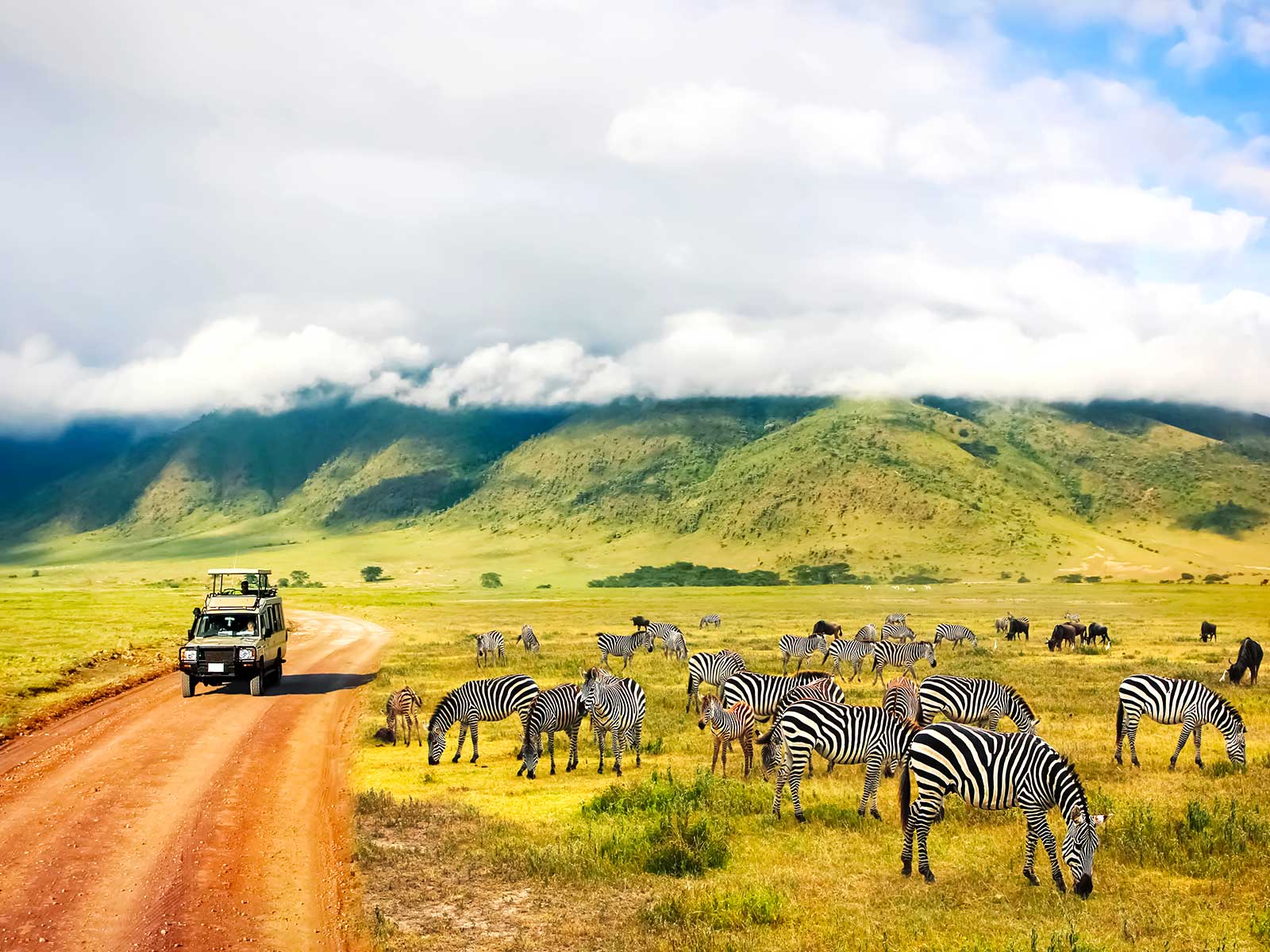
While on safari in places like Serengeti National Park,Ngorongoro Conservation Area,Ruaha National Park, or Katavi National Park, your primary interaction is with nature and your guide, but certain protocols apply:
- Listen to Your Guide:They are experts in wildlife behavior and local regulations. Their instructions are for your safety and the animals' well-being.
- Stay in the Vehicle:Unless in designated areas, do not exit your safari vehicle.
- Minimize Noise:Speak softly to avoid disturbing wildlife or other visitors.
- No Littering:Take all your trash with you.
- Respect Wildlife:Maintain a safe distance and do not feed animals.
Interacting with Children
Tanzanian children are often curious and friendly. While it's tempting to give gifts, direct handouts can create a begging culture.
- Better Alternatives:If you wish to help, consider donating to local schools or community projects, or purchasing items from local artisans (which supports their families).
- Engage Respectfully:A friendly wave or "Shikamoo" (to younger children as well) is a lovely way to connect.
Conclusion
Tanzania offers an incredible journey, not just through its landscapes but into the heart of a vibrant culture. By embracing the "pole pole" philosophy, showing respect through greetings and modest dress, and being open to learning, you'll find that the warmth and hospitality of the Tanzanian people are among the country's greatest treasures. Your efforts to understand and honor local customs will be deeply appreciated, transforming your trip into a truly enriching and unforgettable experience.