
Serengeti vs. Ngorongoro Crater: Choosing Your Ultimate Tanzania Safari
Deciding between the iconic Serengeti National Park and the breathtaking Ngorongoro Crater for your Tanzanian safari can be a delightful dilemma. Both offer unparalleled wildlife viewing, but they present vastly different experiences. This guide will help you understand their unique characteristics to choose the perfect adventure for you.Tanzania, a jewel of East Africa, beckons with its incredible natural beauty and abundant wildlife. While many dream of witnessing the Great Migration, the country offers so much more, from the peaks of Mount Kilimanjaro to the pristine beaches of Mafia Island. At the heart of its safari circuit lie two of the world's most renowned wildlife destinations: the sprawling plains of the Serengeti and the enclosed marvel of the Ngorongoro Crater.
The Vast Plains of the Serengeti National Park
The name "Serengeti" comes from the Maasai wordSiringit, meaning "the land that moves on forever," a fitting description for its immense, endless plains. Covering approximately 14,750 square kilometers, the Serengeti National Park is Tanzania's oldest and most famous park, globally recognized for the annual Great Migration.
Wildlife Experience
The Serengeti offers a classic safari experience with vast open spaces. It's home to the "Big Five" (lion, leopard, elephant, rhino, buffalo), and boasts an incredible density of predators. The park is most famous for the Great Migration, where millions of wildebeest, zebras, and gazelles traverse the plains in search of fresh grazing. Witnessing this spectacle, especially river crossings, is a truly unforgettable experience.
Fun Fact:The Great Migration involves over 1.5 million wildebeest and hundreds of thousands of zebras and gazelles, making it the largest overland migration on Earth. It’s a continuous, year-round journey driven by rainfall and fresh grass.
Landscape and Size
The landscape of the Serengeti is incredibly diverse, ranging from open grasslands in the south, savannah with acacia trees in the center, hilly woodlands in the north, and extensive black clay plains in the west. Its sheer size means you can spend days exploring different areas, each offering unique wildlife viewing opportunities and scenery.
Best Time to Visit
While wildlife viewing is excellent year-round, the best time to visit the Serengeti largely depends on your interest in the Great Migration:
- December to March:Calving season in the southern Serengeti, offering incredible predator action.
- May to July:The herds move north and west, often involving dramatic river crossings.
- August to October:The herds are often found in the northern Serengeti and into Kenya's Maasai Mara.
- November:The herds begin their journey south again.
Safari Activities
Activities in the Serengeti primarily revolve around game drives. Hot air balloon safaris at dawn offer a spectacular bird's-eye view of the plains and wildlife, culminating in a champagne breakfast. Walking safaris are permitted in designated areas, often accompanied by armed rangers, providing a different perspective on the bush.
Accommodation Options
The Serengeti offers a wide range of accommodation, from luxurious tented camps that move with the migration to permanent lodges and more budget-friendly campsites. The vastness of the park means camps are generally spread out, offering a sense of seclusion and immersion in nature.
The Natural Amphitheatre of the Ngorongoro Crater
The Ngorongoro Crater is not a national park but a conservation area, unique in its approach to integrating wildlife conservation with human (Maasai) habitation. The crater itself is a collapsed volcanic caldera, forming a natural enclosure for an astounding concentration of animals.
Wildlife Experience
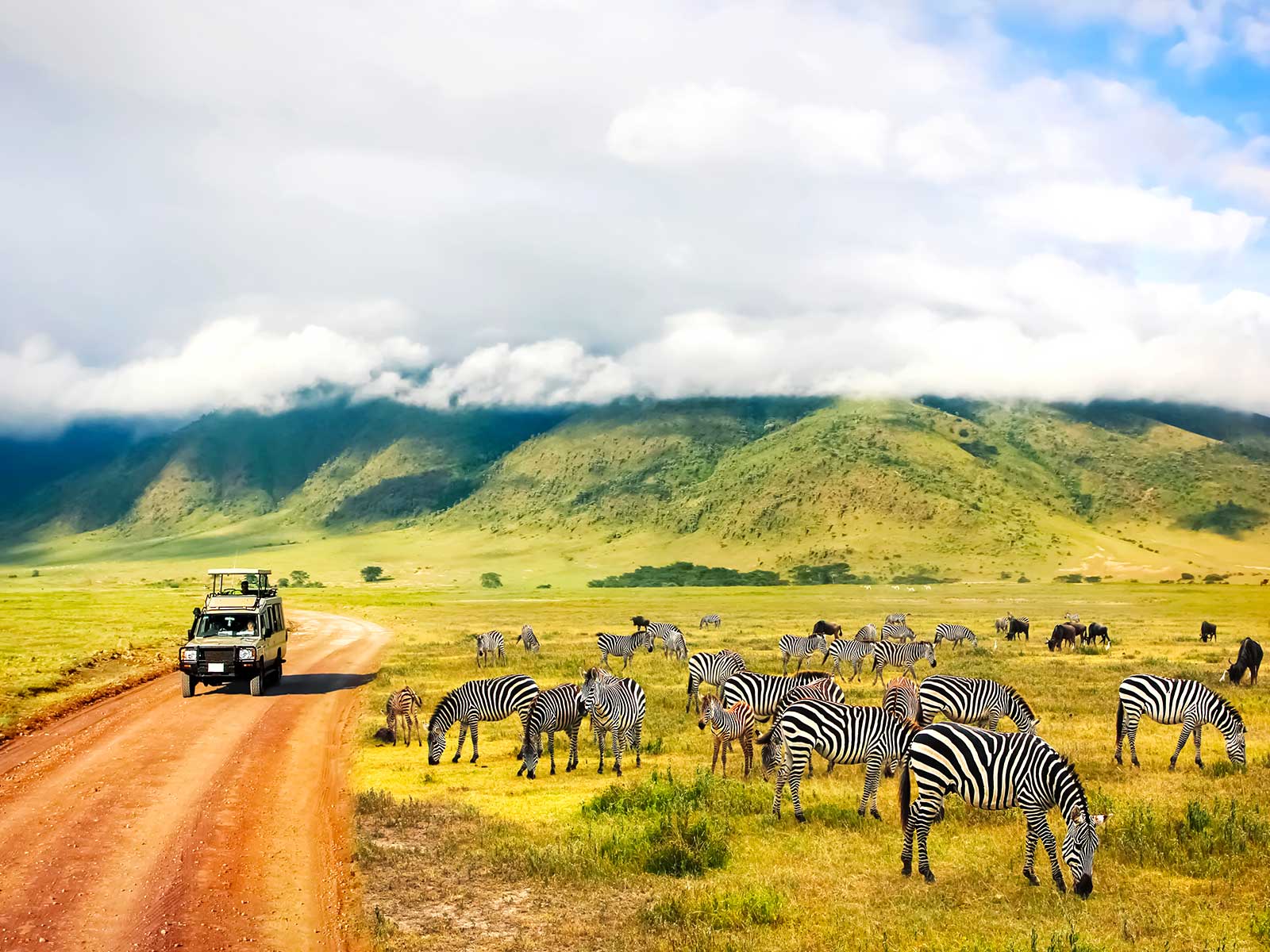
Often referred to as "Africa's Eden," the Ngorongoro Crater boasts the densest permanent population of wildlife in Africa. Within its 260 square kilometer floor, you can find virtually all the major safari animals, including the Big Five. It’s one of the most reliable places to spot the endangered black rhino.
Expert Tip:Due to its compact nature, a full day spent descending into the Ngorongoro Crater is often enough to experience its incredible wildlife. This makes it an excellent addition to a longer safari itinerary, or for those with limited time.
Landscape and Size
The crater floor is a diverse ecosystem, encompassing grasslands, swamps, a soda lake (Lake Magadi), and patches of acacia woodland. The crater walls rise dramatically, creating a stunning, contained environment. While smaller than the Serengeti, the sheer concentration of life within this natural bowl is awe-inspiring.
Best Time to Visit
The Ngorongoro Crater offers excellent wildlife viewing year-round. The animals largely remain within the crater due to the permanent water and grazing. During the dry season (June to October), wildlife concentrates around water sources, making sightings easier. The green season (November to May) brings lush landscapes and migratory birds.
Safari Activities
Safari activities within the crater are restricted to game drives on the crater floor. You are typically allowed to descend into the crater for a maximum of six hours at a time. Walking safaris are available on the crater rim, offering magnificent views, and cultural visits to Maasai villages are also possible within the wider Ngorongoro Conservation Area.
Accommodation Options
Most accommodations for the Ngorongoro Crater are situated on the crater rim, offering spectacular views into the caldera. These range from luxury lodges to more mid-range options. Staying on the rim provides convenient access to the crater floor and a unique perspective of this natural wonder.
Serengeti vs. Ngorongoro Crater: A Direct Comparison
To help you make an informed decision, let's compare these two incredible destinations directly:
Wildlife Density vs. Diversity
- Ngorongoro Crater:Offers extremely high wildlife density within a confined space, making it easier to spot many animals, including the Big Five, in a single day. Ideal for guaranteed sightings.
- Serengeti:While also rich in wildlife, sightings can be more spread out due to its vastness. It offers incredible diversity in ecosystems and species, and the unique spectacle of the Great Migration.
Landscape & Scenery
- Ngorongoro Crater:Unique, dramatic, and contained landscape within a caldera. Offers stunning panoramic views from the rim.
- Serengeti:Expansive, varied landscapes from endless plains to woodlands, offering a sense of vast wilderness.
Crowd Levels
- Ngorongoro Crater:Can feel more crowded on the crater floor, especially during peak season, due to the limited space and popularity.
- Serengeti:Despite its popularity, its immense size allows for a more private safari experience, especially if you venture into less-visited areas.
Safari Experience & Logistics
- Ngorongoro Crater:More structured due to time limits on the crater floor. Generally requires fewer days to fully experience.
- Serengeti:Offers more flexibility for longer safaris, allowing deeper exploration and tracking of the migration.
Best for Specific Interests
- Ngorongoro Crater:Excellent for first-time safari-goers, those with limited time, or anyone prioritizing guaranteed Big Five sightings and dramatic scenery. Also great for photographers due to close-up opportunities.
- Serengeti:Perfect for those seeking a classic, extensive safari, particularly interested in the Great Migration, predator action, or a sense of untouched wilderness. Ideal for longer trips.
Making Your Choice: Which Safari is Right for You?
Ultimately, the best choice depends on your priorities, time, and desired experience. Here are some considerations:
- Time of Year:If witnessing the Great Migration is your absolute priority, the Serengeti is your focus, and your timing is crucial.
- Safari Duration:For shorter safaris (1-2 days of game drives), the Ngorongoro Crater offers an intense and rewarding experience. For longer trips (3+ days), the Serengeti allows for deeper exploration.
- Wildlife Focus:If seeing the Big Five in a single day is a must, the Ngorongoro Crater offers higher odds. If you prefer tracking wildlife across vast landscapes and witnessing natural spectacles like the migration, choose the Serengeti.
- Budget:While we won't discuss specific costs, generally, the Ngorongoro Crater can be a more time-efficient option, potentially reducing overall safari days. However, luxury accommodations in both can be significant investments.
- Desired Atmosphere:The Ngorongoro offers a concentrated, dramatic experience. The Serengeti provides a vast, open, and wild adventure.
Many visitors choose to combine both. A typical northern circuit safari often includes a visit to the Ngorongoro Crater for its guaranteed wildlife, followed by several days in the Serengeti to experience its expansive plains and, if timed right, the Great Migration. This combination provides a comprehensive and diverse Tanzanian safari experience.
Beyond these two icons, remember Tanzania offers other incredible safari destinations like Ruaha National Park and Katavi National Park for those seeking a more remote and off-the-beaten-path adventure, or coastal escapes like Pemba Island for post-safari relaxation.
Whether you choose the unparalleled vastness of the Serengeti or the wildlife-rich haven of the Ngorongoro Crater, your Tanzanian safari promises to be an unforgettable journey into the heart of African wilderness. Both destinations stand as testaments to nature's grandeur, waiting to be explored.